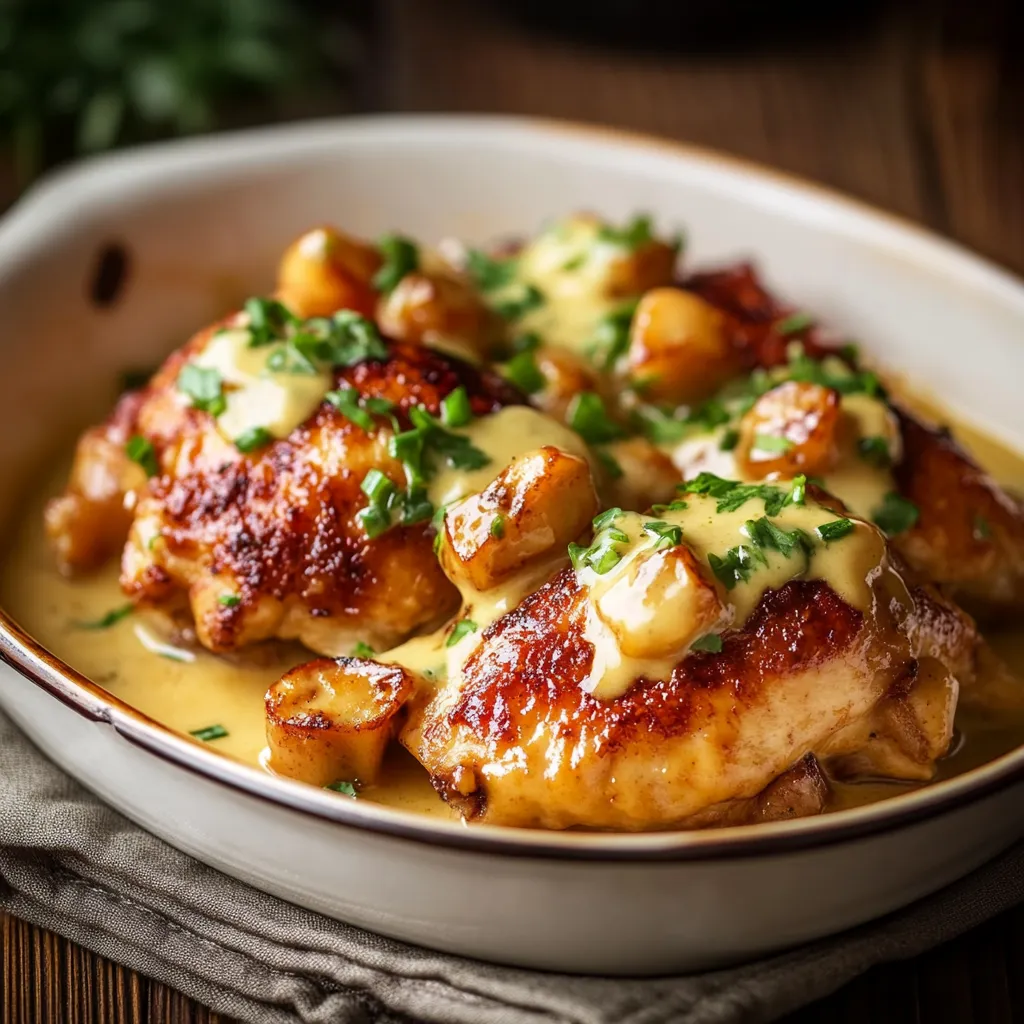
The Butter-Chicken Alchemy: Deconstructing the Deliciousness
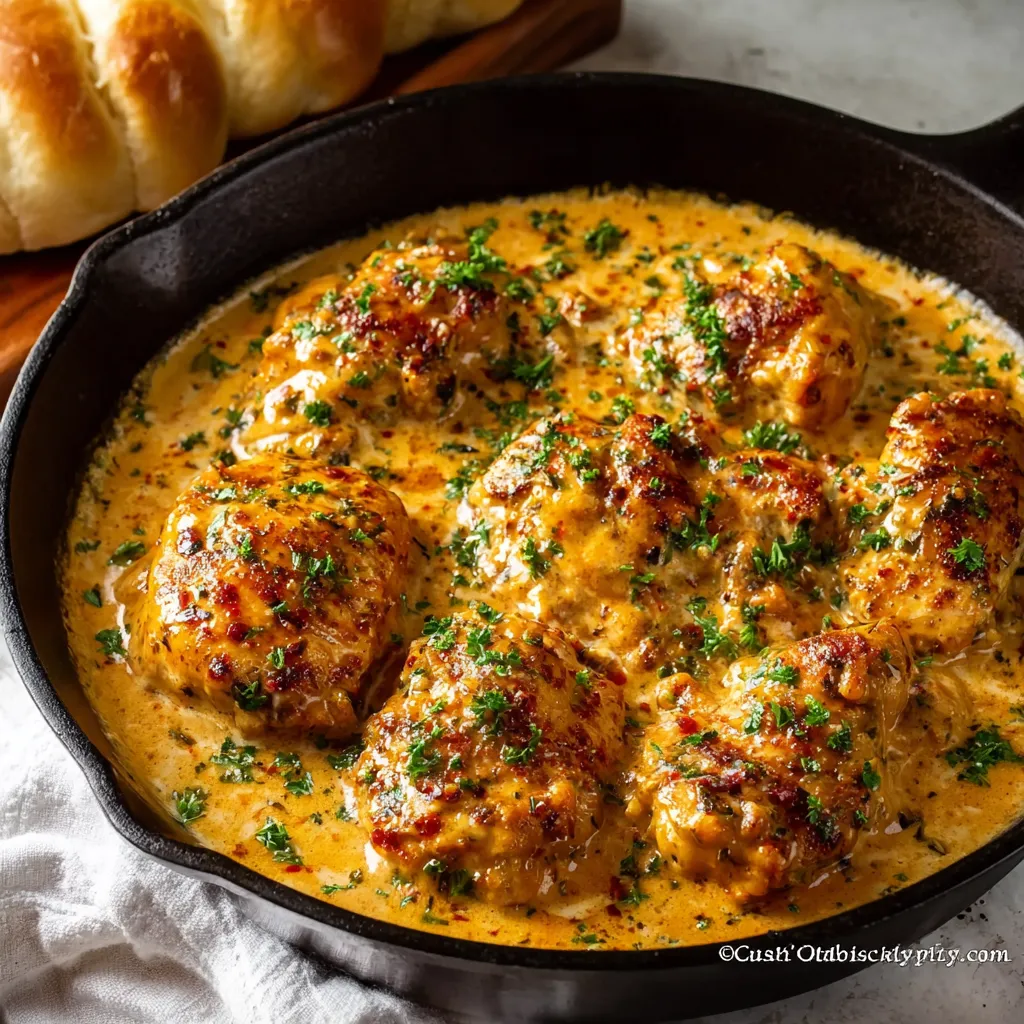 Before we even think about grabbing a skillet, let’s break down the science behind what makes this dish so addictive. At its core, the Texas Roadhouse Butter Chicken Skillet relies on two fundamental principles: Maillard reaction and emulsification. The Maillard reaction, that beautiful browning of the chicken, creates hundreds of flavor compounds. This occurs when amino acids and reducing sugars are heated. Think of it as the browning of toast – that’s the Maillard reaction at work. Emulsification, on the other hand, is the art of suspending fat (butter) in a water-based sauce (chicken broth, cream). A stable emulsion is crucial for that creamy, velvety texture we crave. This is where ingredients like cream cheese come into play – their lecithin content helps stabilize the emulsion, preventing the sauce from separating. Without a good emulsion, the sauce will be greasy and unappetizing, a far cry from the Roadhouse experience. Finally, don’t underestimate the power of spices. The right blend, bloomed in butter, infuses the entire dish with warmth and complexity, elevating it from simple chicken and sauce to something truly special.
The Ultimate Texas Roadhouse Butter Chicken Skillet Recipe
Here’s the culmination of my culinary investigation, the recipe that finally cracked the code to recreating that Texas Roadhouse Butter Chicken Skillet at home.Ingredients:
- For the Chicken:
- 1.5 lbs boneless, skinless chicken breasts, cut into 1-inch cubes
- 1 tbsp olive oil
- 1 tsp paprika
- 1/2 tsp garlic powder
- 1/2 tsp onion powder
- 1/4 tsp cayenne pepper (optional, for heat)
- Salt and pepper to taste
- For the Butter Sauce:
- 1/2 cup (1 stick) unsalted butter
- 4 cloves garlic, minced
- 1 small onion, finely chopped
- 1 tbsp tomato paste
- 1 tsp garam masala
- 1/2 tsp turmeric powder
- 1/4 tsp cumin
- 1/4 tsp red pepper flakes (optional)
- 1 cup chicken broth
- 1/2 cup heavy cream
- 4 oz cream cheese, softened
- 2 tbsp chopped fresh cilantro, for garnish
- For Serving:
- Cooked rice or naan bread
Instructions:
- Prepare the Chicken: In a bowl, toss the chicken cubes with olive oil, paprika, garlic powder, onion powder, cayenne pepper (if using), salt, and pepper. Ensure the chicken is evenly coated.
- Sear the Chicken: Heat a large skillet over medium-high heat. Add the seasoned chicken and sear on all sides until browned but not fully cooked. Remove the chicken from the skillet and set aside.
- Make the Butter Sauce: In the same skillet, melt the butter over medium heat. Add the minced garlic and chopped onion and sauté until softened and fragrant, about 3-5 minutes.
- Bloom the Spices: Stir in the tomato paste, garam masala, turmeric powder, cumin, and red pepper flakes (if using). Cook for 1 minute, stirring constantly, to bloom the spices and release their flavors.
- Create the Sauce: Pour in the chicken broth and bring to a simmer, scraping up any browned bits from the bottom of the skillet. Reduce the heat to low and stir in the heavy cream and softened cream cheese. Whisk until the cream cheese is fully melted and the sauce is smooth and creamy.
- Combine and Simmer: Return the seared chicken to the skillet. Stir to coat the chicken in the sauce. Simmer for 10-15 minutes, or until the chicken is cooked through and the sauce has thickened slightly.
- Garnish and Serve: Garnish with fresh cilantro before serving. Serve hot over cooked rice or with naan bread for dipping.
My Quest for Skillet Perfection: A Culinary Investigation
My journey to perfecting the Texas Roadhouse Butter Chicken Skillet was anything but smooth. My first few attempts were a disaster, resulting in either a greasy, separated sauce or dry, overcooked chicken. I knew I needed to approach this methodically, breaking down each component and understanding how they interacted.The Great Butter Debate
Like many of you, I initially thought the “butter” in “Butter Chicken” was simply a marketing ploy. I figured any fat would do. I was wrong. The quality of the butter drastically impacts the flavor. My early attempts with margarine were, frankly, offensive. Real butter, with its complex dairy notes, is non-negotiable. I experimented with salted versus unsalted butter and ultimately preferred unsalted, as it allowed me to control the overall saltiness of the dish.The Chicken Conundrum
The chicken itself presented another challenge. I initially tried cooking the chicken directly in the sauce, but it ended up either undercooked or overcooked and rubbery. The solution? Searing the chicken first. This not only added flavor through the Maillard reaction but also ensured the chicken retained its moisture while simmering in the sauce. I found that cutting the chicken into 1-inch cubes maximized surface area for browning and ensured even cooking. I experimented with different cuts of chicken and found chicken breasts to be the best option, though chicken thighs would also work well. It’s all a matter of preference, really! If you like your Chicken with a Cowboy flare, try Cowboy Butter Chicken Bites.The Cream Cheese Revelation
Then, I had an “Aha!” moment regarding the cream cheese. I initially omitted it, thinking it was just a shortcut. The resulting sauce lacked the rich, velvety texture I was aiming for. The cream cheese not only adds flavor but also acts as a stabilizer, preventing the sauce from separating. The tanginess of the cream cheese also balances the richness of the butter and cream, creating a more complex and nuanced flavor profile. Other similar recipes that use cream cheese are Baked Cream Cheese Chicken and Cheesy Chicken Crescent Bake.Spice is Nice (But Accuracy is Key)
Spice blends are crucial for recreating authentic flavors. Garam masala is a must, providing a warm, aromatic base. I also experimented with adding a touch of turmeric for color and cumin for earthiness. A pinch of red pepper flakes adds a welcome kick. I found that blooming the spices in butter before adding the liquid ingredients was essential for unlocking their full potential.The Foolproof Method: A Step-by-Step Guide to Skillet Success
After countless iterations, I’ve distilled the process into a foolproof method, ensuring consistent results every time. Follow these steps, and you’ll be enjoying restaurant-quality Texas Roadhouse Butter Chicken Skillet in the comfort of your own home.- Prep Like a Pro: Dice the chicken into uniform cubes and measure out all ingredients before starting. This will streamline the cooking process and prevent any last-minute scrambling.
- Sear for Success: Don’t skip the searing step! It’s crucial for adding flavor and preventing the chicken from drying out. Make sure the skillet is hot before adding the chicken, and don’t overcrowd the pan. Work in batches if necessary.
- Bloom the Spices: Take your time when blooming the spices in butter. This is where the magic happens. Allow the spices to sizzle and release their aromas before adding the liquid ingredients.
- Simmer, Don’t Boil: Once the sauce is assembled, simmer gently to allow the flavors to meld and the sauce to thicken. Avoid boiling, as this can cause the sauce to separate.
- Cream Cheese Confidence: Ensure the cream cheese is fully softened before adding it to the sauce. This will prevent lumps and ensure a smooth, creamy texture.
- Taste and Adjust: Taste the sauce throughout the cooking process and adjust the seasoning as needed. Don’t be afraid to add a pinch of salt, a squeeze of lemon juice, or a dash of hot sauce to tailor the flavor to your liking.
What are the two key principles that make the Texas Roadhouse Butter Chicken Skillet so delicious?
The dish relies on the Maillard reaction (browning of the chicken) and emulsification (suspending butter in the sauce).
Why is cream cheese important in the butter chicken sauce?
Cream cheese adds a rich, velvety texture and acts as a stabilizer to prevent the sauce from separating. Its tanginess also balances the richness.
Why is it important to sear the chicken before simmering it in the sauce?
Searing the chicken adds flavor through the Maillard reaction and helps the chicken retain its moisture while simmering, preventing it from becoming dry or rubbery.
What is meant by ‘blooming the spices’ and why is it important?
Blooming the spices means cooking them in butter before adding the liquid ingredients. This helps to release their full flavor potential.

Texas Roadhouse Butter Chicken Skillet
Recreate the creamy, buttery goodness of Texas Roadhouse Butter Chicken Skillet at home. This recipe focuses on achieving the perfect Maillard reaction for the chicken and a stable, velvety emulsion for the sauce, resulting in a restaurant-quality dish.
Ingredients
Equipment
Method
- Prepare the Chicken: In a bowl, toss the chicken cubes with olive oil, paprika, garlic powder, onion powder, cayenne pepper (if using), salt, and pepper. Ensure the chicken is evenly coated.
- Sear the Chicken: Heat a large skillet over medium-high heat. Add the seasoned chicken and sear on all sides until browned but not fully cooked. Remove the chicken from the skillet and set aside.
- Make the Butter Sauce: In the same skillet, melt the butter over medium heat. Add the minced garlic and chopped onion and sauté until softened and fragrant, about 3-5 minutes.
- Bloom the Spices: Stir in the tomato paste, garam masala, turmeric powder, cumin, and red pepper flakes (if using). Cook for 1 minute, stirring constantly, to bloom the spices and release their flavors.
- Create the Sauce: Pour in the chicken broth and bring to a simmer, scraping up any browned bits from the bottom of the skillet. Reduce the heat to low and stir in the heavy cream and softened cream cheese. Whisk until the cream cheese is fully melted and the sauce is smooth and creamy.
- Combine and Simmer: Return the seared chicken to the skillet. Stir to coat the chicken in the sauce. Simmer for 10-15 minutes, or until the chicken is cooked through and the sauce has thickened slightly.
- Garnish and Serve: Garnish with fresh cilantro before serving. Serve hot over cooked rice or with naan bread for dipping.
Notes
For best results, use real unsalted butter. Ensure the cream cheese is fully softened before adding it to the sauce to prevent lumps. Taste the sauce and adjust seasoning as needed. Searing the chicken is crucial for flavor and preventing dryness. Simmer gently to allow flavors to meld without separating the sauce. This dish can be stored in the refrigerator for up to 3 days. Reheat gently on the stovetop or in the microwave.