Deciphering the Delicious: Gravy, Glazes, and Grain
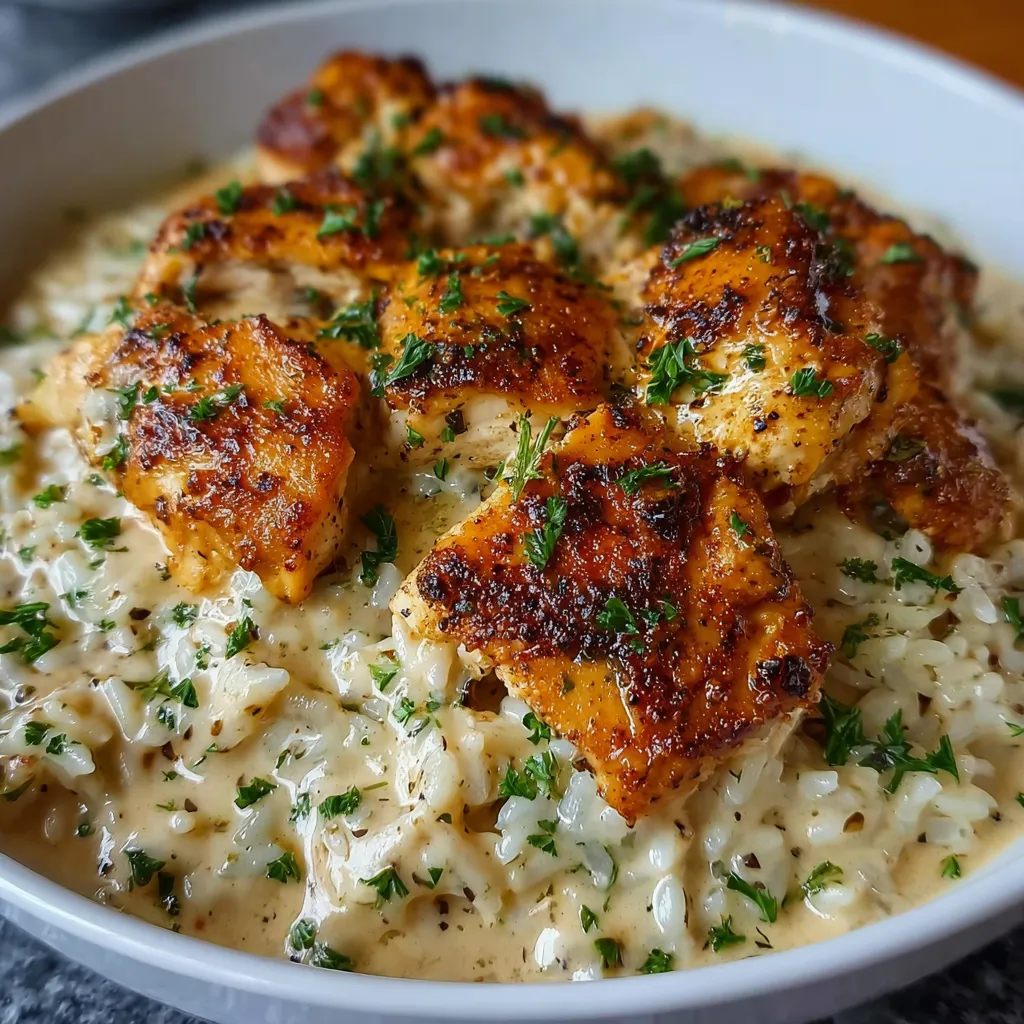 The secret to truly exceptional smothered chicken and rice lies in understanding the interplay between several key scientific principles. First, we need to address the Maillard reaction, which is the chemical reaction between amino acids and reducing sugars that gives browned food its distinctive flavor. This is crucial for developing depth in both the chicken and the gravy. A good sear on the chicken contributes significantly to the overall taste.
Next, the starch content of the rice plays a vital role. Long-grain rice, such as Basmati or Jasmine, tends to be fluffier and less sticky due to its lower amylopectin content, making it ideal for soaking up the gravy without becoming a gloppy mess. Shorter grain rice, like Arborio, will release more starch, resulting in a creamier texture, which might be desirable in a risotto but not here.
Finally, understanding the principles of emulsion is critical for achieving a smooth, velvety gravy. Emulsification is the process of combining two liquids that don’t normally mix, such as fat and water. A roux, made from flour and butter, acts as an emulsifier, allowing the chicken broth and rendered chicken fat to combine seamlessly, creating a stable and delicious gravy. The correct flour to fat ratio, and properly cooking out the raw flour taste is vital.
The secret to truly exceptional smothered chicken and rice lies in understanding the interplay between several key scientific principles. First, we need to address the Maillard reaction, which is the chemical reaction between amino acids and reducing sugars that gives browned food its distinctive flavor. This is crucial for developing depth in both the chicken and the gravy. A good sear on the chicken contributes significantly to the overall taste.
Next, the starch content of the rice plays a vital role. Long-grain rice, such as Basmati or Jasmine, tends to be fluffier and less sticky due to its lower amylopectin content, making it ideal for soaking up the gravy without becoming a gloppy mess. Shorter grain rice, like Arborio, will release more starch, resulting in a creamier texture, which might be desirable in a risotto but not here.
Finally, understanding the principles of emulsion is critical for achieving a smooth, velvety gravy. Emulsification is the process of combining two liquids that don’t normally mix, such as fat and water. A roux, made from flour and butter, acts as an emulsifier, allowing the chicken broth and rendered chicken fat to combine seamlessly, creating a stable and delicious gravy. The correct flour to fat ratio, and properly cooking out the raw flour taste is vital.
The Ultimate Smothered Chicken and Rice Recipe
Here’s my definitive recipe, honed through numerous experiments and taste tests, designed to deliver consistent, mouthwatering results.Ingredients:
- For the Chicken:
- 6 boneless, skinless chicken thighs (about 1.5 lbs)
- 1 tablespoon olive oil
- 1 teaspoon salt
- 1/2 teaspoon black pepper
- 1 teaspoon paprika
- 1/2 teaspoon garlic powder
- 1/4 teaspoon onion powder
- For the Gravy:
- 4 tablespoons butter
- 4 tablespoons all-purpose flour
- 3 cups chicken broth
- 1/2 cup milk or cream (optional, for extra richness)
- 1 medium onion, chopped
- 2 cloves garlic, minced
- 1 teaspoon dried thyme
- 1/2 teaspoon dried sage
- Salt and pepper to taste
- For the Rice:
- 1.5 cups long-grain rice (Basmati or Jasmine)
- 3 cups water or chicken broth
- 1 teaspoon salt
- 1 tablespoon butter or olive oil (optional)
Instructions:
- Prepare the Chicken: In a bowl, toss the chicken thighs with olive oil, salt, pepper, paprika, garlic powder, and onion powder.
- Sear the Chicken: Heat a large skillet over medium-high heat. Add the chicken thighs in a single layer (you may need to do this in batches) and sear for 3-4 minutes per side, until browned. Remove the chicken from the skillet and set aside.
- Sauté the Aromatics: Add the butter to the skillet and let it melt. Add the chopped onion and cook until softened, about 5 minutes. Add the minced garlic and cook for another minute until fragrant.
- Make the Roux: Sprinkle the flour over the onion and garlic mixture. Cook, stirring constantly, for 2-3 minutes, until the flour is lightly browned. This step is crucial for removing the raw flour taste and creating a smooth gravy.
- Create the Gravy: Gradually whisk in the chicken broth, making sure to break up any lumps. Bring the gravy to a simmer, then reduce the heat to low. Stir in the thyme and sage. If desired, stir in the milk or cream for extra richness. Season with salt and pepper to taste.
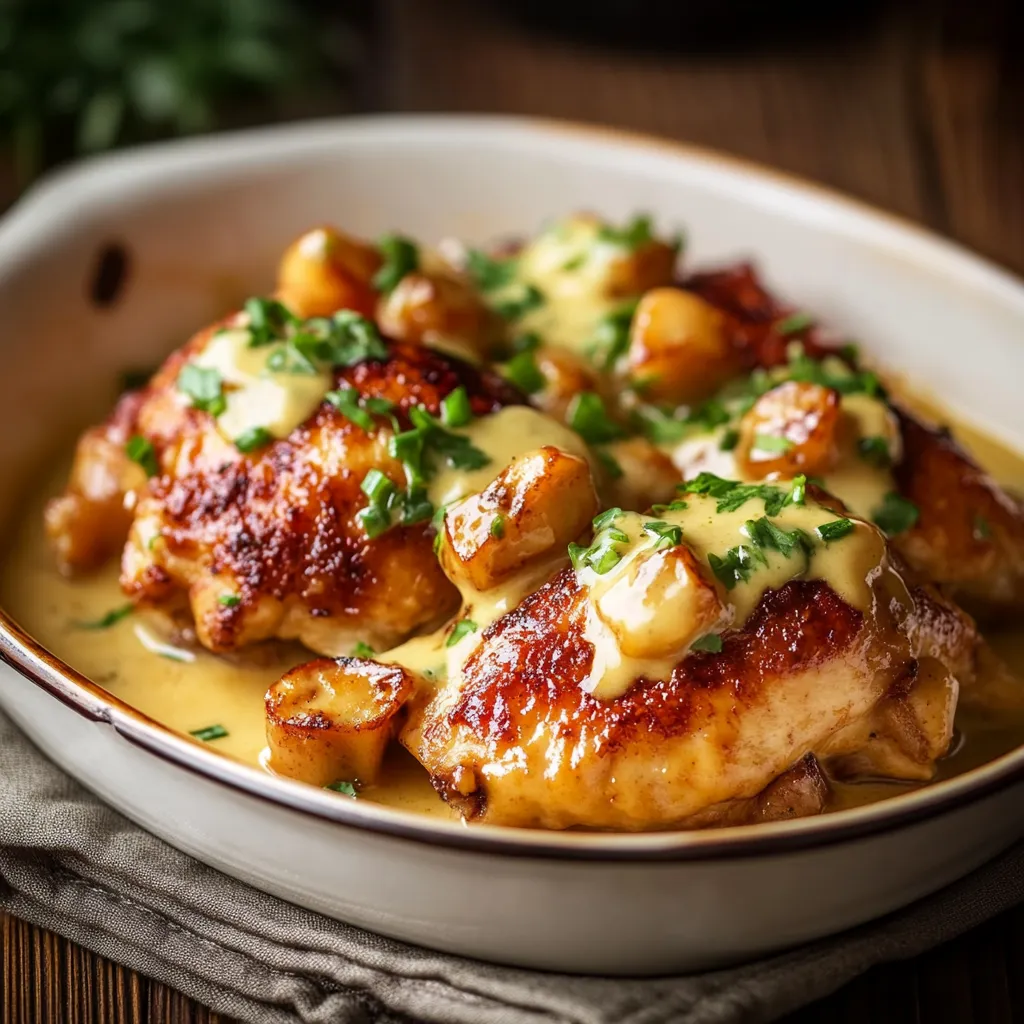
- Smother the Chicken: Return the seared chicken thighs to the skillet, nestling them into the gravy. Cover the skillet and simmer for 20-25 minutes, or until the chicken is cooked through and tender.
- Cook the Rice: While the chicken is simmering, prepare the rice. In a medium saucepan, combine the rice, water or chicken broth, and salt. Bring to a boil, then reduce the heat to low, cover, and simmer for 15-20 minutes, or until the rice is cooked through and the liquid is absorbed. Fluff with a fork.
- Serve: Serve the smothered chicken and gravy over the rice. Garnish with fresh parsley, if desired.
My Smothered Chicken Saga: A Culinary Deep Dive
My journey to mastering smothered chicken and rice was paved with a few pitfalls and plenty of delicious discoveries. Like many of you, I initially thought it was a simple one-pot meal, but my first few attempts were a disaster. The chicken was either dry or undercooked, the gravy was often bland and thin, and the rice was a sticky, mushy mess.The Dry Chicken Debacle
My first challenge was consistently achieving tender, juicy chicken. I started by using chicken breasts, assuming they were a healthier option. However, they consistently turned out dry and tough, even when cooked in the gravy. I tried varying the cooking time, searing them differently, and even brining them, but nothing seemed to work consistently.The Thigh Revelation
Then, I had an “Aha!” moment. I switched to using boneless, skinless chicken thighs. The higher fat content of the thighs made a world of difference. They remained moist and tender, even when simmered in the gravy for an extended period. This was a game-changer!Gravy Gone Wrong: A Bland Affair
Next, I tackled the gravy. Initially, my gravy lacked depth of flavor. It tasted thin and watery, despite using chicken broth. I experimented with different types of broth, adding bouillon cubes, and even using wine, but nothing seemed to give it that rich, savory flavor I was after.The Maillard Magic and Roux Redemption
The solution, I discovered, was twofold: searing the chicken properly to develop that Maillard reaction and browning the roux. I realized that a well-browned roux not only thickened the gravy but also added a nutty, complex flavor. The key was to cook the flour in the butter for a few minutes, stirring constantly, until it turned a light golden brown. It’s important not to burn it but to release the flavor. Also, searing the chicken before simmering helped to build a base of flavor in the pan that could then be incorporated into the gravy.Rice Ruins: A Starchy Struggle
Finally, I struggled with the rice. My initial attempts resulted in sticky, mushy rice that clumped together and didn’t absorb the gravy properly. I realized that the type of rice I was using was the problem.Long Grain Triumph: Fluffy Perfection
Switching to long-grain rice, specifically Basmati or Jasmine, made a significant difference. These varieties have a lower starch content and cook up light and fluffy, making them perfect for soaking up the gravy without becoming mushy. I also learned that rinsing the rice before cooking helps to remove excess starch and prevent it from sticking together. Don’t forget you can also make Cajun Honey Garlic Sausage & Rice.The Foolproof Smothered Chicken and Rice Technique
Here’s a summary of the perfected technique, ensuring consistent, delicious results every time:- Choose Chicken Thighs: Opt for boneless, skinless chicken thighs for maximum flavor and tenderness.
- Sear the Chicken: Sear the chicken thighs in a hot skillet before simmering to develop a rich, browned flavor.
- Brown the Roux: Cook the flour in butter until lightly browned to create a flavorful and stable gravy base.
- Use Long-Grain Rice: Select long-grain rice, such as Basmati or Jasmine, for a light and fluffy texture that absorbs the gravy without becoming mushy.
- Simmer, Don’t Boil: Simmer the chicken in the gravy over low heat to ensure it remains tender and doesn’t dry out.
Why does the recipe recommend using chicken thighs instead of chicken breasts?
The recipe recommends using boneless, skinless chicken thighs because their higher fat content keeps them moist and tender during the simmering process, unlike chicken breasts which tend to dry out.
What is the importance of browning the roux when making the gravy?
Browning the roux (butter and flour mixture) is crucial because it removes the raw flour taste and adds a nutty, complex flavor to the gravy, creating a richer and more satisfying final dish.
Why is long-grain rice preferred over other types of rice for this recipe?
Long-grain rice, such as Basmati or Jasmine, is preferred because it has a lower starch content, resulting in a light and fluffy texture that absorbs the gravy without becoming mushy.
What is the Maillard reaction and why is it important for this dish?
The Maillard reaction is a chemical reaction between amino acids and reducing sugars that occurs when food is browned. It’s important for this dish because searing the chicken allows the Maillard reaction to happen, which develops a deep, savory flavor in both the chicken and the gravy.
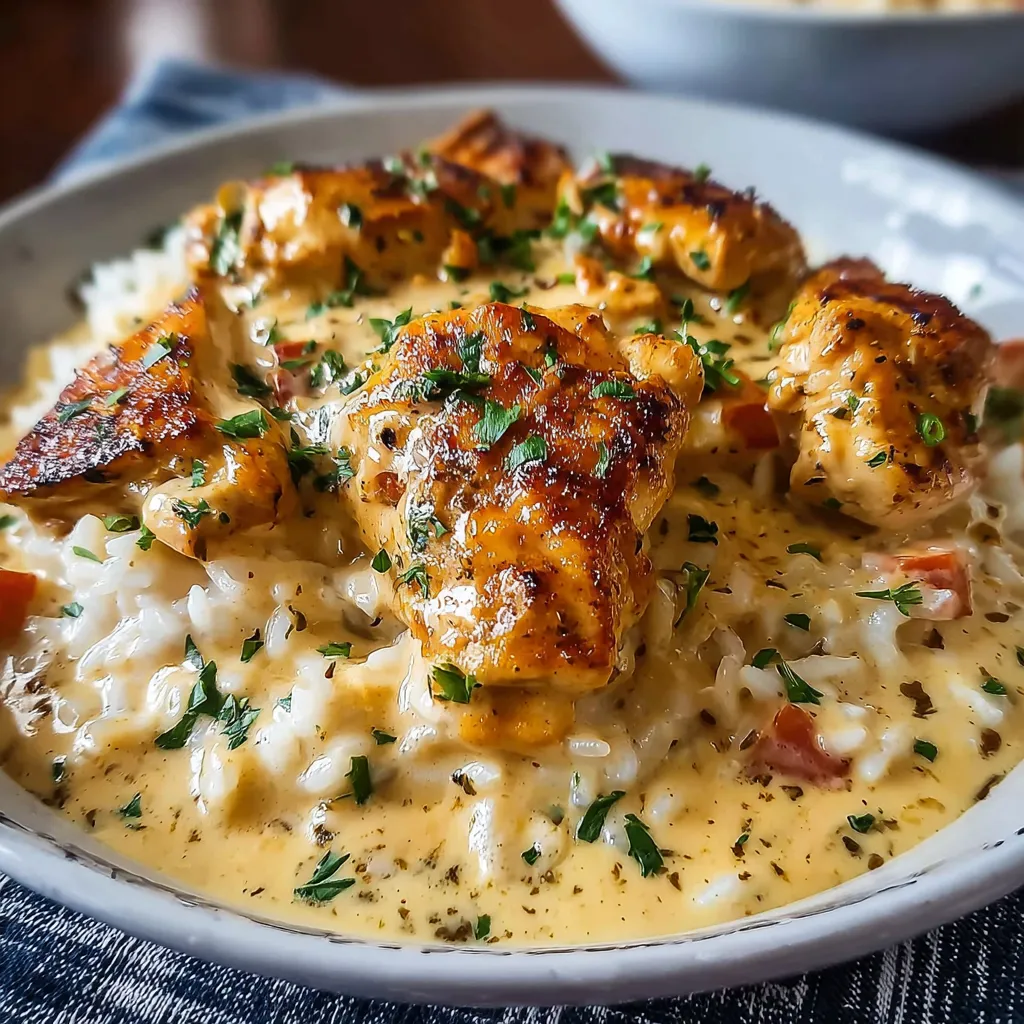
Best Smothered Chicken and Rice
Ingredients
Equipment
Method
- Prepare the Chicken: In a bowl, toss the chicken thighs with olive oil, salt, pepper, paprika, garlic powder, and onion powder.
- Sear the Chicken: Heat a large skillet over medium-high heat. Add the chicken thighs in a single layer (you may need to do this in batches) and sear for 3-4 minutes per side, until browned. Remove the chicken from the skillet and set aside.
- Sauté the Aromatics: Add the butter to the skillet and let it melt. Add the chopped onion and cook until softened, about 5 minutes. Add the minced garlic and cook for another minute until fragrant.
- Make the Roux: Sprinkle the flour over the onion and garlic mixture. Cook, stirring constantly, for 2-3 minutes, until the flour is lightly browned. This step is crucial for removing the raw flour taste and creating a smooth gravy.
- Create the Gravy: Gradually whisk in the chicken broth, making sure to break up any lumps. Bring the gravy to a simmer, then reduce the heat to low. Stir in the thyme and sage. If desired, stir in the milk or cream for extra richness. Season with salt and pepper to taste.
- Smother the Chicken: Return the seared chicken thighs to the skillet, nestling them into the gravy. Cover the skillet and simmer for 20-25 minutes, or until the chicken is cooked through and tender.
- Cook the Rice: While the chicken is simmering, prepare the rice. In a medium saucepan, combine the rice, water or chicken broth, and salt. Bring to a boil, then reduce the heat to low, cover, and simmer for 15-20 minutes, or until the rice is cooked through and the liquid is absorbed. Fluff with a fork.
- Serve: Serve the smothered chicken and gravy over the rice. Garnish with fresh parsley, if desired.