Have you ever wondered how to achieve that perfect balance of sweet, savory, and umami in a Korean Ground Beef Bowl, the kind that makes you want to ditch takeout forever?
The Umami Equation: Deconstructing Korean Flavors
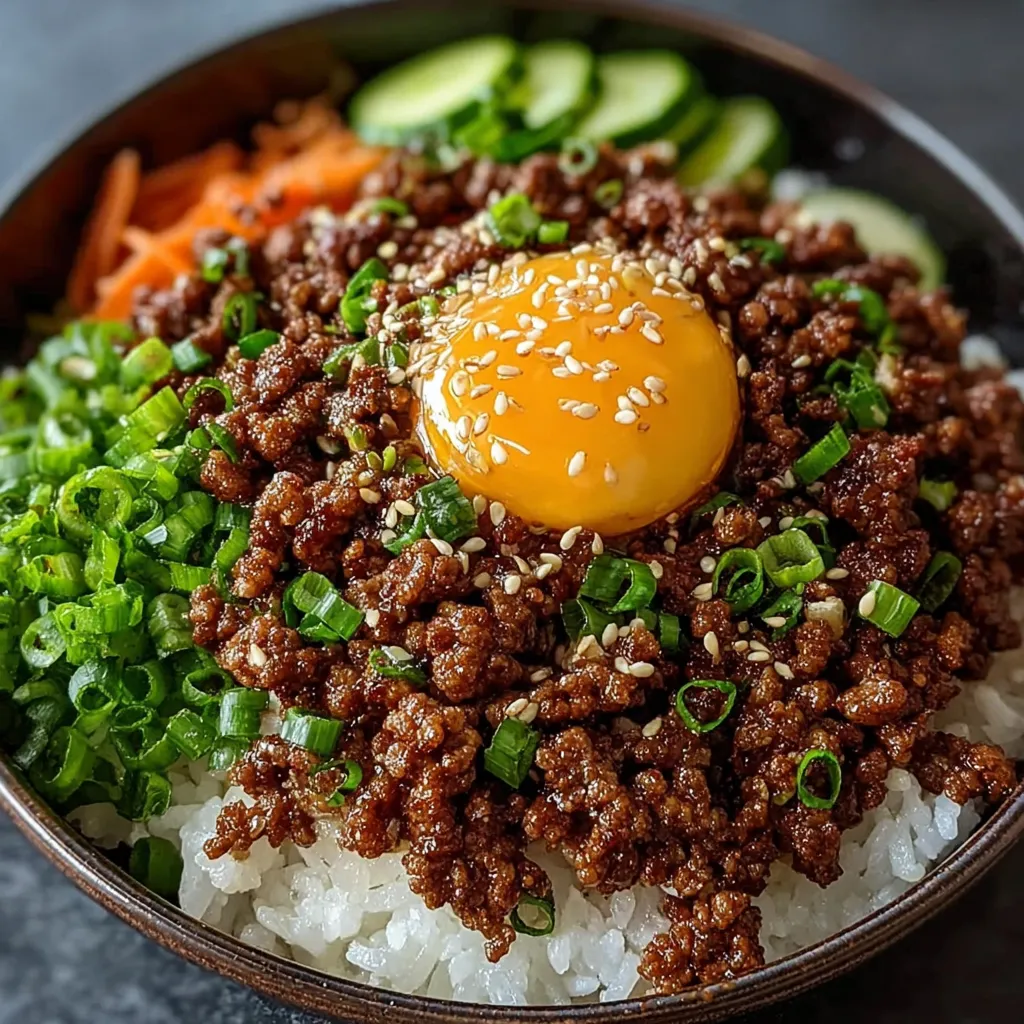
The magic behind a truly exceptional Korean Ground Beef Bowl isn’t just about tossing ingredients together; it’s about understanding the interplay of fundamental flavor components. At its core, we’re aiming for a harmony of sweet, savory, spicy, and umami. Soy sauce, a cornerstone of Korean cuisine, provides that essential umami depth thanks to glutamates developed during fermentation. Brown sugar brings the sweetness, balancing the saltiness of the soy. Garlic and ginger offer aromatic complexity and a subtle pungent kick. Gochujang (Korean chili paste) adds a fermented heat and even *more* umami. Sesame oil contributes a nutty richness and a distinctive fragrance. But, and this is crucial, it’s the ratio of these ingredients that determines the final result. Too much sugar, and it’s cloying; too little soy, and it lacks depth. Furthermore, the Maillard reaction, that browning process when the beef hits the hot pan, is absolutely critical for developing even deeper savory notes. We need high heat, and just the right amount of moisture, to trigger that transformative process.
The Quintessential Korean Ground Beef Bowl Recipe
Ingredients:
- 1 pound ground beef (80/20 or 85/15)
- 2 cloves garlic, minced
- 1 tablespoon ginger, minced
- 1/4 cup soy sauce
- 2 tablespoons brown sugar, packed
- 1 tablespoon gochujang (Korean chili paste), adjust to taste
- 1 tablespoon sesame oil
- 1/4 teaspoon red pepper flakes (optional)
- Cooked rice, for serving
- Toppings: sesame seeds, chopped green onions, kimchi, sriracha mayo (optional)
Instructions:
- Prepare the Beef: In a large skillet or wok, brown the ground beef over medium-high heat. Break it up with a spoon or spatula as it cooks. Drain off any excess grease.
- Add Aromatics: Add the minced garlic and ginger to the skillet and cook for about 1 minute, until fragrant. Be careful not to burn the garlic.
- Make the Sauce: In a small bowl, whisk together the soy sauce, brown sugar, gochujang, and sesame oil. If using, add the red pepper flakes.
- Combine and Simmer: Pour the sauce over the ground beef and stir well to combine. Bring to a simmer and cook for about 5-7 minutes, or until the sauce has thickened slightly and the beef is coated evenly.
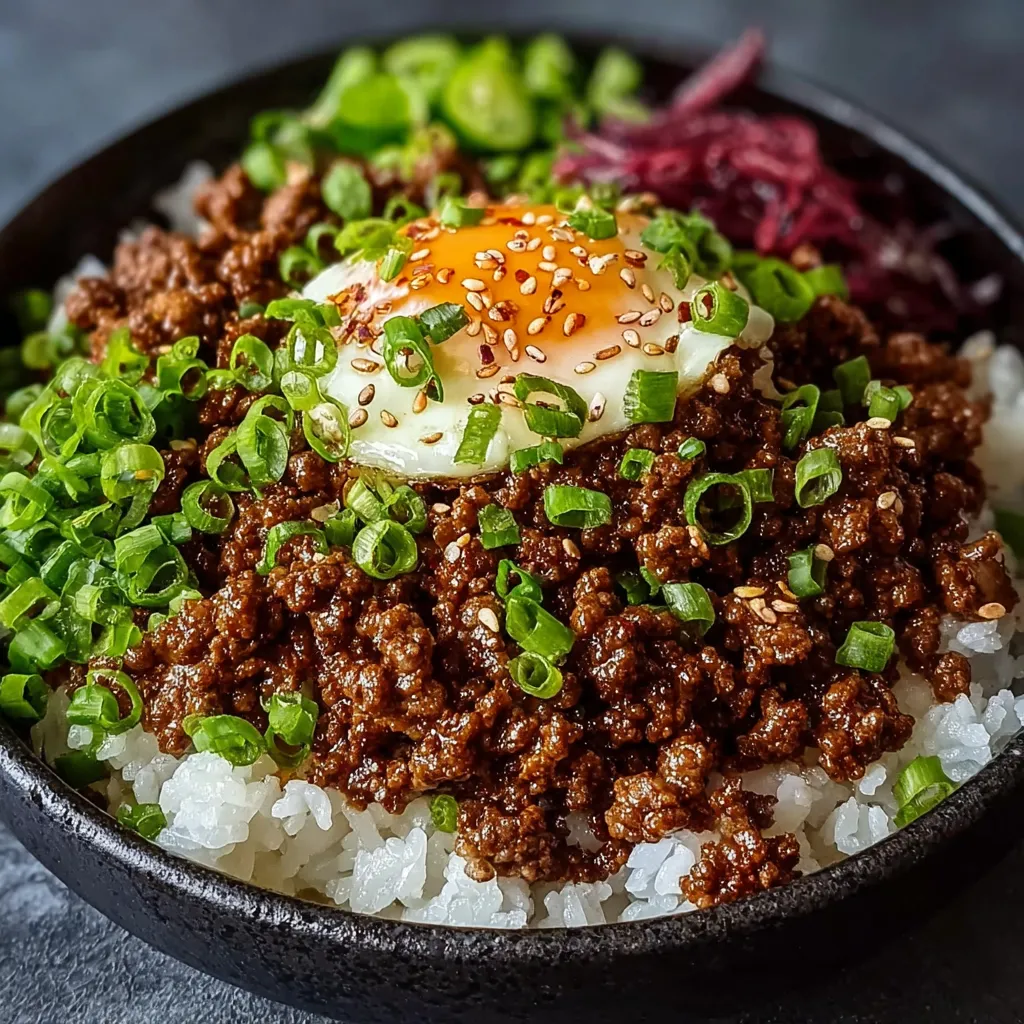
- Serve: Serve the Korean Ground Beef over cooked rice. Garnish with sesame seeds, chopped green onions, kimchi, and a drizzle of sriracha mayo, if desired.
My Korean Ground Beef Bowl Odyssey: A Culinary Investigation
The Soggy Beginnings: My First Few Fails
My first few attempts were a disaster. Seriously. Like many of you, I initially thought it was just a matter of throwing some ground beef in a pan with soy sauce and sugar. The result? A watery, overly sweet mess that tasted nothing like the delicious bowls I’d enjoyed at restaurants. The beef was grey and sad, the sauce was thin and insipid. I even considered giving up and just ordering Egg Roll In A Bowl instead.
The Heat is On: Unlocking the Maillard Reaction
Then, I had an “Aha!” moment. I realized I wasn’t getting enough browning on the beef. The Maillard reaction, that magical process where amino acids and reducing sugars react to create hundreds of flavor compounds, was barely happening. I cranked up the heat, made sure my pan was screaming hot before adding the beef, and used a wider pan to prevent overcrowding. This time, the beef browned beautifully, creating those coveted crispy edges and a significantly deeper flavor.
Sweetness vs. Savory: The Great Balancing Act
Another key challenge was the sweetness. The original recipe I was using called for a ridiculous amount of brown sugar. It completely overwhelmed the other flavors. I experimented with different ratios, gradually reducing the sugar until I found the sweet spot where it complemented the savory notes instead of dominating them. I also discovered that using a good quality soy sauce with a naturally rich umami flavor meant I could use even less sugar.
The Gochujang Revelation: Embracing the Funk
Finally, I realized the importance of good gochujang. Not all gochujang is created equal. Some are bland and one-dimensional. I splurged on a high-quality brand, and the difference was astounding. It added a depth of flavor and a subtle heat that was missing before. It also contributed to the overall umami profile, creating a more complex and satisfying dish. I even considered making a bowl of Pepper Steak Recipe, but I was already too invested in the Korean bowl!
The Final Touch: Toppings Galore!
Toppings! Don’t underestimate the power of toppings to transform this dish. Sesame seeds add nuttiness and texture. Chopped green onions provide a fresh, vibrant bite. Kimchi brings a tangy, fermented kick. And a drizzle of sriracha mayo adds a creamy, spicy finish. They’re not just garnish; they’re essential components of the overall experience. I sometimes even add a fried egg, similar to what I do with my Chinese Beef And Broccoli, for extra richness.
The Foolproof Method: Mastering the Bowl
So, after countless iterations and more than a few questionable batches, I’ve distilled the process down to a simple, foolproof method. Here’s how to make a Korean Ground Beef Bowl that will rival your favorite restaurant:
- High Heat is Key: Ensure your skillet or wok is ripping hot before adding the ground beef. This is essential for achieving proper browning and developing flavor.
- Don’t Overcrowd: Cook the beef in batches if necessary to avoid overcrowding the pan. Overcrowding lowers the temperature and prevents browning.
- Balance the Sweetness: Start with less brown sugar than you think you need, and adjust to taste. Remember, the soy sauce also contributes to the overall sweetness.
- Embrace the Gochujang: Use a good-quality gochujang for the best flavor. Experiment with different brands to find one you love.
- Simmer, Don’t Boil: Once you add the sauce, bring it to a simmer and cook until thickened. Boiling will make the sauce too thick and syrupy.
- Taste and Adjust: Taste the sauce before serving and adjust the seasonings as needed. Add more soy sauce for saltiness, gochujang for heat, or brown sugar for sweetness.
- Don’t Skimp on Toppings: Toppings add flavor, texture, and visual appeal. Get creative and experiment with different combinations. This is crucial if you’re used to making something like a Cilantro Lime Steak Bowls.
- Rice is Your Canvas: Choose a good quality rice. Fluffy, slightly sticky rice provides the perfect base for the flavorful beef. This is just as important as when making Salisbury Steak Recipe.
What is the key to achieving the right balance of flavors in Korean Ground Beef Bowls?
The key is understanding and balancing the fundamental flavor components: sweet, savory, spicy, and umami. This involves using the correct ratio of ingredients like soy sauce (for umami), brown sugar (for sweetness), garlic and ginger (for aromatics), and gochujang (for heat and umami).
Why is browning the ground beef so important?
Browning the ground beef, through the Maillard reaction, is crucial for developing deeper savory notes. High heat and preventing overcrowding in the pan are essential for achieving this.
What are some recommended toppings to enhance the Korean Ground Beef Bowl?
Recommended toppings include sesame seeds (for nuttiness and texture), chopped green onions (for a fresh bite), kimchi (for a tangy, fermented kick), and sriracha mayo (for a creamy, spicy finish). A fried egg can also be added for extra richness.
What role does Gochujang play in the recipe and are all brands the same?
Gochujang adds depth of flavor, a subtle heat, and contributes to the overall umami profile. Not all gochujang is the same; using a high-quality brand will make a significant difference in the final taste.
Easy Korean Ground Beef Bowl
Ingredients
Equipment
Method
- Prepare the Beef: In a large skillet or wok, brown the ground beef over medium-high heat. Break it up with a spoon or spatula as it cooks. Drain off any excess grease.
- Add Aromatics: Add the minced garlic and ginger to the skillet and cook for about 1 minute, until fragrant. Be careful not to burn the garlic.
- Make the Sauce: In a small bowl, whisk together the soy sauce, brown sugar, gochujang, and sesame oil. If using, add the red pepper flakes.
- Combine and Simmer: Pour the sauce over the ground beef and stir well to combine. Bring to a simmer and cook for about 5-7 minutes, or until the sauce has thickened slightly and the beef is coated evenly.
- Serve: Serve the Korean Ground Beef over cooked rice. Garnish with sesame seeds, chopped green onions, kimchi, and a drizzle of sriracha mayo, if desired.