Unlocking the Green Code: The Science Behind Chimichurri
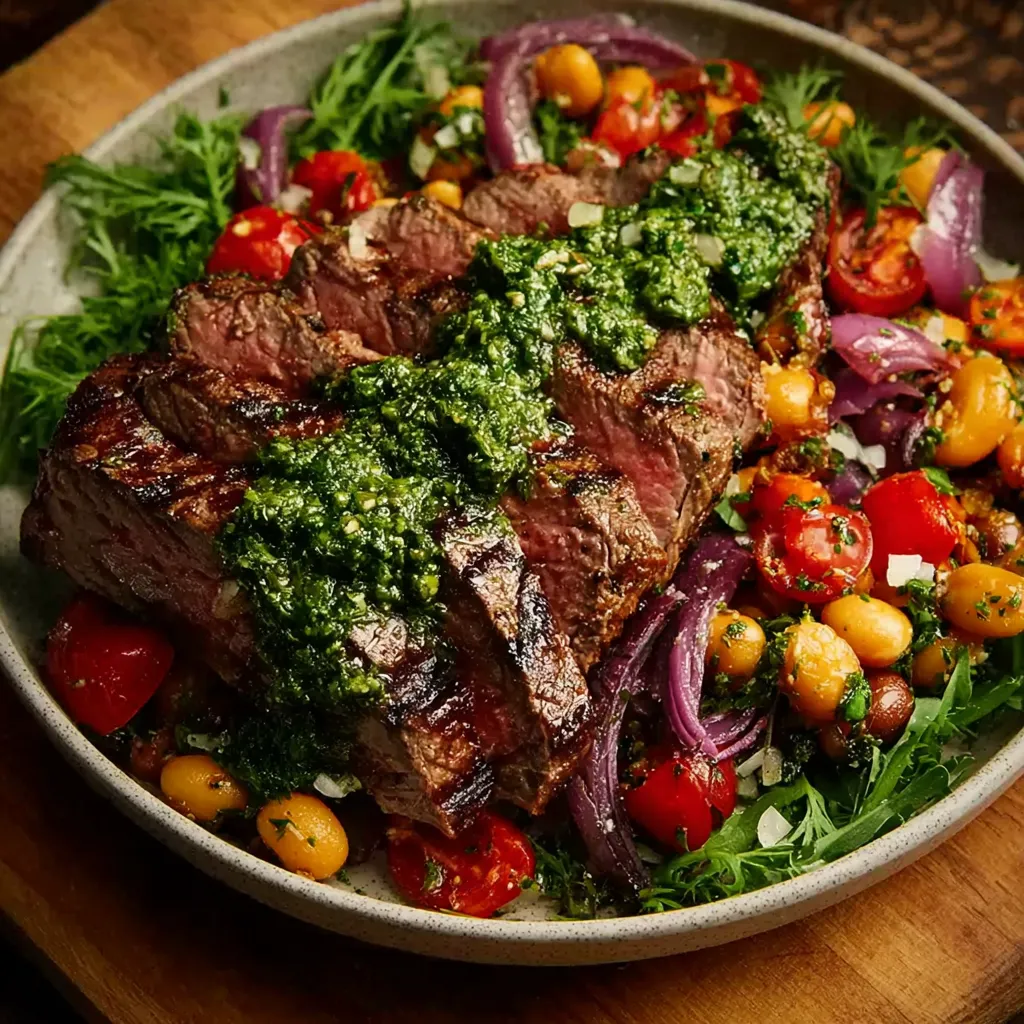 Chimichurri, at its heart, is an emulsified sauce. But unlike mayonnaise, which relies on egg yolks for stability, chimichurri leans on the finely chopped herbs and the emulsifying properties of extra virgin olive oil. The key components and their roles are as follows:
- Herbs (Parsley & Oregano): These provide the fresh, green backbone of the sauce. Parsley offers a clean, slightly peppery flavor, while oregano contributes a subtle earthy warmth. The *fineness* of the chop is crucial; too coarse, and the sauce will be chunky and won’t properly emulsify. Too fine, and you risk bruising the herbs, releasing bitter compounds.
- Acid (Red Wine Vinegar): Vinegar is not just about tang; it plays a vital role in cutting through the richness of the steak and balancing the herbaceousness of the herbs. The acidity also helps to tenderize the herbs slightly and release their aromatic oils.
- Aromatics (Garlic & Shallots): These pungent ingredients provide depth and complexity. Garlic, in particular, needs to be finely minced to avoid overpowering the other flavors. Shallots offer a milder, sweeter alternative to onions.
- Oil (Extra Virgin Olive Oil): The foundation of the sauce, extra virgin olive oil adds richness, body, and a subtle peppery note. Its emulsifying properties help bind the ingredients together. Choose a high-quality oil for the best flavor.
- Spice (Red Pepper Flakes): A touch of heat adds a welcome contrast to the cool, refreshing herbs. The amount can be adjusted to taste, but a little goes a long way.
- Salt & Pepper: Essential for seasoning and enhancing the flavors of all the other ingredients.
The Chimichurri Steak Symphony: The Recipe
Ingredients:
- For the Steak:
- 1.5-2 lb steak (Ribeye, New York Strip, or Filet Mignon), about 1.5 inches thick
- 2 tablespoons olive oil
- 1 teaspoon kosher salt
- 1/2 teaspoon black pepper
- For the Chimichurri:
- 1 cup finely chopped fresh parsley
- 1/4 cup finely chopped fresh oregano
- 4 cloves garlic, minced
- 1 small shallot, minced
- 1/4 cup red wine vinegar
- 1/2 cup extra virgin olive oil
- 1 teaspoon red pepper flakes (adjust to taste)
- 1 teaspoon kosher salt
- 1/2 teaspoon black pepper
Instructions:
- Prepare the Chimichurri: In a medium bowl, combine the parsley, oregano, garlic, shallot, red wine vinegar, red pepper flakes, salt, and pepper.
- Add the Oil: Gradually whisk in the olive oil until the sauce is emulsified. Taste and adjust seasoning as needed. The chimichurri can be made ahead of time and stored in the refrigerator for up to 3 days. In fact, letting it sit allows the flavors to meld.
- Prepare the Steak: Pat the steak dry with paper towels. This is crucial for achieving a good sear.
- Season the Steak: Rub the steak with olive oil and season generously with salt and pepper.
- Cook the Steak: Heat a cast-iron skillet over high heat until it is smoking hot. Place the steak in the skillet and sear for 3-4 minutes per side for medium-rare, or longer for desired doneness. Use a meat thermometer to ensure accurate cooking. For medium-rare, aim for an internal temperature of 130-135°F.
- Rest the Steak: Remove the steak from the skillet and let it rest for at least 10 minutes before slicing. This allows the juices to redistribute, resulting in a more tender and flavorful steak.
- Slice and Serve: Slice the steak against the grain and top with a generous dollop of chimichurri sauce. Serve immediately. This is a great dish paired with Cilantro Lime Steak Bowls.
Confessions of a Chimichurri Challenger: The Investigation
The Initial Fiascos: Herbaceous Havoc
My first few attempts were a disaster. I treated chimichurri like any other sauce, throwing ingredients together haphazardly. The result was a chunky, oily mess that tasted more like a raw garlic bomb than a vibrant, balanced sauce. I remember one attempt specifically, where I used dried oregano, thinking it would be a convenient shortcut. Big mistake! The dried oregano was overpowering and imparted a bitter, medicinal flavor. The experience was so awful, I almost gave up, thinking I’d just stick to my usual Pepper Steak Recipe.The Vinegar Vortex: Acidity Overload
Another recurring problem was the vinegar. I initially used too much, resulting in a sauce that was overwhelmingly acidic and masked the other flavors. I also experimented with different types of vinegar, including balsamic and apple cider vinegar, but none of them provided the clean, bright tang of red wine vinegar. It turns out that selecting quality ingredients is essential, and cheaping out on the vinegar only produces a cheap result.The “Aha!” Moment: The Herb Hack
Then, I had an “Aha!” moment. I realized that the key to a great chimichurri lies in the herbs. I started experimenting with different chopping techniques, and I discovered that finely chopping the herbs, rather than mincing them, released their flavor without bruising them. I also learned the importance of using fresh, high-quality herbs. Another crucial step was to dry the herbs completely after washing. Excess moisture dilutes the sauce and prevents it from emulsifying properly.The Olive Oil Oasis: Finding the Right Foundation
Like many of you, I initially thought any olive oil would do. But after a bit of research, I learned that the type of olive oil significantly impacts the flavor of the chimichurri. A robust, peppery extra virgin olive oil adds a depth of flavor that a milder olive oil simply can’t match. I also discovered that gradually whisking the oil into the other ingredients helps to create a stable emulsion.The Heat Wave: Taming the Chili Fire
Finally, I struggled with the spice level. I initially used too much red pepper flakes, resulting in a sauce that was too hot to handle. I learned that a little goes a long way, and it’s always better to start with a small amount and add more to taste. I also found that using high-quality red pepper flakes made a difference. Cheaper flakes often have a stale, bitter flavor.The Chimichurri Code Cracked: The Foolproof Technique
Here’s a foolproof method to create perfect chimichurri every time:- Gather the Freshest Ingredients: Use only fresh, high-quality herbs, garlic, shallots, red wine vinegar, and extra virgin olive oil.
- Finely Chop the Herbs: Finely chop the parsley and oregano, ensuring the pieces are small and uniform.
- Mince the Aromatics: Mince the garlic and shallots finely to prevent them from overpowering the other flavors.
- Combine the Ingredients: In a medium bowl, combine the herbs, garlic, shallots, red wine vinegar, red pepper flakes, salt, and pepper.
- Emulsify the Sauce: Gradually whisk in the olive oil until the sauce is emulsified. This creates a creamy, well-combined texture.
- Taste and Adjust: Taste the chimichurri and adjust the seasoning as needed. You may want to add more salt, pepper, red pepper flakes, or vinegar to achieve the perfect balance of flavors.
- Rest the Sauce: Allow the chimichurri to sit for at least 30 minutes before serving. This allows the flavors to meld and deepen. For an alternative meal, try this steak with the Chinese Beef And Broccoli. This resting period will also soften the herbs a little bit, making them easier to chew.
- Serve Generously: Spoon the chimichurri generously over grilled steak, chicken, or vegetables.
Why is it important to finely chop the herbs for chimichurri?
Finely chopping the herbs, rather than mincing them, releases their flavor without bruising them, preventing a bitter taste. The fineness of the chop also helps the sauce to emulsify properly.
What type of olive oil is recommended for chimichurri, and why?
A robust, peppery extra virgin olive oil is recommended because it adds a depth of flavor that a milder olive oil simply can’t match. It also helps create a stable emulsion when gradually whisked into the other ingredients.
How long should the steak rest after cooking, and why is resting important?
The steak should rest for at least 10 minutes after cooking. Resting allows the juices to redistribute throughout the steak, resulting in a more tender and flavorful final product.
Can chimichurri be made in advance?
Yes, chimichurri can be made ahead of time and stored in the refrigerator for up to 3 days. Letting it sit allows the flavors to meld and deepen.
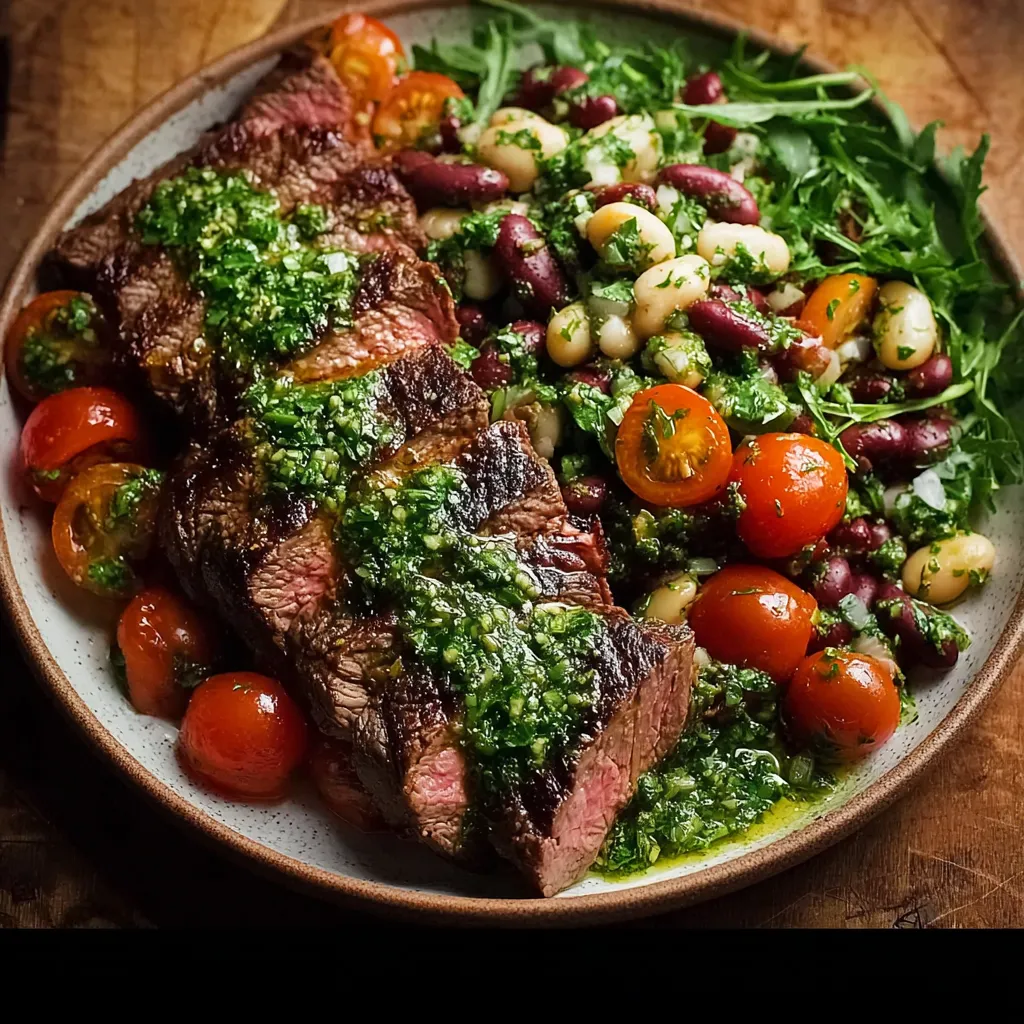
Best Steak Chimichurri Dinner
This recipe delivers a perfectly balanced steak chimichurri, combining vibrant herbaceousness, tangy acidity, and rich, savory beef. Mastering this dish involves understanding the science behind each component and crafting the sauce to complement the steak’s inherent flavors, resulting in a culinary masterpiece.
Ingredients
Equipment
Method
- In a medium bowl, combine the parsley, oregano, garlic, shallot, red wine vinegar, red pepper flakes, salt, and pepper.
- Gradually whisk in the olive oil until the sauce is emulsified. Taste and adjust seasoning as needed. The chimichurri can be made ahead of time and stored in the refrigerator for up to 3 days.
- Pat the steak dry with paper towels.
- Rub the steak with olive oil and season generously with salt and pepper.
- Heat a cast-iron skillet over high heat until it is smoking hot. Place the steak in the skillet and sear for 3-4 minutes per side for medium-rare, or longer for desired doneness. Use a meat thermometer to ensure accurate cooking. For medium-rare, aim for an internal temperature of 130-135°F.
- Remove the steak from the skillet and let it rest for at least 10 minutes before slicing.
- Slice the steak against the grain and top with a generous dollop of chimichurri sauce. Serve immediately.
Notes
For the best flavor, use fresh, high-quality ingredients. Let the chimichurri sit for at least 30 minutes before serving to allow the flavors to meld. Adjust the amount of red pepper flakes to control the spice level. Store leftover chimichurri in an airtight container in the refrigerator for up to 3 days.