Deconstructing Deliciousness: The Science Behind the Stack
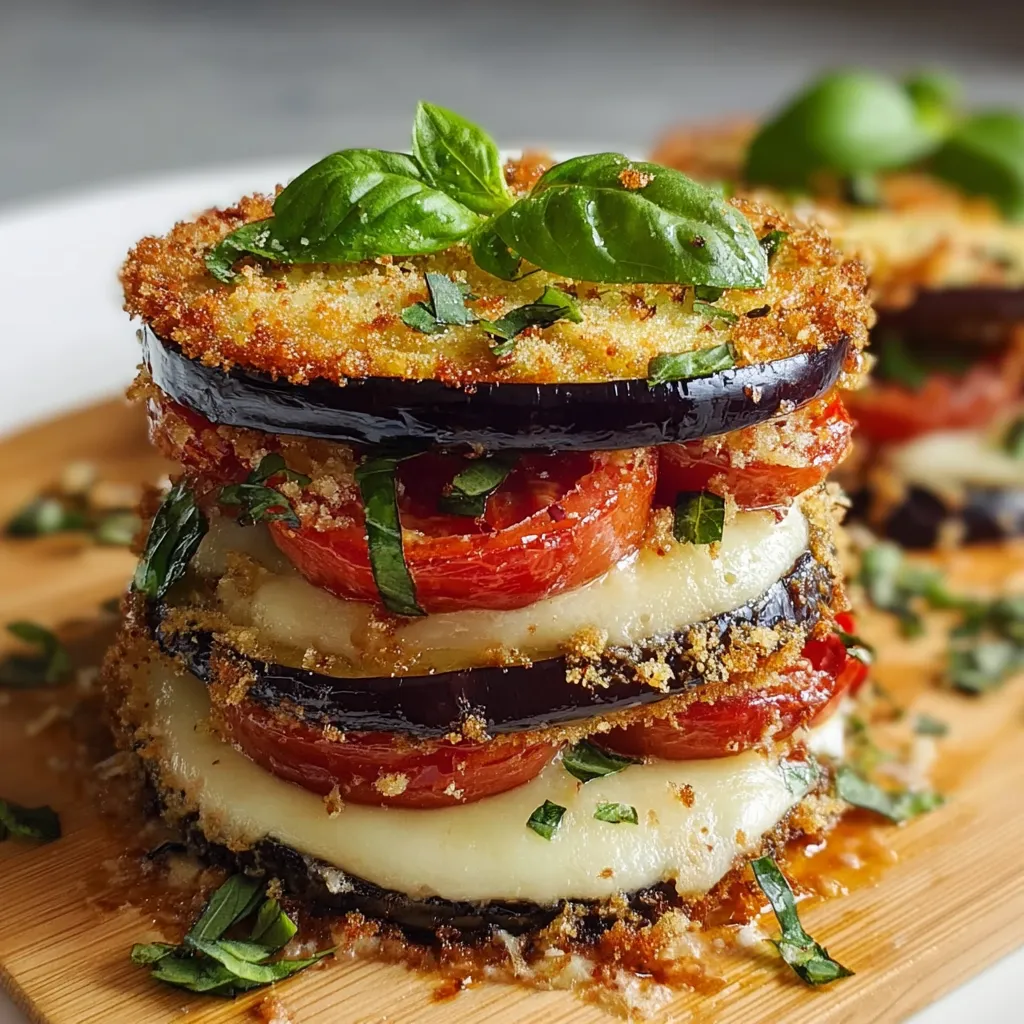 The magic of Eggplant Napoleon lies in the harmonious interplay of textures and flavors. Understanding the science behind each element is key to achieving that sought-after result: tender eggplant, rich sauce, creamy cheese, and crisp accents.
- Eggplant’s Porosity: Eggplant is essentially a sponge. Its cellular structure is riddled with air pockets, readily absorbing oil during cooking, which can lead to a greasy, heavy dish. The solution? Salting the eggplant before cooking draws out moisture and collapses some of those air pockets, preventing excessive oil absorption. This principle is also vital when making a simple Eggplant Parmesan.
- Tomato Sauce’s Acidity: The acidity in tomato sauce needs to be balanced, especially when paired with the richness of cheese. Simmering the sauce gently allows the flavors to meld and the acidity to mellow, creating a smoother, more balanced profile. Adding a touch of sweetness, like a pinch of sugar or a drizzle of balsamic glaze, can further enhance the sauce’s harmony.
- Cheese’s Melting Point: Different cheeses melt at different temperatures. Mozzarella provides a classic, stretchy melt, while ricotta adds creaminess and texture. Understanding the melting point of each cheese allows you to choose the perfect combination for achieving the desired texture within the layers.
The Grand Design: Eggplant Napoleon Recipe
This recipe breaks down each component of the Eggplant Napoleon, guiding you through the process step-by-step.Ingredients:
- 2 large eggplants, peeled and sliced into 1/4-inch thick rounds
- 1 teaspoon salt, plus more to taste
- 1/4 cup olive oil, plus more for drizzling
- 1 medium onion, finely chopped
- 2 cloves garlic, minced
- 28 ounces crushed tomatoes
- 1 teaspoon dried oregano
- 1/2 teaspoon dried basil
- 1/4 teaspoon red pepper flakes (optional)
- 15 ounces ricotta cheese
- 1/2 cup grated Parmesan cheese
- 1 egg, lightly beaten
- 1/4 cup chopped fresh basil
- 8 ounces fresh mozzarella cheese, sliced
- Balsamic glaze, for drizzling (optional)
Instructions:
- Prepare the Eggplant: Lay eggplant slices on a baking sheet lined with paper towels. Sprinkle with salt and let sit for 30 minutes to draw out moisture. Pat dry with paper towels.
- Make the Tomato Sauce: Heat olive oil in a large saucepan over medium heat. Add onion and cook until softened, about 5 minutes. Add garlic and cook for 1 minute more. Stir in crushed tomatoes, oregano, basil, red pepper flakes (if using), and salt to taste. Bring to a simmer and cook for 20 minutes, stirring occasionally.
- Prepare the Ricotta Mixture: In a medium bowl, combine ricotta cheese, Parmesan cheese, egg, and fresh basil. Season with salt to taste.
- Cook the Eggplant: Preheat oven to 400°F (200°C). Brush eggplant slices with olive oil and arrange on a baking sheet. Bake for 15-20 minutes, flipping halfway through, until golden brown and tender. You can also pan-fry them in olive oil until golden.
- Assemble the Napoleon: On a baking sheet, arrange a layer of eggplant slices. Top with a spoonful of tomato sauce, a dollop of ricotta mixture, and a slice of mozzarella. Repeat layers until all ingredients are used, finishing with mozzarella on top.
- Bake: Bake for 15-20 minutes, or until cheese is melted and bubbly.
- Garnish and Serve: Drizzle with balsamic glaze (if using) and serve immediately.
Confessions of a Culinary Explorer: My Eggplant Napoleon Journey
My first few attempts were a disaster. I pictured a delicate tower of flavor, but what emerged from the oven was often a greasy, soggy mess. Then, I had an “Aha!” moment: the eggplant!The Salting Saga
Like many of you, I initially thought salting eggplant was just some old wives’ tale. I skipped it, assuming a quick pan-fry would suffice. The result? Oily, bitter eggplant that dominated the dish. After some research, I realized salting wasn’t just about flavor; it was about texture. By drawing out the moisture, the eggplant became less of an oil sponge and more of a tender, flavorful component.The Sauce Struggle
My early tomato sauces were either bland or overwhelmingly acidic. I experimented with different types of tomatoes, spices, and simmering times. I learned that a long, slow simmer was crucial for developing depth of flavor and mellowing the acidity. A touch of sugar, a trick I picked up from making Minestrone Soup, also helped to balance the flavors.The Cheese Conundrum
Initially, I only used mozzarella, which resulted in a one-dimensional cheesiness. Then, I tried adding ricotta, and everything changed. The ricotta added a creamy, slightly tangy counterpoint to the mozzarella’s richness. The combination created a more complex and satisfying flavor profile. And don’t even get me started on trying to make a Spinach Mushroom Lasagna without getting the cheese ratio right.The Baking Breakdown
My early baking attempts resulted in either undercooked eggplant or burnt cheese. I realized that the key was to pre-cook the eggplant until it was tender, then bake the assembled Napoleon just long enough to melt the cheese and meld the flavors. This prevented the eggplant from becoming mushy and the cheese from burning.The Foolproof Finale: Eggplant Napoleon Technique
After countless experiments and taste tests, I’ve distilled the process into a foolproof technique for creating the perfect Eggplant Napoleon:- Salt and Sweat: Always salt your eggplant to draw out moisture before cooking. This step is non-negotiable.
- Master the Sauce: Simmer your tomato sauce low and slow to develop depth of flavor. Don’t be afraid to adjust the seasoning and add a touch of sweetness if needed.
- Cheese Chemistry: Use a combination of mozzarella and ricotta for a balanced flavor and texture.
- Pre-Cook the Eggplant: Bake or pan-fry the eggplant until it is tender before assembling the Napoleon. This prevents it from becoming mushy during baking.
- Bake to Perfection: Bake the assembled Napoleon just long enough to melt the cheese and meld the flavors. Avoid overbaking, which can result in burnt cheese and dry eggplant.
Why is it important to salt the eggplant before cooking it?
Salting the eggplant draws out moisture, which collapses air pockets and prevents the eggplant from absorbing too much oil during cooking, resulting in a less greasy dish.
What’s the benefit of simmering the tomato sauce for a longer period?
Simmering the tomato sauce gently for a longer period allows the flavors to meld, mellows the acidity, and creates a smoother, more balanced flavor profile.
What cheeses are recommended for Eggplant Napoleon, and why?
The article recommends using a combination of mozzarella and ricotta cheese. Mozzarella provides a classic, stretchy melt, while ricotta adds creaminess and a slightly tangy counterpoint to the mozzarella’s richness, creating a more complex flavor profile.
Why is pre-cooking the eggplant recommended before assembling the Napoleon?
Pre-cooking the eggplant, either by baking or pan-frying, ensures it’s tender before assembling the Napoleon. This prevents it from becoming mushy during the final baking stage when the cheese is melted.
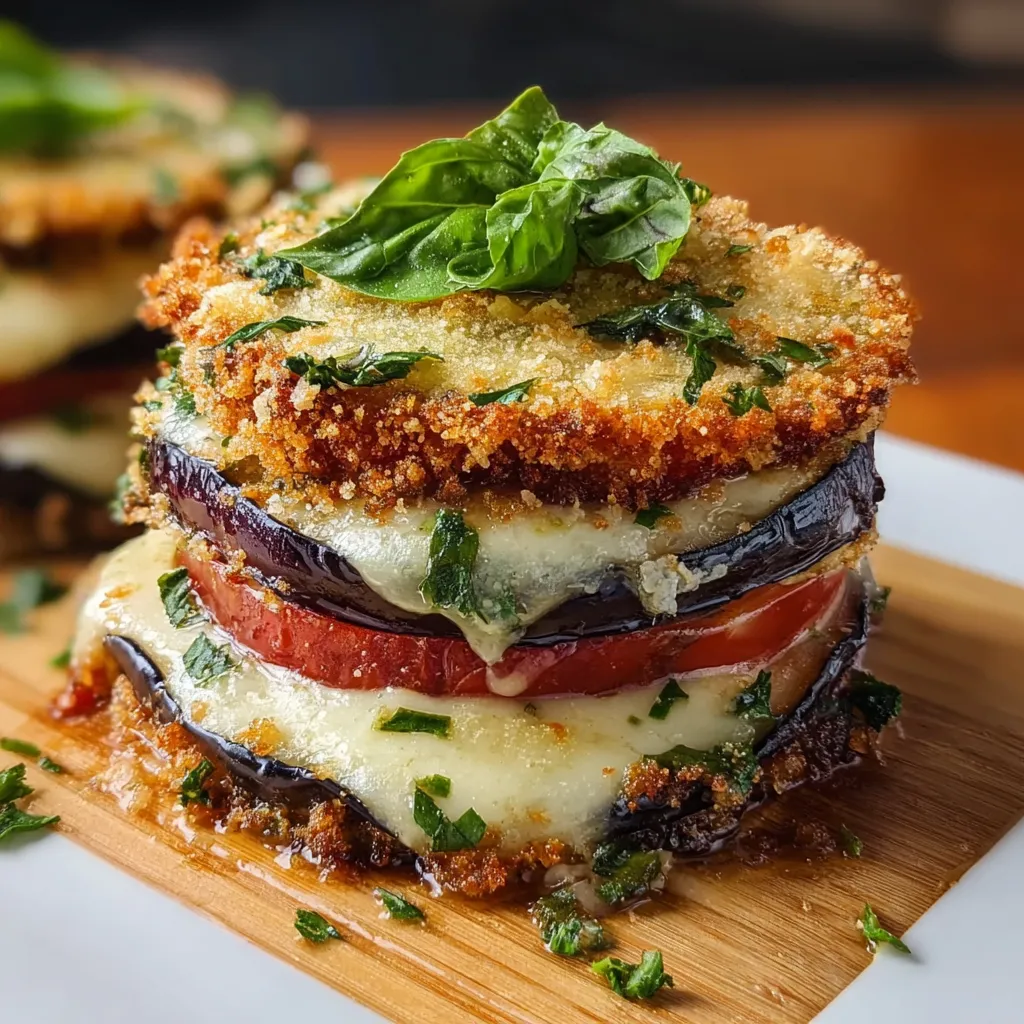
Easy Eggplant Napoleon
Ingredients
Equipment
Method
- Prepare the Eggplant: Lay eggplant slices on a baking sheet lined with paper towels. Sprinkle with salt and let sit for 30 minutes to draw out moisture. Pat dry with paper towels.
- Make the Tomato Sauce: Heat olive oil in a large saucepan over medium heat. Add onion and cook until softened, about 5 minutes. Add garlic and cook for 1 minute more. Stir in crushed tomatoes, oregano, basil, red pepper flakes (if using), and salt to taste. Bring to a simmer and cook for 20 minutes, stirring occasionally.
- Prepare the Ricotta Mixture: In a medium bowl, combine ricotta cheese, Parmesan cheese, egg, and fresh basil. Season with salt to taste.
- Cook the Eggplant: Preheat oven to 400°F (200°C). Brush eggplant slices with olive oil and arrange on a baking sheet. Bake for 15-20 minutes, flipping halfway through, until golden brown and tender. You can also pan-fry them in olive oil until golden.
- Assemble the Napoleon: On a baking sheet, arrange a layer of eggplant slices. Top with a spoonful of tomato sauce, a dollop of ricotta mixture, and a slice of mozzarella. Repeat layers until all ingredients are used, finishing with mozzarella on top.
- Bake: Bake for 15-20 minutes, or until cheese is melted and bubbly.
- Garnish and Serve: Drizzle with balsamic glaze (if using) and serve immediately.