The Alchemy of Francese: Unlocking the Secrets
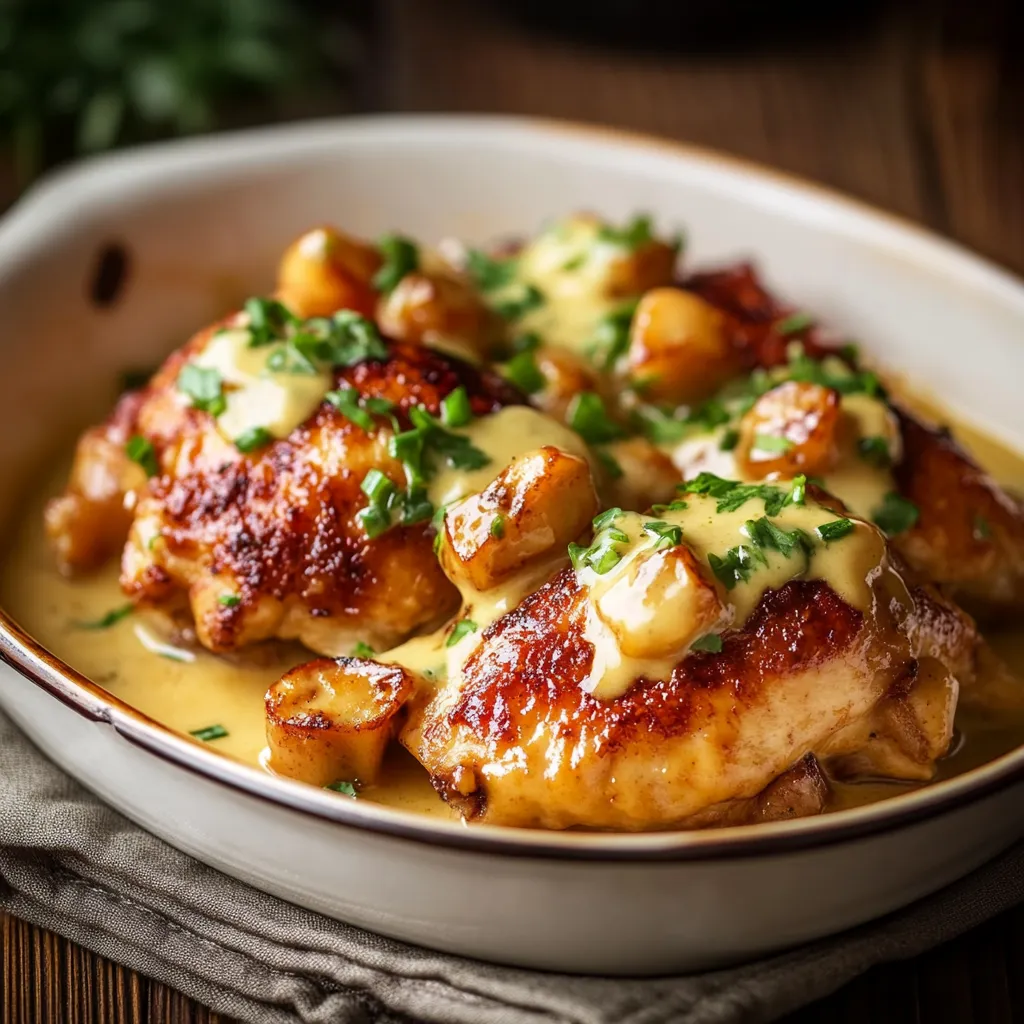
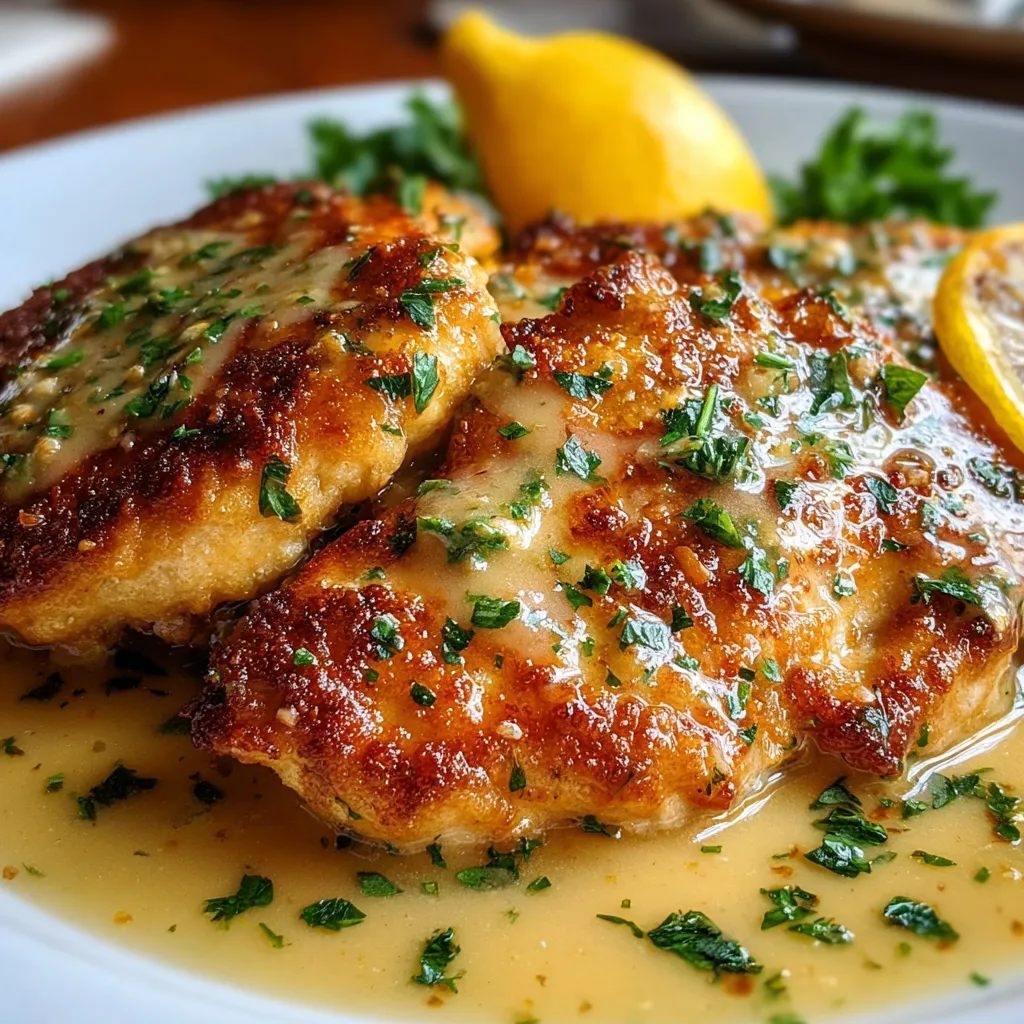 The magic of Chicken Francese lies in a few key scientific principles. First, understanding the Maillard reaction is crucial. This is the chemical reaction between amino acids and reducing sugars that gives browned food its distinctive flavor. In our case, it’s what creates that beautiful golden-brown crust on the chicken. Second, we need to grasp the impact of gluten development. Over-mixing the egg batter leads to a tough, chewy coating – the opposite of what we want. Finally, the emulsification of the sauce is critical. We want a smooth, creamy sauce that clings to the chicken, not a separated, oily mess. The lemon juice acts as both a flavor enhancer and a tenderizer.
The Ultimate Chicken Francese Recipe
Here’s a recipe that, after much experimentation (which I’ll detail later), consistently delivers perfect Chicken Francese.Ingredients:
- For the Chicken:
- 4 boneless, skinless chicken breasts (about 6 oz each), pounded to 1/4-inch thickness
- 1/2 cup all-purpose flour
- 1 teaspoon salt
- 1/2 teaspoon black pepper
- 2 large eggs
- 2 tablespoons grated Parmesan cheese
- 2 tablespoons chopped fresh parsley
- 2 tablespoons milk
- 4 tablespoons olive oil
- 4 tablespoons butter, divided
- For the Sauce:
- 1/2 cup dry white wine (such as Pinot Grigio or Sauvignon Blanc)
- 1/4 cup chicken broth
- 1/4 cup fresh lemon juice (from about 2 lemons)
- 2 tablespoons butter
- 2 tablespoons chopped fresh parsley
- Salt and pepper to taste
Instructions:
1. Prepare the Chicken:- Place each chicken breast between two sheets of plastic wrap and pound to 1/4-inch thickness using a meat mallet. Season both sides with salt and pepper.
- In a shallow dish, whisk together the flour, salt, and pepper.
- In a separate shallow dish, whisk together the eggs, Parmesan cheese, parsley, and milk.
- Dredge each chicken breast in the flour mixture, shaking off any excess.
- Dip the floured chicken into the egg mixture, ensuring it’s fully coated. Let any excess egg drip off.
- In a large skillet over medium-high heat, melt 2 tablespoons of olive oil and 2 tablespoons of butter.
- Carefully place two chicken breasts in the skillet (don’t overcrowd). Cook for 3-4 minutes per side, or until golden brown and cooked through.
- Remove the cooked chicken to a plate and keep warm. Repeat with the remaining chicken, adding the remaining 2 tablespoons of olive oil and 2 tablespoons of butter to the skillet.
- Pour the white wine into the skillet and scrape up any browned bits from the bottom of the pan. Let the wine reduce slightly, about 2 minutes.
- Add the chicken broth and lemon juice to the skillet. Bring to a simmer and let the sauce reduce slightly, about 3 minutes.
- Remove the skillet from the heat and whisk in 2 tablespoons of butter until melted and the sauce is smooth. Stir in the chopped parsley. Season with salt and pepper to taste.
- Pour the sauce over the chicken breasts. Garnish with extra parsley and lemon wedges, if desired. Serve immediately. This dish pairs perfectly with angel hair pasta or a simple green salad, much like how I enjoy Marry Me Chicken Pasta.
My Francese Frenzy: A Culinary Confession
My first few attempts were a disaster. Seriously. I’m a food scientist by trade, and even *I* struggled to get this right initially.The Soggy Saga
Like many of you, I initially thought the key was just dipping the chicken in egg and frying it. The result? A soggy, unevenly cooked mess. The coating would either fall off or be gummy and unappetizing. I tried increasing the heat, thinking that would help, but all it did was burn the outside while leaving the inside raw. I even considered just giving up and making Chicken Casserole Recipe instead.The Flour Power Revelation
Then, I had an “Aha!” moment. I realized the importance of the flour coating. It acts as a crucial barrier, allowing the egg to adhere properly and creating a crispier crust. But simply dredging the chicken in flour wasn’t enough. The flour needed to be seasoned! Adding salt and pepper to the flour made a huge difference in the overall flavor profile.Egg-cellent Embellishments
The next breakthrough came with the egg mixture. I noticed that just plain egg was too thin and didn’t provide enough flavor. Experimenting with different additions, I found that a combination of Parmesan cheese and parsley added a depth of flavor and helped create a richer, more flavorful crust, similar to how cream cheese elevates Baked Cream Cheese Chicken. The small amount of milk helped to thin the egg mixture just enough to make it easier to coat the chicken evenly.The Sauce Situation
Finally, the sauce was a challenge. My early attempts resulted in either a watery, bland sauce or a thick, gloppy one. The key, I discovered, was to reduce the wine and chicken broth sufficiently to concentrate the flavors before adding the lemon juice and butter. The butter must be added *off* the heat to emulsify properly and prevent the sauce from separating. A quick whisk at the end brings everything together beautifully. For a spicy twist, you could even draw inspiration from Baked Crunchy Hot Honey Chicken and add a pinch of red pepper flakes.Francese Perfection: The Foolproof Method
To consistently achieve perfect Chicken Francese, follow these steps:- Pound the Chicken: Ensure even cooking and a tender result.
- Season the Flour: Don’t skip this step! It adds crucial flavor.
- Enhance the Egg: Parmesan cheese and parsley elevate the crust.
- Don’t Overcrowd the Pan: Cook in batches to maintain even browning and temperature.
- Reduce the Sauce: Concentrate the flavors for a richer, more intense sauce.
- Emulsify Off Heat: Add the butter to the sauce off the heat to prevent separation.
- Serve Immediately: Enjoy the crispy crust and creamy sauce at their peak!
What makes Chicken Francese so difficult to perfect?
Achieving the right balance of a crispy, golden-brown exterior and a tender, flavorful interior, while avoiding a soggy egg batter, requires attention to detail in the flouring, egg coating, and sauce preparation.
Why is it important to flour the chicken before dipping it in the egg mixture?
The flour coating acts as a barrier that helps the egg adhere properly to the chicken, creating a crispier crust. Seasoning the flour with salt and pepper also enhances the overall flavor.
How do you prevent the sauce from separating when making Chicken Francese?
To prevent the sauce from separating, reduce the wine and chicken broth sufficiently to concentrate the flavors, and then add the butter off the heat, whisking until it’s fully emulsified.
What are some tips for achieving a crispy, non-soggy crust on the chicken?
Pound the chicken to ensure even cooking, season the flour, enhance the egg mixture with Parmesan and parsley, don’t overcrowd the pan while cooking, and serve the chicken immediately to enjoy the crust at its peak crispiness.
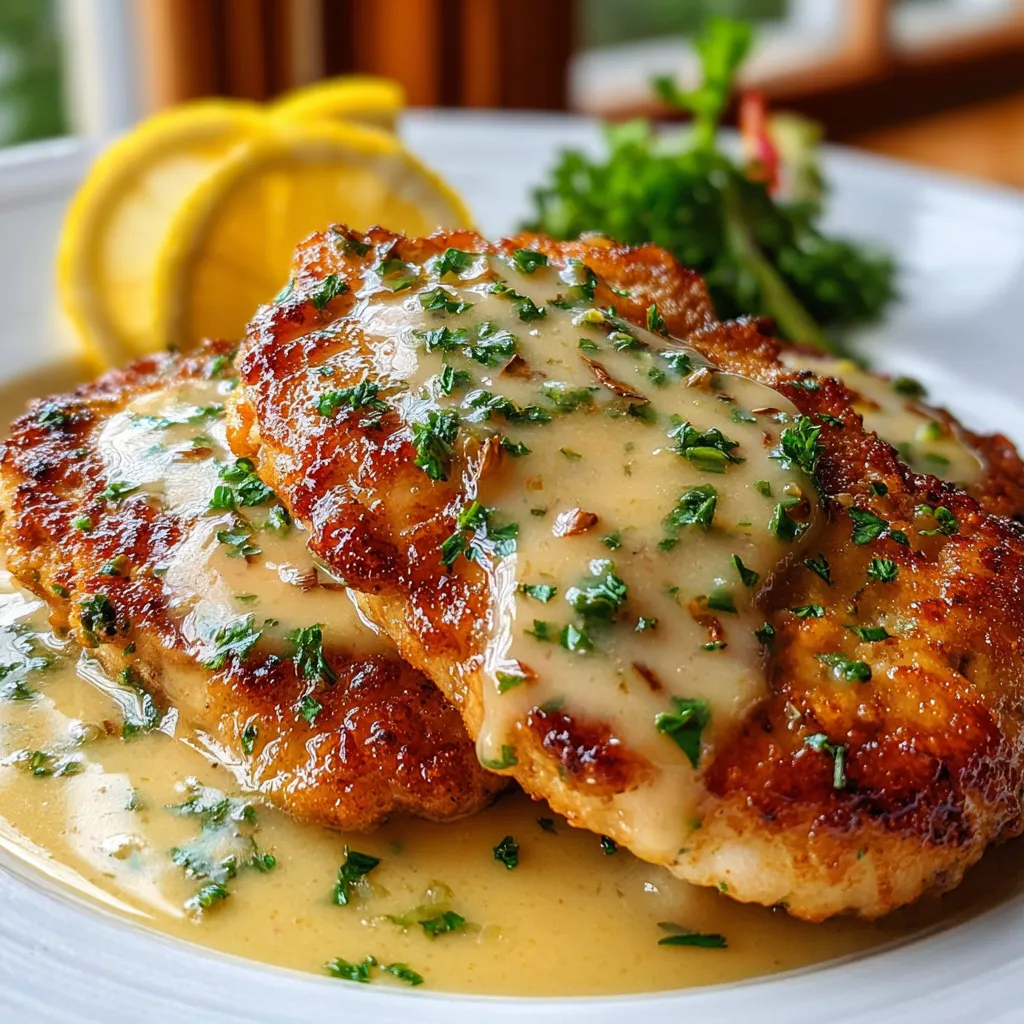
Easy Chicken Francese Perfect Dinner
Ingredients
Equipment
Method
- Place each chicken breast between two sheets of plastic wrap and pound to 1/4-inch thickness using a meat mallet. Season both sides with salt and pepper.
- In a shallow dish, whisk together the flour, salt, and pepper.
- In a separate shallow dish, whisk together the eggs, Parmesan cheese, parsley, and milk.
- Dredge each chicken breast in the flour mixture, shaking off any excess.
- Dip the floured chicken into the egg mixture, ensuring it’s fully coated. Let any excess egg drip off.
- In a large skillet over medium-high heat, melt 2 tablespoons of olive oil and 2 tablespoons of butter.
- Carefully place two chicken breasts in the skillet (don’t overcrowd). Cook for 3-4 minutes per side, or until golden brown and cooked through.
- Remove the cooked chicken to a plate and keep warm. Repeat with the remaining chicken, adding the remaining 2 tablespoons of olive oil and 2 tablespoons of butter to the skillet.
- Pour the white wine into the skillet and scrape up any browned bits from the bottom of the pan. Let the wine reduce slightly, about 2 minutes.
- Add the chicken broth and lemon juice to the skillet. Bring to a simmer and let the sauce reduce slightly, about 3 minutes.
- Remove the skillet from the heat and whisk in 2 tablespoons of butter until melted and the sauce is smooth. Stir in the chopped parsley. Season with salt and pepper to taste.
- Pour the sauce over the chicken breasts. Garnish with extra parsley and lemon wedges, if desired. Serve immediately.