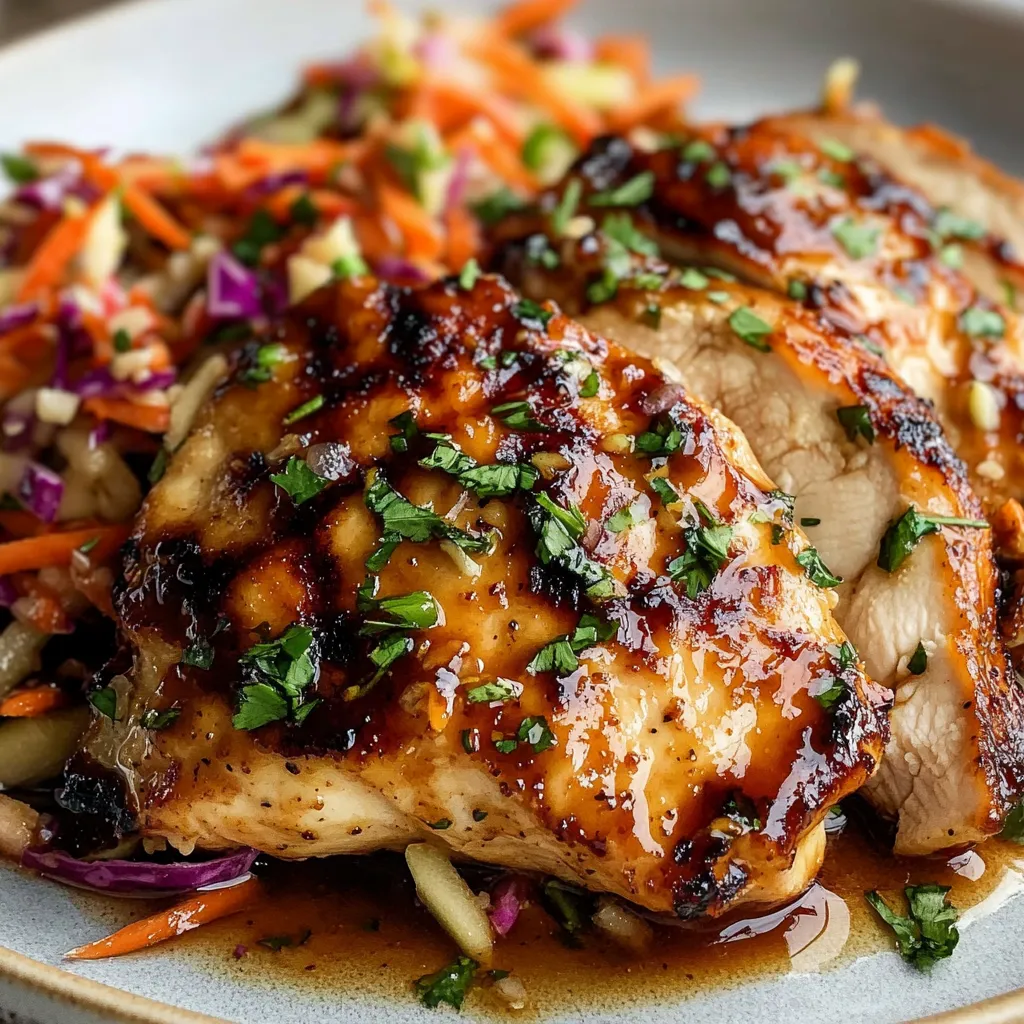
A well-balanced apple cider chicken dinner recipe brings together the warmth of fall flavors with straightforward cooking techniques that work any night of the week. Chicken thighs develop crispy, golden skin before getting coated in a sticky apple cider glaze that caramelizes beautifully in the pan. The bright, crunchy slaw provides refreshing contrast, cutting through the richness while adding crisp texture and fresh apple flavor that ties the whole meal together.
This dinner comes together in 40 minutes from start to finish, making it realistic for weeknight cooking while still feeling special enough for weekend guests. The bone-in, skin-on chicken thighs stay incredibly juicy and flavorful, and the rendered fat helps create that glossy, caramelized glaze. With 35 grams of protein per serving, this meal satisfies without weighing you down.
Why You’ll Love This Apple Cider Chicken Dinner Recipe
The glaze transforms simple chicken into something memorable. Apple cider reduces down with honey, Dijon mustard, and garlic into a sticky coating that clings to every surface. As it caramelizes in the pan, the sugars develop deeper flavor while maintaining that bright apple essence. The mustard adds subtle tang that prevents the glaze from becoming too sweet.
Bone-in, skin-on chicken thighs deliver superior results compared to boneless cuts. The skin crisps up beautifully during the initial sear, and the bone helps the meat stay moist throughout cooking. Thighs also contain more fat than breasts, which means more flavor and a more forgiving cooking process. You can slightly overcook them without ending up with dry, tough meat.
The autumn slaw brings essential balance to this meal. Shredded cabbage and carrots provide crunch and freshness, while thinly sliced apples echo the glaze’s flavor profile. The apple cider vinegar dressing adds acidity that cuts through the rich, sticky chicken. This combination prevents flavor fatigue and makes you want to take another bite.
Everything about this recipe works for real-life cooking. The glaze reduces while you prep the slaw, and the chicken cooks in a single skillet. You’re not juggling multiple pans or complicated techniques. The components complement each other naturally, creating a complete dinner without requiring additional sides.
Ingredients for Apple Cider Chicken Dinner Recipe
I recommend choosing chicken thighs that are roughly the same size so they cook evenly. Pat them thoroughly dry before seasoning since moisture prevents proper browning and crisping. For the apple cider, use the good stuff from the refrigerated section rather than shelf-stable juice, as it has better flavor and natural sugars that caramelize beautifully.
For the Chicken and Glaze:
- 6 chicken thighs, bone-in and skin-on
- 1 cup apple cider
- 2 tablespoons honey
- 1 tablespoon Dijon mustard
- 2 cloves garlic, minced
- Salt and pepper, to taste
- 1 tablespoon cooking oil (vegetable or olive oil)
For the Crisp Autumn Slaw:
- 2 cups green cabbage, shredded
- 1 cup carrots, shredded
- 1 medium apple (preferably Granny Smith), thinly sliced
- 2 tablespoons apple cider vinegar
- 1/4 teaspoon celery seeds
- Salt and pepper, to taste
- 2 tablespoons fresh parsley or chives, chopped
Fresh apple cider makes a significant difference in the glaze compared to apple juice. The cider contains more complex flavors and natural sugars that reduce into a richer, more interesting sauce. Choose pure cider without added sugars or preservatives. Honey brings floral sweetness that complements the apple flavor, while Dijon mustard adds depth and prevents the glaze from becoming one-dimensional.
For the slaw, Granny Smith apples work best since their tartness balances the sweet glaze. Their firm texture holds up well when sliced thin and tossed with dressing. Use fresh, crisp cabbage rather than pre-shredded bags if possible. The texture is noticeably better, and it stays crunchy longer. Celery seeds add subtle complexity to the slaw dressing without overwhelming the other flavors.
How to Make Apple Cider Chicken Dinner Recipe
Start by making the glaze since it needs time to reduce and thicken. Combine the apple cider, honey, Dijon mustard, and minced garlic in a small saucepan. Bring it to a simmer over medium heat, then reduce the heat slightly and let it cook, stirring occasionally. Watch as it gradually thickens and darkens. You’ll know it’s ready when it coats the back of a spoon and doesn’t immediately run off. This usually takes 10-12 minutes.
While the glaze reduces, prepare your chicken. Pat each thigh completely dry with paper towels, paying special attention to the skin side. Any moisture prevents proper crisping. Season both sides generously with salt and pepper, making sure to get seasoning under any folds of skin.
Heat a large skillet over medium-high heat and add the cooking oil. Once the oil shimmers, place the chicken thighs skin side down in the pan. Don’t crowd them or they’ll steam rather than sear. Let them cook undisturbed for 5-7 minutes. You’ll hear them sizzling, and you’ll see the edges of the skin turning golden. Resist the temptation to move them around. When you lift a corner and see deep golden-brown, crispy skin, they’re ready to flip.
Flip the thighs and cook for another 5 minutes on the second side. The chicken should be nearly cooked through at this point. Pour the prepared glaze over the chicken in the skillet, reducing the heat to medium-low. Use a spoon to coat each piece with glaze, then let everything simmer together gently. Spoon the glaze over the thighs repeatedly as it bubbles and reduces further. The glaze will become increasingly sticky and glossy, clinging to the chicken and creating that beautiful caramelized coating.
While the chicken finishes cooking, make the slaw. Combine the shredded cabbage, shredded carrots, and thinly sliced apple in a large bowl. In a small bowl, whisk together the apple cider vinegar, celery seeds, salt, and pepper. The dressing should taste bright and slightly sharp. Drizzle it over the vegetables and toss everything together gently but thoroughly. Add the chopped fresh herbs last, tossing them in just before serving so they stay bright and fresh looking.
Check the chicken’s internal temperature with a meat thermometer. It should read 165°F at the thickest part near the bone. Remove the skillet from the heat and let the chicken rest for a few minutes. This brief rest allows the juices to redistribute throughout the meat, ensuring every bite stays moist and flavorful.
What to Serve with Apple Cider Chicken Dinner Recipe
This meal already includes protein and vegetables, but certain additions can round out the plate or stretch the servings further.
Roasted Root Vegetables: Carrots, parsnips, and sweet potatoes roasted until caramelized bring earthy sweetness that complements the apple cider glaze. Their tender texture contrasts nicely with the crunchy slaw.
Buttery Mashed Potatoes: Creamy mashed potatoes soak up the sticky glaze beautifully and provide comforting richness. The neutral flavor lets the chicken and glaze shine while adding substance to the meal.
Wild Rice Pilaf: Nutty wild rice mixed with herbs and toasted nuts adds sophisticated flavor and interesting texture. It pairs particularly well with the autumn theme and catches any extra glaze.
Roasted Brussels Sprouts: Halved Brussels sprouts roasted until crispy on the outside bring a slightly bitter element that balances the sweet glaze. Their caramelized edges echo the chicken’s caramelization.
Warm Farro or Quinoa: These hearty grains provide a wholesome base that absorbs the glaze while contributing nutty flavor and satisfying chew. They also boost the fiber content significantly.
Crusty Bread: A good baguette or artisan loaf is essential for soaking up every drop of that delicious glaze. Warm it slightly before serving for the best experience.
Pro Tips & Variations
Choose chicken thighs of similar size so they finish cooking at the same time. If you have a mix of large and small pieces, adjust their placement in the pan, putting larger ones in the center where heat is most consistent. Remove the pan from heat as soon as the thighs reach 165°F since they’ll continue cooking from residual heat.
Don’t rush the glaze reduction. Properly reduced glaze has the right consistency to cling to the chicken and caramelize beautifully. Under-reduced glaze stays watery and slides off, while over-reduced glaze becomes too thick and candy-like. Test it by dipping a spoon in and seeing if it coats evenly.
Keep the slaw light and fresh by dressing it just before serving. If you dress it too far in advance, the cabbage and apples release water and become soggy. The dressing should barely coat the vegetables rather than pooling at the bottom of the bowl.
Transform this recipe by swapping proteins. Boneless, skinless chicken breasts work but require less cooking time and benefit from pounding to even thickness. Bone-in pork chops develop excellent caramelization with the glaze and cook in similar time. For a vegetarian version, press extra-firm tofu, cut it into thick slabs, and pan-fry until crispy before glazing.
Add complexity to the slaw by incorporating different vegetables and textures. Thinly sliced fennel brings a subtle licorice note that pairs wonderfully with apple. Radishes add peppery bite and bright color. For richness, toss in toasted pecans or walnuts, which contribute buttery crunch and echo fall flavors.
Adjust the glaze’s sweetness to your preference. Replace honey with maple syrup for deeper, more caramel-like sweetness that enhances the autumn theme. Add a pinch of red pepper flakes or cayenne for subtle heat that cuts through the sweetness. A splash of apple cider vinegar stirred into the finished glaze brightens the flavor profile.
Make this meal work for different dietary needs. The recipe is naturally gluten-free, though always verify labels on prepared ingredients like mustard. For dairy-free diets, nothing needs changing. To reduce calories, remove some of the chicken skin after crisping it, though you’ll sacrifice some flavor and texture.
Storage & Reheating Tips
Store the chicken and slaw separately in airtight containers to maintain their distinct textures. The chicken keeps for up to 3 days in the refrigerator. The glaze may solidify slightly when cold but will melt and become glossy again when reheated. Keep the slaw in its own container, and it will stay relatively crisp for 2 days, though it’s always best the day you make it.
The chicken freezes successfully for up to 2 months. Let it cool completely, then transfer to freezer-safe containers or bags, making sure to include any glaze from the pan. Thaw overnight in the refrigerator before reheating. Never freeze the slaw since the vegetables become limp and watery after thawing.
Reheat the chicken in a skillet over medium heat rather than the microwave for the best results. Add a tablespoon of water or apple cider to the pan to create steam, cover loosely, and warm until heated through. This method helps restore the glaze’s glossy appearance and prevents the chicken from drying out. The skin won’t be quite as crispy as when freshly cooked, but it will still taste excellent.
Always serve the slaw fresh rather than reheated. If you’ve stored dressed slaw, drain off any excess liquid that has accumulated before serving. The vegetables will have softened slightly but should still provide satisfying crunch. Make a fresh batch of slaw if you’re reheating chicken for a second meal during the week.
For meal prep, cook the chicken completely and store it, but wait to make the slaw until you’re ready to serve. The fresh, crisp slaw takes only a few minutes to assemble and tastes significantly better when freshly prepared.
Common Questions
Can I use boneless, skinless chicken thighs? Yes, though the cooking time will be shorter and you’ll miss out on the crispy skin. Start checking for doneness after 12-15 minutes of total cooking time. The glaze still caramelizes beautifully on boneless thighs.
What if my glaze is too thin? Continue simmering it longer until it thickens to the right consistency. If you’ve already added it to the chicken, increase the heat slightly and let it reduce while basting the chicken. The glaze should look glossy and coat the chicken thickly.
Can I make the glaze ahead of time? Absolutely. Prepare it up to 3 days in advance and store it in the refrigerator. Reheat gently before using. The flavors actually deepen slightly after sitting.
Why is my chicken skin not crispy? The chicken was likely too wet before cooking. Always pat it thoroughly dry with paper towels. Also ensure your pan is hot enough before adding the chicken, and don’t move the pieces until they’ve had time to develop a proper crust.
What other apples work well in the slaw? Honeycrisp apples provide sweetness and excellent crunch. Pink Lady apples offer a nice balance between tart and sweet. Avoid Red Delicious or other soft apples that become mushy quickly after slicing.
This apple cider chicken dinner recipe captures everything appealing about fall cooking while remaining practical enough for regular rotation. The sticky, caramelized chicken paired with bright, crunchy slaw creates the kind of flavor and texture contrast that makes every bite interesting. Whether you’re cooking for family or entertaining friends, this combination delivers impressive results without demanding advanced skills or exotic ingredients.
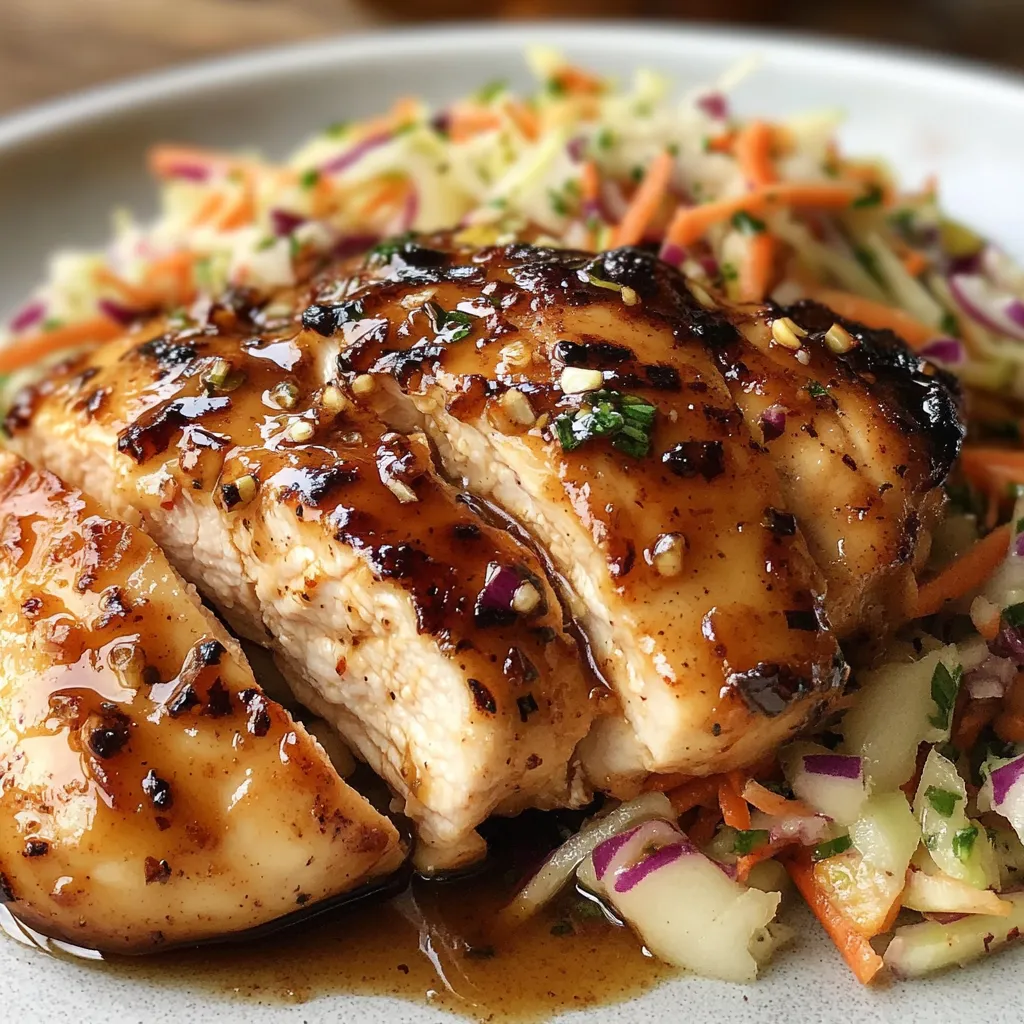
Sticky Apple Cider Chicken with Crisp Autumn Slaw
Ingredients
Equipment
Method
- In a small saucepan, combine apple cider, honey, Dijon mustard, and minced garlic. Simmer over medium heat, stirring occasionally, until the mixture reduces and thickens into a sticky glaze that coats the back of a spoon, about 10-12 minutes.
- Heat cooking oil in a large skillet over medium-high heat. Pat chicken thighs dry and season generously with salt and pepper. Place them skin side down and sear until the skin is golden and crisp, about 5-7 minutes.
- Flip chicken and continue cooking for another 5 minutes until almost cooked through.
- Pour the prepared apple cider glaze over the chicken in the skillet. Reduce heat to medium-low and cook gently, spooning the glaze over the thighs frequently, until the glaze becomes sticky and caramelized. Check that internal temperature reaches 165°F.
- While chicken cooks, combine shredded cabbage, shredded carrots, and thinly sliced apple in a large bowl. In a small bowl, whisk together apple cider vinegar, celery seeds, salt, and pepper.
- Drizzle dressing over the slaw and toss gently to combine. Stir in chopped fresh parsley or chives.
- Let chicken rest for a few minutes, then arrange on plates alongside the crisp autumn slaw. Serve immediately.