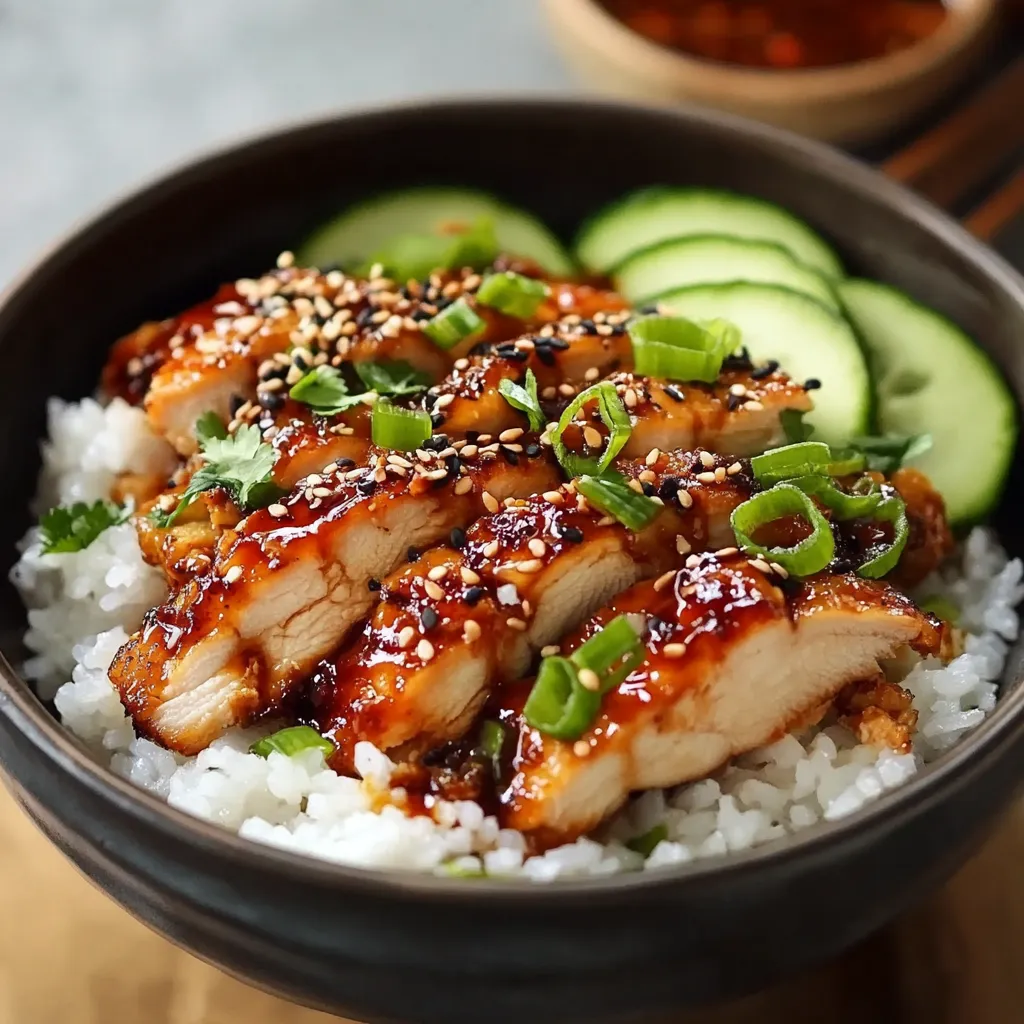
When dinner needs to be quick but still feel like something special, these sticky chicken rice bowls deliver exactly that. Tender pieces of chicken thigh get coated in a glossy, sweet-savory sauce that clings to every bite, all served over fluffy rice for a complete meal. The sauce strikes that perfect balance between honey sweetness, salty soy depth, and a subtle kick from ginger and garlic that makes each forkful satisfying.
What makes this recipe particularly practical is how fast it comes together. From start to finish, you’re looking at just 25 minutes, with most of that being active cooking time where you’re just stirring a pan. The ingredient list is straightforward—no unusual items or specialty store trips required. It’s the kind of dinner that feels like takeout but costs a fraction of the price and lets you control exactly what goes into your meal.
Why You’ll Love These Sticky Chicken Rice Bowls
This recipe solves that weeknight puzzle of wanting something flavorful and filling without spending an hour in the kitchen. The chicken thighs stay incredibly tender and juicy, even if your timing isn’t perfect. Unlike chicken breasts that can dry out quickly, thighs are forgiving and actually taste better when cooked a bit longer.
The sauce is where this dish really shines. That combination of soy sauce, honey, and brown sugar creates a caramelized coating that’s sticky in the best possible way. The sesame oil adds a nutty richness that rounds out all the other flavors, while the rice vinegar keeps everything from being too heavy or one-dimensional. When you add the cornstarch slurry at the end, the sauce transforms into this gorgeous, glossy glaze that makes the dish look restaurant-quality.
These bowls are incredibly customizable without requiring you to follow a different recipe. Want more heat? Add extra red pepper flakes or a drizzle of sriracha. Need more vegetables? Toss in whatever you have—broccoli, snap peas, bell peppers all work beautifully. The rice base makes it genuinely filling, and at 30 grams of protein per serving, you won’t be hungry an hour later.
The meal prep potential here is outstanding. Make a batch on Sunday and you’ve got lunch or dinner sorted for several days. The chicken actually tastes better after sitting overnight once all those flavors have time to really develop.
Ingredients for Sticky Chicken Rice Bowls
I keep these ingredients on hand because this recipe has become a regular rotation meal at my house. Everything here is either a pantry staple or something that stores well in the fridge for multiple uses.
- 1 ½ lbs boneless, skinless chicken thighs, cut into bite-sized pieces
- 2 tablespoons neutral oil
- 3 tablespoons soy sauce
- 2 tablespoons honey
- 2 tablespoons brown sugar
- 1 tablespoon sesame oil
- 1 tablespoon rice vinegar
- 3 garlic cloves, minced
- 1 teaspoon fresh grated ginger
- ½ teaspoon red pepper flakes (optional)
- 2 teaspoons cornstarch mixed with 1 tablespoon water
- 2 cups cooked jasmine or basmati rice
- Sliced green onions (for garnish)
- Sesame seeds (for garnish)
About the Chicken: I always recommend chicken thighs over breasts for this recipe. Thighs have more fat, which means they stay moist and tender even with high heat cooking. They also have more flavor naturally. Look for thighs that are roughly the same size so they cook evenly. When cutting into bite-sized pieces, aim for about 1-inch chunks—small enough to cook quickly but large enough to stay juicy. Pat them dry before cooking, which helps them develop that golden-brown sear.
The Sauce Components: Use regular soy sauce for the best flavor, though low-sodium works if you’re watching salt intake. For a gluten-free version, tamari is a perfect substitute. The honey and brown sugar work together to create that sticky sweetness—using both rather than just one gives more depth and complexity. Toasted sesame oil is essential here; it’s different from regular sesame oil and provides that distinctive nutty aroma. A little goes a long way, so don’t be tempted to add more than the recipe calls for.
Fresh Aromatics: Fresh garlic and ginger make a significant difference in this dish. The jarred versions don’t have the same brightness or punch. For ginger, I use a microplane grater, which turns it into a paste that distributes evenly throughout the sauce. If you’re grating garlic as well, do the ginger first—it’s easier to clean.
The Rice: Jasmine rice is my preference because its slightly floral aroma complements the Asian-inspired sauce beautifully. Basmati works too and has a lovely fluffy texture. Day-old rice actually works better than freshly cooked rice because it’s drier and won’t get mushy when you add the saucy chicken on top.
How to Make Sticky Chicken Rice Bowls
The technique here is straightforward, but getting that perfect sticky sauce requires paying attention to a few key moments. The goal is deeply caramelized chicken with a glossy, thick coating.
Prepare the Chicken
Pat your chicken thighs completely dry with paper towels. This step matters because wet chicken won’t brown properly—it’ll just steam in the pan. Cut the thighs into bite-sized pieces, about 1-inch chunks. Season them lightly with salt. Don’t overdo the salt since the soy sauce in the coating is already quite salty.
While you’re prepping the chicken, make your sauce. In a small bowl, whisk together the soy sauce, honey, brown sugar, sesame oil, rice vinegar, minced garlic, grated ginger, and red pepper flakes if using. Whisk until the sugar dissolves and everything is well combined. The sauce will look thin at this point, but the cornstarch will thicken it later. Set this aside where you can easily reach it once the chicken is cooked.
Sear the Chicken
Heat your neutral oil in a large skillet over medium-high heat. Let the pan get hot—you want to hear a sizzle when the chicken hits the surface. Add the chicken pieces in a single layer, making sure they’re not touching or overlapping. If your pan isn’t large enough for all the chicken at once, work in two batches rather than crowding. Crowded chicken steams instead of browning.
Let the chicken cook undisturbed for 2-3 minutes on the first side. Resist the urge to move it around. You want a golden-brown crust to develop. After those first few minutes, stir occasionally and continue cooking for another 5-6 minutes until all sides are browned and the chicken is cooked through. The internal temperature should reach 165°F, but thighs are forgiving—they can go a bit higher without drying out.
Create the Sticky Glaze
Once your chicken is cooked through and nicely browned, reduce the heat to medium-low. Pour the prepared sauce over the chicken and stir immediately to coat every piece. The sauce will bubble vigorously when it hits the hot pan. Keep stirring for about 3-4 minutes as the sauce reduces and starts to thicken naturally. You’ll notice it beginning to cling to the chicken instead of pooling at the bottom of the pan.
In a small cup, mix your cornstarch with a tablespoon of water until smooth with no lumps. Pour this slurry into the skillet while stirring constantly. The sauce will thicken dramatically within 2-3 minutes, becoming glossy and sticky. Keep stirring to ensure the cornstarch doesn’t clump and to coat every piece of chicken evenly. The sauce should cling to the chicken in a thick, shiny glaze.
Assemble the Bowls
Divide your cooked rice among four bowls. Spoon the sticky chicken over the rice, making sure to drizzle any extra sauce from the pan over the top. Garnish generously with sliced green onions and a sprinkle of sesame seeds. The green onions add a fresh, sharp bite that cuts through the sweet sauce, and the sesame seeds provide a subtle crunch.
What to Serve with Sticky Chicken Rice Bowls
Since these bowls are already quite complete with protein, rice, and sauce, I focus on adding vegetables and lighter sides that balance the richness.
Steamed Broccoli: Simple steamed broccoli with a sprinkle of salt provides a nutritious, mild counterpoint. The slight bitterness of broccoli actually complements the sweet sauce nicely. You can even toss the broccoli directly in the leftover sauce.
Sautéed Bok Choy: Baby bok choy halved and quickly sautéed in garlic and a touch of soy sauce adds both color and nutrition. The tender leaves and crunchy stems provide great textural variety.
Quick Pickled Cucumbers: Thinly slice cucumbers and toss with rice vinegar, a pinch of sugar, and salt. Let them sit for 10 minutes. The tangy, refreshing crunch cuts through the sticky sweetness beautifully and adds brightness to the bowl.
Edamame: A simple side of steamed edamame with sea salt adds protein and a fun, interactive element to the meal. Kids especially enjoy popping the beans out of the pods.
Miso Soup: A light miso soup on the side makes this feel like a complete Japanese-inspired meal. The warm, savory broth provides contrast to the sweet-sticky main dish.
Snap Peas: Raw or lightly blanched snap peas add sweetness and crunch. I sometimes toss them right into the bowl with the chicken for an all-in-one meal.
Pro Tips & Variations
Double the Sauce: If you love extra sauce (and who doesn’t?), make 1.5 times the sauce recipe. The extra drizzle over the rice and any added vegetables makes every bite more flavorful. Leftover sauce stores well in the fridge for up to a week.
Crispier Texture: For extra crispy chicken edges, toss the chicken pieces in a tablespoon of cornstarch before cooking. This creates an almost tempura-like crust that the sauce adheres to even better. The coating gives you more texture contrast in the final dish.
Add Vegetables to the Pan: After removing the cooked chicken, use the same pan to quickly stir-fry vegetables like bell peppers, snap peas, or broccoli florets. Return the chicken and sauce to the pan with the vegetables for a complete one-pan meal. This method adds nutrients without extra cleanup.
Spice It Up: Beyond red pepper flakes, try adding a teaspoon of gochugaru (Korean chili flakes) for a different kind of heat. Sriracha or sambal oelek stirred into the sauce gives it a spicy kick. Fresh sliced jalapeños as a garnish work for those who want adjustable heat.
Protein Swaps: Firm tofu cubed and pan-fried until crispy works wonderfully for a vegetarian version. Shrimp cooks even faster than chicken—just 3-4 minutes total. Thinly sliced pork tenderloin or beef sirloin also work, though cooking times will vary.
Make It a Stir-Fry: Skip the rice bowls entirely and toss the sticky chicken with stir-fried noodles instead. Rice noodles, udon, or even spaghetti all work. The sticky sauce coats noodles just as beautifully as it does rice.
Storage & Reheating Tips
I store the sticky chicken and rice separately in airtight containers in the refrigerator for up to 4 days. Keeping them separate prevents the rice from absorbing too much sauce and becoming mushy. When stored properly, the chicken actually improves in flavor as it sits.
For reheating, the microwave works well. Heat the chicken for 1-2 minutes on medium power, stirring halfway through. If the sauce has thickened too much during storage, add a tablespoon of water and stir. For the rice, microwave with a damp paper towel on top to prevent it from drying out. Stovetop reheating in a skillet over medium-low heat works beautifully too—just add a splash of water or chicken broth to loosen the sauce.
This recipe freezes well, though I recommend freezing the chicken without the rice. Portion the chicken into freezer-safe containers or bags and freeze for up to 2 months. Thaw overnight in the refrigerator, then reheat gently on the stovetop or in the microwave. Cook fresh rice when you’re ready to serve for the best texture.
For meal prep, I portion everything into individual containers with the chicken, rice, and any vegetables in separate compartments. This keeps textures distinct and makes reheating more even. Garnish with fresh green onions and sesame seeds just before eating rather than storing them on top.
Common Questions
Can I use chicken breasts instead of thighs? You can, but thighs give better results. Breasts dry out more easily and don’t have the same rich flavor. If using breasts, cut them slightly smaller, watch the cooking time carefully, and remove from heat the moment they reach 165°F. Consider reducing the initial cooking time by 1-2 minutes.
What if my sauce is too thin? Make sure you’re using the cornstarch slurry and letting it cook for the full 2-3 minutes after adding. If it’s still thin, mix another teaspoon of cornstarch with a tablespoon of water and add it gradually while stirring. Let it cook for another minute. The sauce thickens more as it cools, so don’t worry if it seems slightly thin in the pan.
Can I make this less sweet? Reduce the honey and brown sugar to 1 tablespoon each. The sauce will still be slightly sweet from these ingredients plus the natural sugars in the other components, but it won’t be as pronounced. You can also add an extra tablespoon of rice vinegar to balance the sweetness with more acidity.
Is this recipe kid-friendly? Very much so. The sweet sauce appeals to most kids, and you can leave out the red pepper flakes entirely for zero heat. Cutting the chicken into smaller pieces makes it easier for little ones to eat. Serve with mild vegetables like steamed carrots or edamame.
What’s the best rice to use? Jasmine rice is ideal because of its slightly sticky texture and subtle fragrance. Basmati works great too and has a fluffier, drier texture. Short-grain white rice or even brown rice work fine, though brown rice changes the nutritional profile and has a chewier texture. Whatever you choose, make sure it’s cooked and slightly cooled before serving.
These sticky chicken rice bowls have earned their place as a regular weeknight dinner because they check every box—quick, flavorful, filling, and adaptable. The glossy, caramelized sauce turns simple chicken into something that feels indulgent, while the rice makes it a complete meal. Whether you’re cooking for picky eaters or adventurous palates, this recipe delivers satisfaction every time.
Sticky Chicken Rice Bowls
Ingredients
Equipment
Method
- Pat chicken thighs dry with paper towels and cut into bite-sized pieces, about 1-inch chunks. Season lightly with salt.
- In a small bowl, whisk together soy sauce, honey, brown sugar, sesame oil, rice vinegar, minced garlic, grated ginger, and red pepper flakes (if using) until sugar dissolves. Set aside.
- Heat neutral oil in a large skillet over medium-high heat until shimmering. Add chicken pieces in a single layer without crowding (work in batches if needed).
- Let chicken sear undisturbed for 2-3 minutes on the first side to develop a golden-brown crust. Stir occasionally and continue cooking for another 5-6 minutes until chicken is browned on all sides and cooked through to 165°F, about 7-9 minutes total.
- Reduce heat to medium-low. Pour the prepared sauce over the cooked chicken and stir immediately to coat all pieces. Simmer for 3-4 minutes, stirring occasionally, as the sauce reduces and begins to thicken naturally.
- Mix cornstarch with 1 tablespoon water until smooth. Pour the cornstarch slurry into the skillet while stirring constantly. Continue cooking and stirring for 2-3 minutes until the sauce becomes thick, sticky, and glossy.
- Divide cooked rice among 4 bowls. Spoon sticky chicken over the rice, drizzling any extra sauce from the pan on top. Garnish with sliced green onions and sesame seeds. Serve immediately.