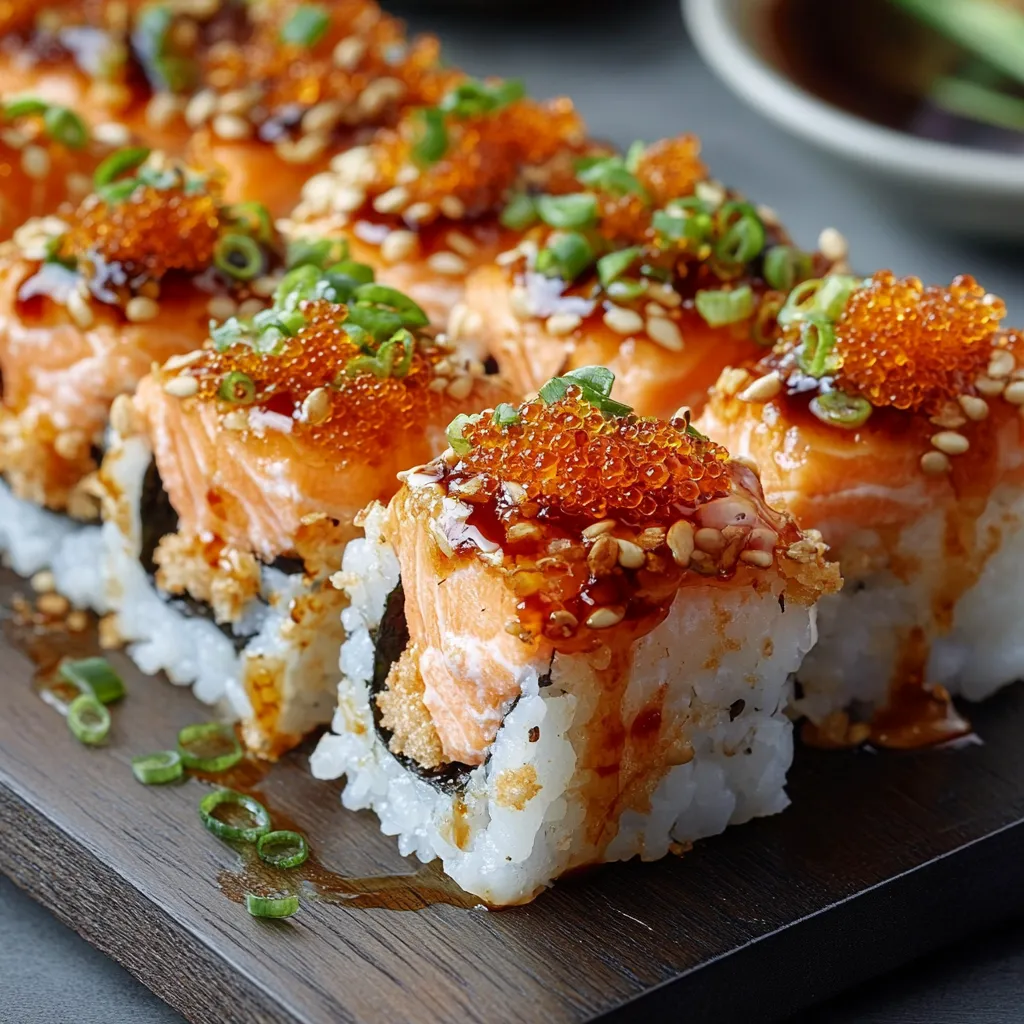
There’s something irresistible about deconstructed sushi served warm and bubbling from the oven. This spicy salmon sushi bake recipe takes everything you love about spicy salmon rolls and transforms it into a comforting casserole that’s easier to make and feeds a crowd. The seasoned sushi rice forms a sturdy base, while the creamy, spicy salmon layer on top bakes until just golden at the edges, creating a dish that’s both familiar and completely new.
What makes this dinner so appealing is how it captures authentic sushi flavors without requiring any rolling skills or special equipment. The combination of fresh salmon with creamy mayo and Sriracha creates that signature spicy salmon flavor, while the seasoned rice provides the perfect foundation. Ready in under an hour with mostly hands-off cooking time, this bake delivers restaurant-quality results that work just as well for a casual weeknight as they do for entertaining.
Why You’ll Love This Spicy Salmon Sushi Bake Recipe
The format makes sushi accessible to anyone. You don’t need bamboo mats, perfect rolling technique, or years of practice. Just layer seasoned rice and spicy salmon in a baking dish, then let the oven do its work. Everyone can dig in with a spoon, making it casual and interactive.
Fresh salmon baked this way stays incredibly moist while developing slight caramelization on top. The mayo in the mixture helps the fish stay tender, and the brief baking time prevents it from drying out. You get perfectly cooked salmon in every bite without the worry of overcooking that pan-searing sometimes brings.
This recipe feeds a group easily and scales up beautifully. A 9×13 inch pan serves four people generously, but you can double everything for a party or potluck. The communal serving style encourages people to customize their portions, adding extra Sriracha or soy sauce as they prefer.
The leftovers transform into entirely different meals. Chilled sushi bake works beautifully in grain bowls, or you can crisp up portions in a pan for a completely different texture. Having versatile leftovers means you’re not eating the exact same meal twice.
Ingredients for Spicy Salmon Sushi Bake Recipe
I always use sushi rice specifically for this dish because it has the right starch content to hold together when seasoned. Regular short-grain rice can work in a pinch, but true sushi rice gives you that authentic sticky texture that makes each scoop hold its shape.
- 2 cups sushi rice, uncooked
- 2.5 cups water
- 1/4 cup rice vinegar
- 2 tablespoons sugar
- 1 teaspoon salt
- 1 lb fresh salmon fillet, skinless and diced
- 1/2 cup mayonnaise
- 2 tablespoons Sriracha sauce (or to taste)
- 1 teaspoon sesame oil
- 1/2 cup green onions, chopped, plus extra for garnish
- 1 sheet nori, cut into small strips
- Tobiko, optional for garnish
- Furikake seasoning, for sprinkling
Fresh salmon makes all the difference here. Look for bright, firm flesh without any fishy smell—it should smell clean and ocean-like. I buy sushi-grade salmon when possible since you’re not cooking it to well-done. The quality of your fish directly impacts the final dish, so this isn’t the place to use older salmon from the back of your freezer.
Japanese mayonnaise like Kewpie has a richer, tangier flavor than American mayo, though either works. The sesame oil adds a nutty depth that rounds out the spicy, creamy salmon mixture. Rice vinegar seasoning is what gives sushi rice its characteristic tangy-sweet flavor—don’t skip this step, as plain cooked rice won’t taste right.
How to Make Spicy Salmon Sushi Bake Recipe
The rice forms the foundation, so getting it right matters. Proper rinsing and seasoning ensure the base supports everything else perfectly.
- Set your oven to preheat to 375°F. This moderate temperature cooks the salmon through without drying it out while allowing the top to develop light browning.
- Rinse the sushi rice under cold running water in a fine-mesh strainer, swishing it around with your hand. Keep rinsing until the water runs clear rather than cloudy—this removes excess starch that would make the rice gummy instead of pleasantly sticky. Cook according to package directions, either in a rice cooker or on the stovetop. Most sushi rice needs a 1:1.25 ratio of rice to water, which is why we’re using 2.5 cups water for 2 cups rice.
- While the rice cooks, combine the rice vinegar, sugar, and salt in a small bowl. Stir until the sugar and salt dissolve completely. This mixture needs to be ready when your rice finishes so you can season it while it’s still hot—hot rice absorbs the seasoning better than cooled rice.
- When the rice finishes cooking, transfer it to a large bowl and fluff gently with a rice paddle or fork. Drizzle the vinegar mixture over the rice and use a cutting motion to fold it in, rather than stirring, which would make the rice mushy. You want to coat every grain without crushing them. Let the rice cool slightly—it should be warm but not piping hot when you spread it in the dish.
- Press the seasoned rice evenly into the bottom of a 9×13 inch baking dish. Use the back of a spoon or your hands (dampened with water to prevent sticking) to create an even layer about an inch thick. This rice base will support the salmon mixture and provide structure to each serving.
- In a mixing bowl, combine the diced salmon with mayonnaise, Sriracha, sesame oil, and half the green onions. Mix gently but thoroughly so every piece of salmon gets coated in the creamy, spicy mixture. Pat your salmon pieces dry before mixing—excess moisture prevents proper browning. Taste the mixture and adjust the Sriracha level to your preference. Two tablespoons gives you noticeable heat without being overwhelming.
- Spread the salmon mixture evenly over the rice layer. You want complete coverage so every scoop includes both rice and salmon. Use a spatula to smooth the top gently—you don’t need it perfectly flat, but roughly even ensures consistent cooking.
- Slide the baking dish into your preheated oven and bake for 25-30 minutes. The salmon should cook through completely and you’ll see the top turn slightly golden around the edges. The mayo helps the salmon brown lightly while keeping it moist. Check that the salmon flakes easily with a fork but still looks moist, not dry.
- Remove from the oven and let it rest for 5 minutes before garnishing. This resting time lets everything set up slightly so it’s easier to scoop. Sprinkle generously with furikake seasoning, scatter the remaining green onions over the top, arrange nori strips for visual appeal, and add tobiko if you’re using it. The garnishes add both flavor and that authentic sushi appearance.
- Serve warm, scooping portions with a large spoon. Each serving should include rice and salmon in one cohesive scoop. Set out soy sauce, extra Sriracha, and wasabi on the side so everyone can adjust flavors to their liking.
What to Serve with Spicy Salmon Sushi Bake Recipe
This dish is substantial on its own, but a few simple sides create a complete Japanese-inspired meal.
Cucumber Salad: Quick pickled cucumbers with rice vinegar, sugar, and sesame seeds provide cooling crunch that balances the spicy, rich bake. The acidity cuts through the mayo, and the cold temperature contrasts beautifully with the warm casserole. Make this ahead so the cucumbers have time to pickle.
Miso Soup: A simple miso soup with tofu, wakame seaweed, and green onions feels authentic and comforting. The hot broth warms you up and the umami flavors complement the salmon without competing. This is especially nice in cooler weather.
Edamame: Steamed edamame sprinkled with coarse salt makes an easy, protein-rich side that requires minimal effort. The bright green pods add color to your table, and they’re fun to eat. Kids especially enjoy squeezing the beans out of the pods.
Asian Slaw: A light cabbage slaw with ginger-sesame dressing adds crunch and freshness. The shredded vegetables provide textural contrast to the soft rice and salmon, and the tangy dressing brightens everything up. You can make this ahead and it stays crisp.
Seaweed Salad: Store-bought seaweed salad brings authentic Japanese flavors and interesting texture. The slippery, slightly chewy seaweed feels special and tastes oceanic in a way that ties beautifully to the salmon. Look for it in the refrigerated section of Asian markets.
Gyoza or Potstickers: Pan-fried dumplings turn this into a more substantial feast. Whether you make them from scratch or use frozen, the crispy-bottomed dumplings add another dimension to the meal. Serve with soy-vinegar dipping sauce.
Pro Tips & Variations
Rinse your rice thoroughly before cooking. Sushi rice has lots of surface starch, and rinsing until the water runs clear prevents gummy, sticky rice. This step takes a few minutes but makes a noticeable difference in the final texture.
Season the rice while it’s still hot. The warm grains absorb the vinegar mixture more effectively than cooled rice. Use a cutting and folding motion rather than stirring to avoid making the rice mushy—you want to coat the grains without crushing them.
Pat your salmon completely dry before mixing with the mayo and Sriracha. Excess moisture on the fish’s surface prevents proper browning and can make your topping watery. Use paper towels to absorb any liquid.
For extra crispy top, finish under the broiler for 2-3 minutes after baking. Watch it closely during this time—you want light golden browning, not burnt spots. The broiler adds textural interest and intensifies the flavors slightly through caramelization.
Seafood Variations: Swap salmon for cooked shrimp, imitation crab, or real crab meat. Cooked seafood needs less baking time, so reduce to 15-20 minutes just to heat through and brown the top. A combination of salmon and shrimp creates an interesting mix.
Spice Adjustments: Start with 1 tablespoon Sriracha for mild heat, or go up to 3-4 tablespoons if you love spice. You can also add a teaspoon of togarashi (Japanese chili powder) for a different heat profile. A drizzle of spicy mayo over the top before baking adds even more kick.
Rice Alternatives: Brown sushi rice works for a healthier version with more fiber and nutrients. It takes longer to cook and needs more water, so follow package directions. Cauliflower rice creates a low-carb option, though you’ll need to squeeze out excess moisture before using.
Add Cream Cheese: Mix 4 ounces of softened cream cheese into the salmon mixture for a Philadelphia roll-inspired version. The cream cheese makes it even richer and adds tangy flavor that some people love.
Make Individual Portions: Divide everything into ramekins for personal servings. Bake for 20-25 minutes instead of 30, checking that the salmon cooks through. Individual portions work beautifully for dinner parties.
Storage & Reheating Tips
Store leftovers in an airtight container in the refrigerator for up to 2 days. The rice firms up as it chills, which actually makes it easier to portion and reheat. Keep the garnishes separate if you have extra, adding them fresh when serving.
Reheat in the oven at 325°F for 15-20 minutes, covered with foil to prevent drying out. The oven maintains the best texture. You can also microwave individual portions at reduced power, though the rice may become slightly harder. Add a tablespoon of water before microwaving to create steam.
This sushi bake tastes excellent cold the next day, almost like refrigerated sushi. Many people actually prefer the chilled leftovers, eating them straight from the fridge or at room temperature. The flavors meld overnight, and the firmer texture makes it easier to eat with chopsticks.
For a completely different leftover meal, cut the cold bake into cubes and pan-fry in a nonstick skillet until crispy on the outside. These crispy spicy salmon rice cakes have an amazing texture and feel like an entirely new dish.
Common Questions
Can I use frozen salmon? Yes, but thaw it completely first and pat it very dry. Frozen salmon releases more moisture as it cooks, which can make your topping watery. Pressing it between paper towels helps remove excess liquid. Fresh salmon gives better results, but frozen works when that’s what you have.
Do I need to use sushi-grade salmon? While the salmon bakes fully, using sushi-grade ensures the best quality and flavor. Regular fresh salmon from a reliable fishmonger works fine too—just make sure it smells clean and looks bright. Avoid salmon that smells fishy or has brown edges.
Can I make this ahead? Assemble the dish up to 4 hours before baking, covering tightly and refrigerating. Add 5-10 minutes to the baking time since you’re starting with cold ingredients. The rice quality is best when freshly made, so I don’t recommend assembling more than a few hours ahead.
What if I don’t have a rice cooker? Cook sushi rice on the stovetop by bringing it to a boil, then reducing to the lowest simmer and covering for 15 minutes. Remove from heat and let it steam, covered, for 10 more minutes. Don’t lift the lid during cooking—the steam is essential for proper texture.
How do I know when it’s done? The salmon should be opaque throughout and flake easily with a fork. The top will have light golden spots, and the edges might bubble slightly. An instant-read thermometer inserted into the salmon layer should read 145°F, though most people prefer salmon slightly under this for moisture.
This spicy salmon sushi bake recipe brings all the flavors of your favorite sushi roll into an easy, shareable format that requires no special skills. The creamy, spicy salmon over seasoned rice captures that authentic taste while being approachable enough for any home cook. Whether you’re introducing someone to sushi flavors or feeding a crowd of sushi lovers, this baked version delivers satisfaction in every warm, flavorful scoop.
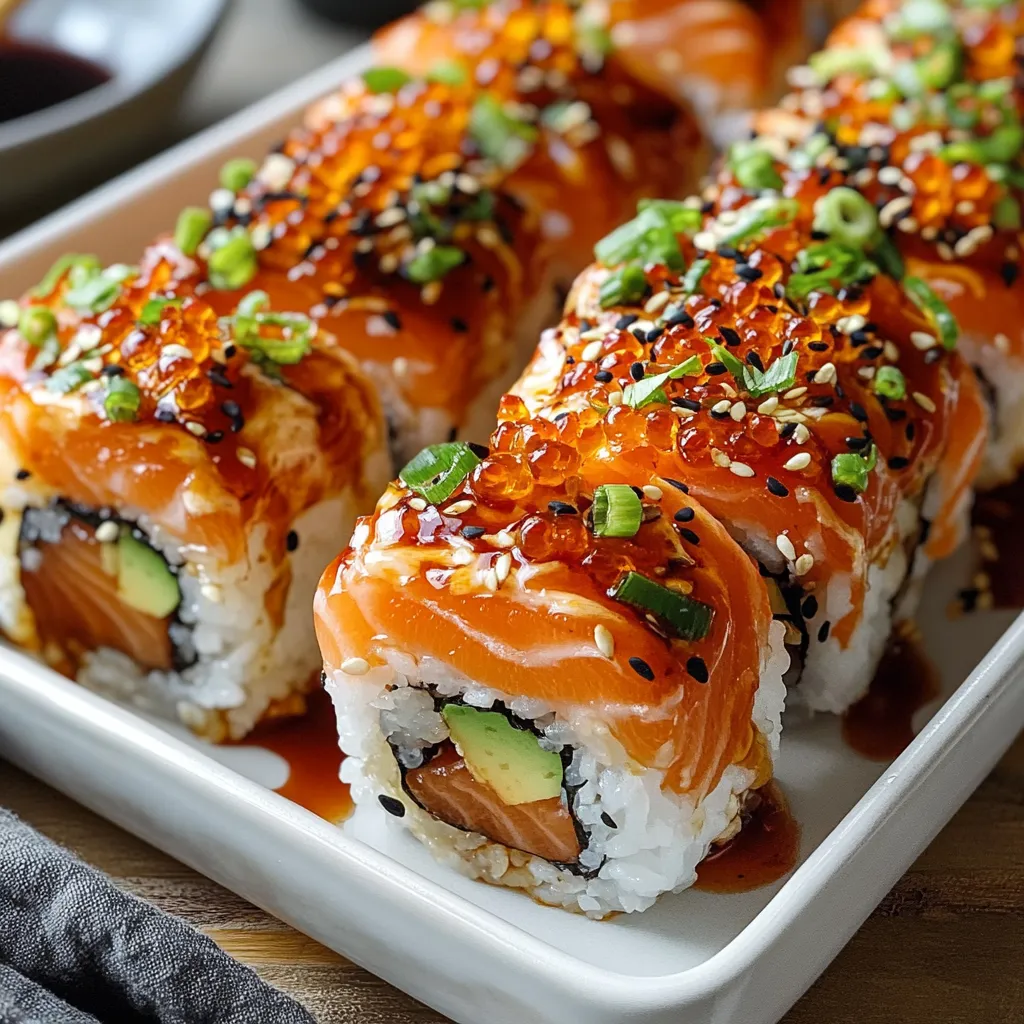
Spicy Salmon Sushi Bake Recipe
Ingredients
Equipment
Method
- Preheat oven to 375°F (190°C).
- Rinse sushi rice under cold running water in a fine-mesh strainer, swishing with your hand until water runs clear. This removes excess starch.
- Cook rice according to package instructions in rice cooker or pot, typically using 2.5 cups water for 2 cups rice.
- While rice cooks, combine rice vinegar, sugar, and salt in a small bowl. Stir until sugar and salt dissolve completely.
- When rice finishes cooking, transfer to large bowl and fluff gently with fork or rice paddle. Drizzle vinegar mixture over hot rice and use cutting motion to fold it in without crushing grains. Let cool slightly until warm but not hot.
- Press seasoned rice evenly into bottom of 9×13 inch baking dish, creating layer about 1 inch thick. Use dampened hands or back of spoon to prevent sticking and ensure even coverage.
- Pat salmon pieces completely dry with paper towels. In mixing bowl, combine diced salmon with mayonnaise, Sriracha, sesame oil, and half the green onions. Mix gently but thoroughly to coat all salmon pieces. Adjust Sriracha to taste preference.
- Spread salmon mixture evenly over rice layer, covering completely. Use spatula to smooth top roughly even for consistent cooking.
- Bake in preheated oven for 25-30 minutes, until salmon is cooked through and top is slightly golden around edges. Salmon should flake easily with fork but still look moist.
- Remove from oven and let rest for 5 minutes. Garnish generously with furikake seasoning, remaining green onions, nori strips, and tobiko if using.
- Serve warm, scooping portions with large spoon. Set out soy sauce, extra Sriracha, and wasabi on the side for customization.