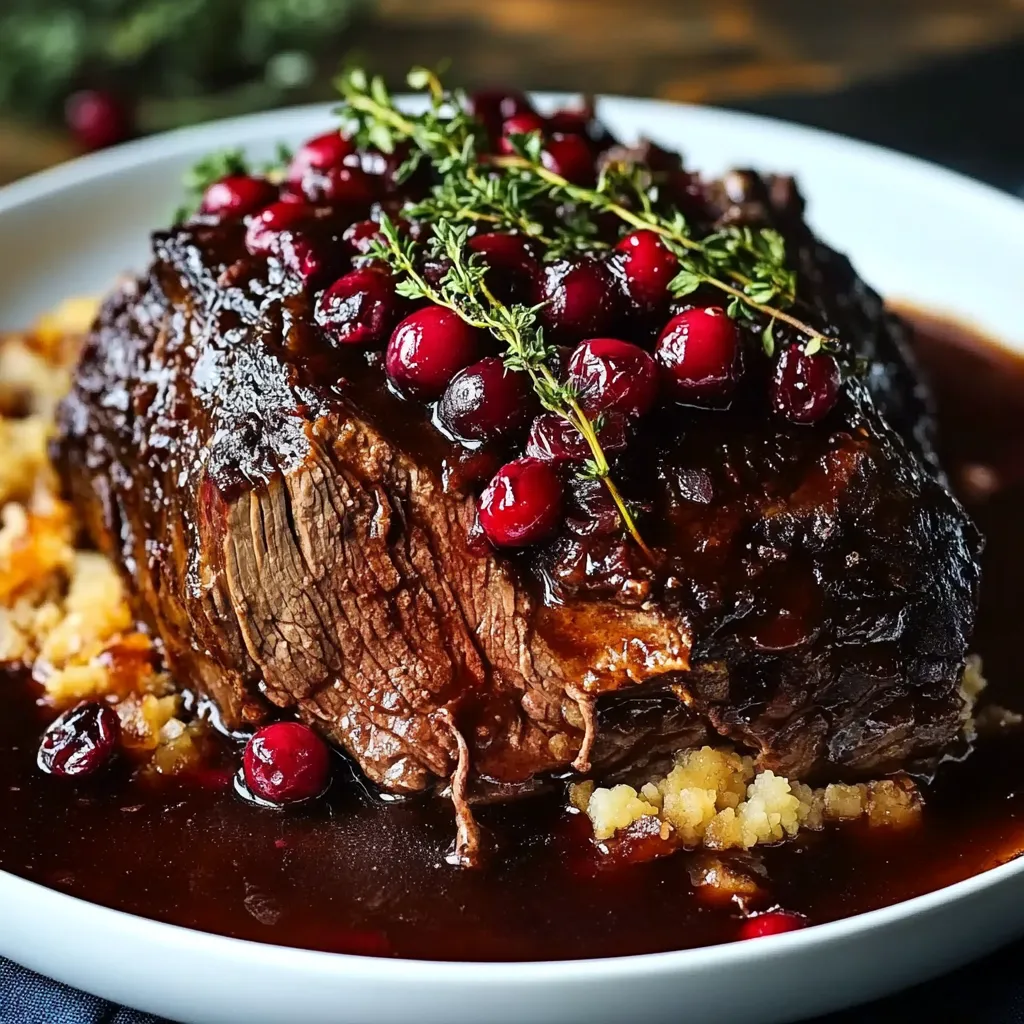
Few dinners feel as comforting and impressive as a perfectly braised beef roast emerging tender and aromatic from the oven. This slow braised beef roast dinner transforms a humble chuck roast into something extraordinary through the magic of low, slow cooking and a stunning cranberry balsamic glaze that balances sweet, tart, and tangy notes. The beef becomes so tender it practically falls apart, while the glaze reduces into a rich sauce that tastes complex and sophisticated.
What makes this dinner particularly special is how the cranberries and balsamic vinegar work together. The cranberries break down during braising, releasing their tart juice that mingles with the sweet-sharp balsamic and beef drippings to create layers of flavor you can’t achieve any other way. Ready for the oven in just 20 minutes of active prep, this roast then cooks hands-free for over three hours, making your home smell incredible while you attend to other things.
Why You’ll Love This Slow Braised Beef Roast Dinner
The braising method guarantees tender, juicy results every time. Chuck roast has plenty of connective tissue that turns meltingly tender during long, slow cooking in liquid. You can’t rush this process, but the payoff is beef that shreds easily with a fork and stays incredibly moist, nothing like the dry roast beef many people struggle with.
This dish actually improves when made ahead. The flavors deepen and meld as the roast sits in its braising liquid overnight in the refrigerator. Reheating gently brings everything back to life, and the fat that solidifies on top removes easily, giving you a cleaner, more refined sauce. This makes it perfect for entertaining since you can cook it a day early.
The cranberry balsamic combination feels festive without being overtly holiday-specific. While it works beautifully for Thanksgiving or Christmas, the flavors are sophisticated enough for any special dinner. The tart cranberries prevent the dish from feeling heavy despite the rich beef, and the balsamic adds complexity that elevates this beyond basic pot roast.
One roast feeds a crowd generously. A three to four pound chuck roast serves six to eight people with enough left over for sandwiches or grain bowls the next day. The per-serving cost stays reasonable despite the impressive presentation, making this practical for family dinners as well as entertaining.
Ingredients for Slow Braised Beef Roast Dinner
I always choose chuck roast for braising because it has the ideal ratio of meat to fat and connective tissue. Those qualities that make chuck tough when cooked quickly become advantages during slow braising, transforming into rich flavor and tender texture.
- 3 to 4 pounds beef chuck roast
- 1 1/2 teaspoons salt
- 1 teaspoon black pepper
- 2 tablespoons olive oil
- 1 large yellow onion, chopped
- 4 garlic cloves, minced
- 2 cups beef broth
- 1/2 cup balsamic vinegar
- 3 tablespoons brown sugar
- 1 1/2 cups whole cranberries (fresh or frozen)
- 4 to 5 sprigs fresh thyme
- 4 carrots, peeled and halved (optional)
Good-quality beef broth makes a noticeable difference in the final sauce. Look for low-sodium options so you can control the salt level yourself—the sauce reduces during cooking, which concentrates flavors including salt. Balsamic vinegar varies widely in quality; you don’t need an aged vinegar that costs fifty dollars, but a decent mid-range balsamic has better depth than the cheapest option.
Fresh cranberries work beautifully during their fall and winter season, but frozen cranberries are equally good and available year-round. Don’t thaw them before adding to the pot—they’ll release their juices gradually as they cook. Fresh thyme adds aromatic, earthy notes that complement both the beef and the fruit. The woody stems infuse the braising liquid, then you can discard them before serving.
How to Make Slow Braised Beef Roast Dinner
Proper searing creates the foundation of flavor for the entire dish. Take your time with this step to develop deep browning that translates to richness in the final sauce.
- Remove the beef from the refrigerator about 30 minutes before cooking so it comes closer to room temperature, which helps it cook more evenly. Pat the roast completely dry with paper towels—moisture prevents proper browning. Season all sides generously with salt and pepper, pressing the seasonings into the meat.
- Preheat your oven to 325°F. Heat a Dutch oven over medium-high heat and add the olive oil. When the oil shimmers, carefully add the seasoned roast. Sear without moving for 4-5 minutes per side until deep golden brown crust forms. Don’t skip any sides, including the edges—turn the roast with tongs to brown all surfaces. This caramelization creates complex flavors that permeate the entire dish. Transfer the seared roast to a plate.
- Reduce heat to medium and add the chopped onion to the Dutch oven. The onion will sizzle in the rendered beef fat and oil. Cook for 4-5 minutes, stirring occasionally, until the onion softens and turns translucent with golden edges. This aromatic base adds sweetness and depth to the braising liquid.
- Add the minced garlic and stir constantly for about one minute until fragrant. Garlic burns easily, so watch it carefully during this brief cooking time. The garlic should smell aromatic but not take on any brown color.
- Pour in the balsamic vinegar, which will bubble vigorously on contact with the hot pot. Use a wooden spoon to scrape up all the browned bits stuck to the bottom of the Dutch oven. These bits, called fond, contain concentrated flavor that enriches the sauce tremendously. Keep scraping and stirring as the vinegar reduces slightly, about 2 minutes.
- Add the beef broth and brown sugar, stirring until the sugar dissolves completely. The liquid should barely simmer. Carefully return the seared roast to the pot, nestling it into the liquid. The braising liquid should come about halfway up the sides of the roast—it doesn’t need to cover it completely since the pot’s tight-fitting lid traps steam that bastes the top.
- Scatter the cranberries around and over the roast. Tuck the fresh thyme sprigs into the liquid. If using carrots, arrange them around the roast so they’re partially submerged. The vegetables will braise alongside the beef, absorbing flavor while contributing their own sweetness.
- Cover the Dutch oven with its lid, making sure it seals tightly. Transfer to your preheated oven and braise for 3 to 3.5 hours. The roast is done when it’s fork-tender—you should be able to easily pull the meat apart with minimal resistance. Larger roasts closer to 4 pounds may need the full 3.5 hours, while smaller ones around 3 pounds might be ready after 3 hours. Check at the 3-hour mark by inserting a fork into the thickest part.
- Carefully remove the Dutch oven from the oven and transfer the roast to a cutting board. Tent it loosely with aluminum foil and let it rest for 10 minutes. This resting period allows the juices to redistribute throughout the meat so they don’t all run out when you slice.
- While the roast rests, address the braising liquid. Skim off excess fat from the surface using a large spoon—tilt the pot slightly to pool the fat on one side for easier removal. If you want a thicker glaze, place the Dutch oven over medium-high heat and simmer uncovered for 10-15 minutes until the sauce reduces to your desired consistency. It should coat the back of a spoon but still flow easily. Taste and adjust seasoning with additional salt and pepper if needed.
- Slice the roast against the grain into thick slices if it’s holding together well, or shred it into large chunks if it’s falling apart—both presentations work beautifully. Arrange the beef on a serving platter and spoon the cranberry balsamic glaze generously over the top. Garnish with fresh thyme sprigs if you like.
What to Serve with Slow Braised Beef Roast Dinner
This rich, flavorful roast calls for sides that complement its depth without competing for attention.
Creamy Mashed Potatoes: Classic mashed potatoes with butter and cream soak up the cranberry balsamic glaze perfectly. The smooth, rich potatoes provide comfort and substance while letting the complex sauce shine. Make them extra creamy to contrast with the tender but textured beef.
Roasted Root Vegetables: A mix of roasted parsnips, turnips, and sweet potatoes echoes the rustic, hearty nature of the braised beef. The caramelized edges from roasting add sweetness that pairs beautifully with the tart cranberries. Toss them with olive oil and herbs before roasting for extra flavor.
Garlic Green Beans: Simply sautéed green beans with garlic and a squeeze of lemon bring freshness and color to the plate. The crisp-tender beans provide textural contrast to the fall-apart beef, and the bright lemon cuts through the richness.
Crusty Bread or Dinner Rolls: Good bread is essential for mopping up every drop of that incredible glaze. Warm, crusty artisan bread or soft dinner rolls both work depending on the formality of your meal. The bread soaks up the sauce better than any other side.
Roasted Brussels Sprouts: Brussels sprouts roasted until crispy with balsamic glaze of their own tie into the flavors of the main dish. Their slight bitterness balances the sweet-tart sauce, and the crispy edges add textural interest.
Wild Rice Pilaf: Nutty wild rice mixed with herbs and toasted nuts provides an elegant base for the beef and sauce. The rice absorbs the glaze while contributing its own earthy flavor that complements both the beef and cranberries.
Pro Tips & Variations
Choose a roast with good marbling throughout. The fat renders during braising, keeping the meat moist and adding flavor to the sauce. Don’t trim the fat before cooking—it’s essential for the best results. You can skim excess fat from the finished sauce instead.
Sear the meat in batches if using two smaller roasts instead of one large one. Crowding the pot prevents proper browning and creates steam instead of a flavorful crust. Take the time to brown each piece properly.
Check the roast at the 3-hour mark even if you think it needs longer. Oven temperatures vary, and you want the beef tender but not falling apart into mush if you prefer sliceable roast. Once it crosses from tender to shredded, you can’t reverse it.
For an even thicker, more concentrated glaze, remove the roast after braising and reduce the sauce by half over medium-high heat. This creates an almost syrupy consistency that clings beautifully to the beef. Alternatively, whisk together a tablespoon of cornstarch with two tablespoons of cold water and stir this slurry into the simmering sauce.
Wine Addition: Add a cup of dry red wine along with the beef broth for deeper, more complex flavor. The wine adds tannins and acidity that enhance the beef while complementing the balsamic. Reduce the beef broth to one cup if adding wine.
Dried Fruit Variation: Add half a cup of dried cherries or golden raisins along with the cranberries for additional sweetness and complexity. Dried fruit plumps up beautifully during braising and adds interesting texture to the sauce.
Herb Options: Try rosemary instead of thyme for a more assertive herbal note, or use a combination of both. A bay leaf added to the braising liquid contributes subtle depth. Remove it before serving.
Spice It Up: Add a quarter teaspoon of crushed red pepper flakes or a pinch of cayenne to the braising liquid for subtle warmth that enhances rather than overwhelms. The heat balances the sweetness nicely.
Vegetables: Include quartered potatoes and parsnips along with the carrots to create a complete one-pot meal. Add heartier vegetables at the beginning of braising, but save delicate ones like mushrooms for the last hour so they don’t turn mushy.
Storage & Reheating Tips
Store leftover roast and sauce together in an airtight container in the refrigerator for up to 4 days. The beef continues absorbing flavor from the sauce as it sits, making leftovers even better. When cold, the fat solidifies on top of the sauce, making it easy to lift off and discard for a leaner finished dish.
Reheat gently on the stovetop over medium-low heat, adding a splash of beef broth if the sauce seems too thick. Stir occasionally and heat just until warmed through—overcooking at this stage can make the meat tough. You can also reheat individual portions in the microwave at reduced power.
This roast freezes beautifully for up to 3 months. Let it cool completely, then transfer the meat and sauce to freezer-safe containers or heavy-duty freezer bags. Squeeze out excess air and freeze flat for easier storage. Thaw overnight in the refrigerator before reheating gently.
Leftover roast transforms into fantastic sandwiches. Pile shredded beef on crusty rolls, drizzle with the cranberry balsamic glaze, and add sharp cheddar or provolone for a hot sandwich that’s completely different from the original meal.
Common Questions
Can I make this in a slow cooker? Yes, after searing the beef and sautéing the aromatics on the stovetop, transfer everything to a slow cooker. Cook on low for 8-10 hours or high for 4-5 hours until the beef is fork-tender. The oven method gives you more control over the braising liquid’s reduction, but slow cooker results are excellent for convenience.
What if I can’t find fresh cranberries? Frozen cranberries work perfectly and don’t need thawing. In a pinch, dried cranberries can substitute, though they’re sweeter and won’t break down the same way. Use 3/4 cup dried cranberries and add them for the last hour of cooking so they don’t turn mushy.
How do I know when the roast is done? The beef should be fork-tender, meaning a fork inserted into the meat pulls apart easily without sawing. The internal temperature will be well above the 145°F safe temperature for beef—braised beef needs to reach 195-205°F internally for the connective tissue to fully break down into gelatin.
Can I use a different cut of beef? Chuck roast is ideal because of its marbling and connective tissue, but beef brisket also braises beautifully using the same method. Avoid lean cuts like sirloin or round, which dry out during long cooking. You need cuts with sufficient fat and collagen.
Why is my sauce too thin? The sauce may be thin if your oven runs cool or if the lid didn’t seal tightly, preventing proper reduction. Simply simmer the sauce uncovered on the stovetop after removing the roast until it thickens to your liking. A cornstarch slurry also fixes thin sauce quickly.
This slow braised beef roast dinner brings together everything wonderful about cold-weather cooking—tender meat that falls apart at the touch of a fork, rich sauce with complex sweet-tart flavors, and a cooking method that fills your home with incredible aromas while requiring minimal active work. The cranberry balsamic glaze transforms a simple pot roast into something special enough for holidays while remaining approachable for regular weeknight dinners when you have time to let it braise.
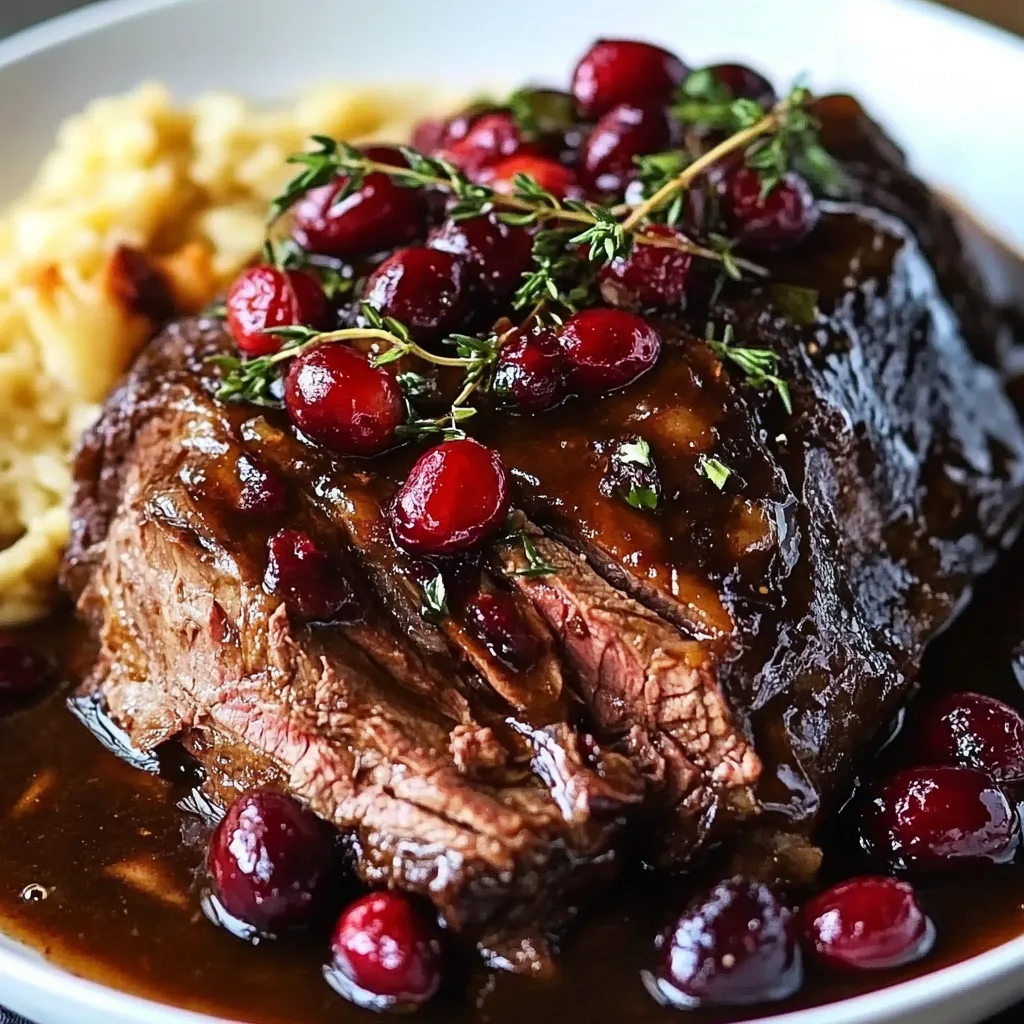
Slow-Braised Beef Roast with Cranberry Balsamic Glaze
Ingredients
Equipment
Method
- Preheat oven to 325°F. Remove beef from refrigerator 30 minutes before cooking to bring closer to room temperature. Pat roast completely dry with paper towels. Season all sides generously with salt and pepper, pressing seasonings into meat.
- Heat Dutch oven over medium-high heat and add olive oil. When oil shimmers, carefully add seasoned roast. Sear without moving for 4-5 minutes per side until deep golden brown crust forms on all surfaces, including edges. Transfer seared roast to plate.
- Reduce heat to medium. Add chopped onion to Dutch oven and cook for 4-5 minutes, stirring occasionally, until softened and translucent with golden edges.
- Add minced garlic and stir constantly for about 1 minute until fragrant. Watch carefully to prevent burning.
- Pour in balsamic vinegar, which will bubble vigorously. Use wooden spoon to scrape up all browned bits stuck to bottom of pot. Keep scraping and stirring as vinegar reduces slightly, about 2 minutes.
- Add beef broth and brown sugar, stirring until sugar dissolves completely. Return seared roast to pot, nestling it into liquid. Liquid should come about halfway up sides of roast.
- Scatter cranberries around and over roast. Tuck fresh thyme sprigs into liquid. If using carrots, arrange them around roast so they’re partially submerged.
- Cover Dutch oven with tight-fitting lid. Transfer to preheated oven and braise for 3 to 3.5 hours, until roast is fork-tender and pulls apart easily. Check at 3-hour mark. Larger roasts (closer to 4 lbs) may need full 3.5 hours.
- Carefully remove Dutch oven from oven. Transfer roast to cutting board, tent loosely with foil, and let rest for 10 minutes to allow juices to redistribute.
- While roast rests, skim excess fat from surface of braising liquid using large spoon. For thicker glaze, place Dutch oven over medium-high heat and simmer uncovered for 10-15 minutes until sauce reduces to desired consistency. Taste and adjust seasoning with salt and pepper.
- Slice roast against grain into thick slices, or shred into large chunks if falling apart. Arrange beef on serving platter and spoon cranberry balsamic glaze generously over top. Garnish with fresh thyme sprigs if desired.