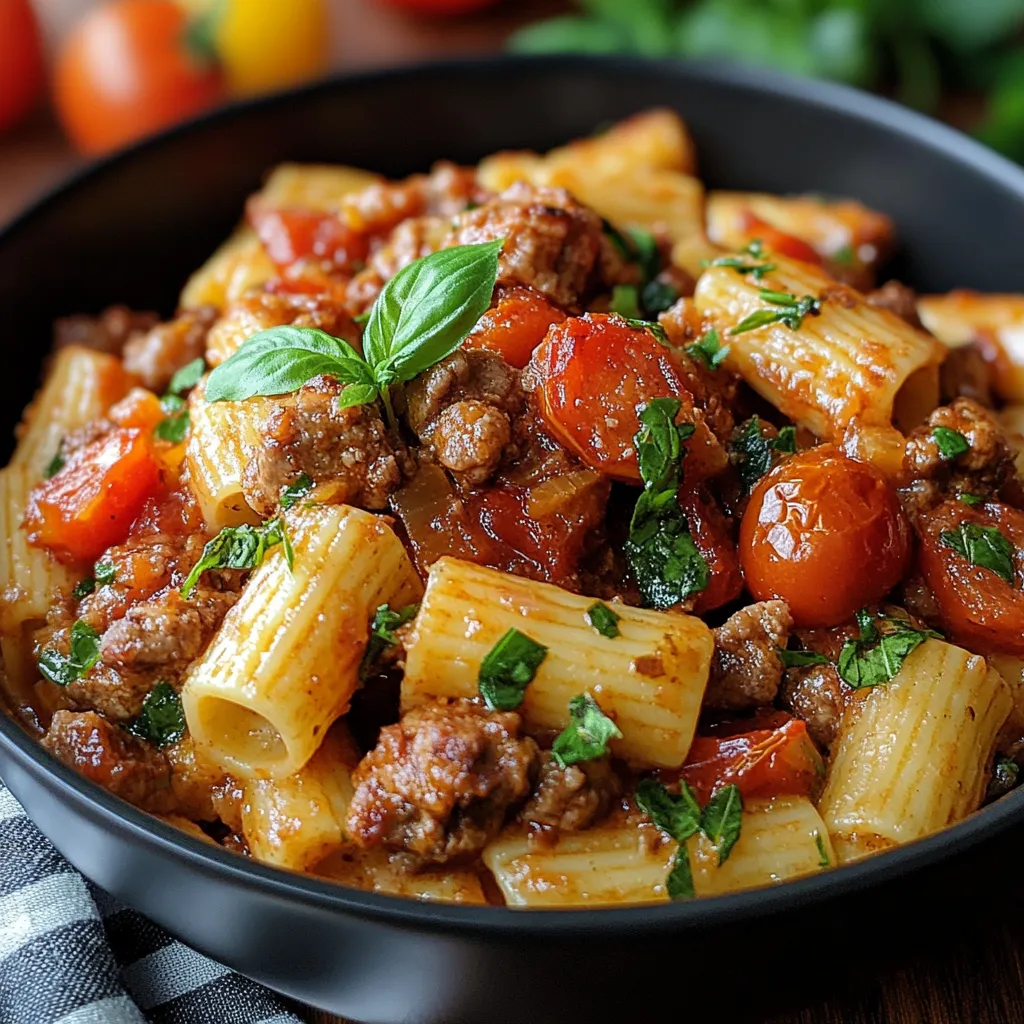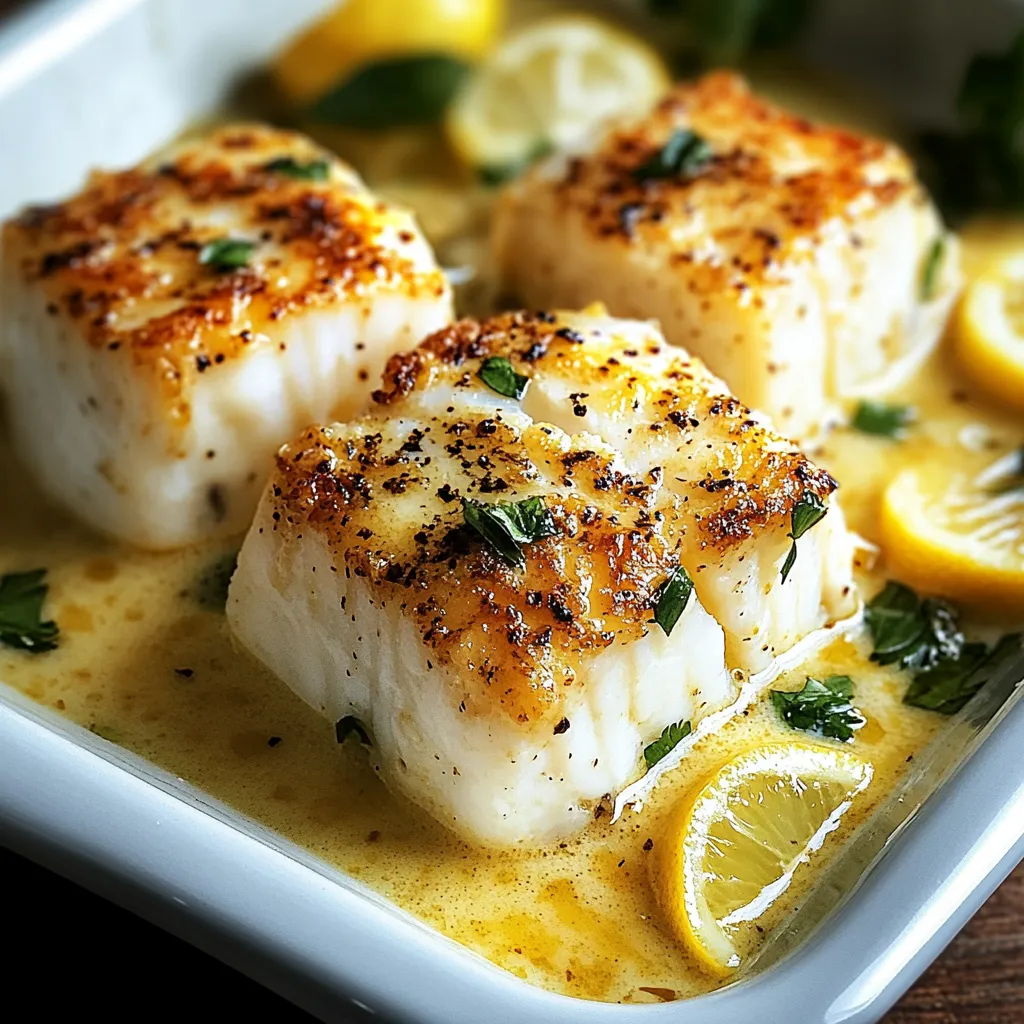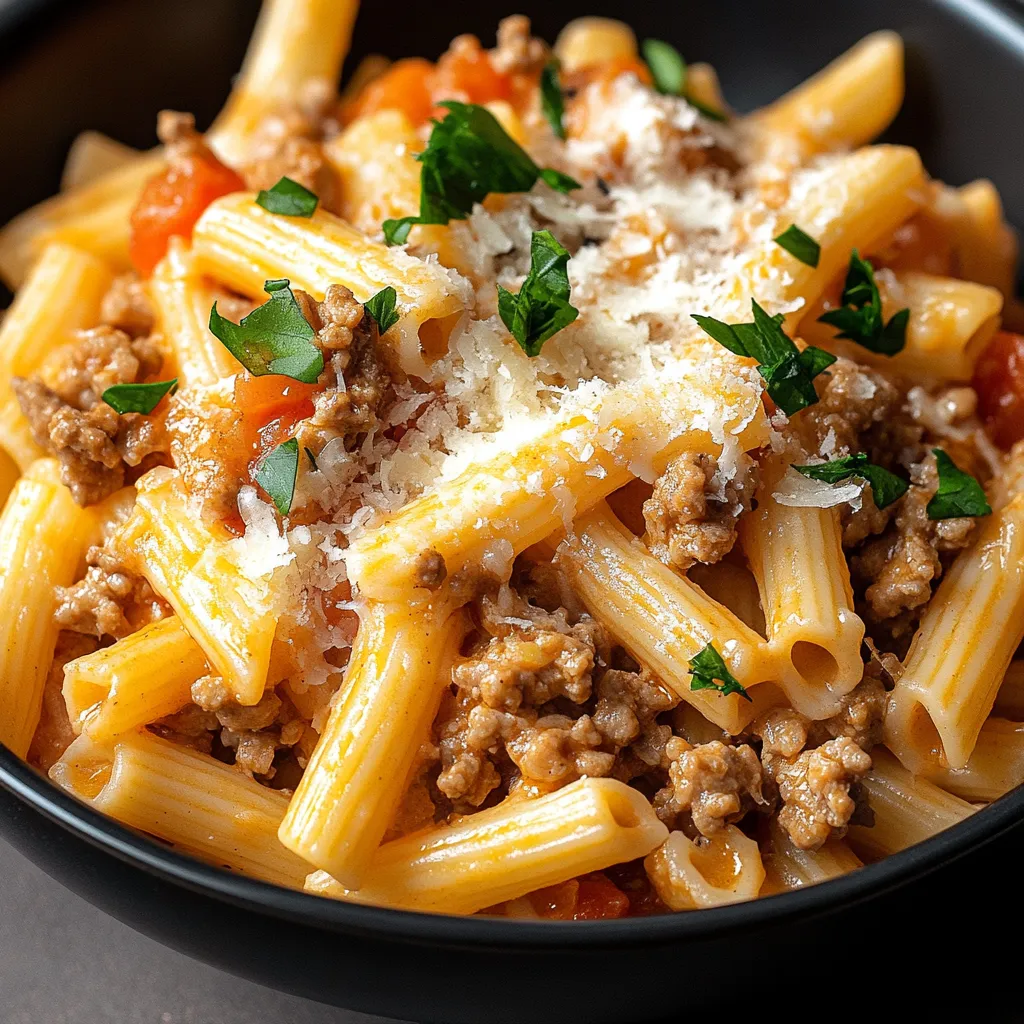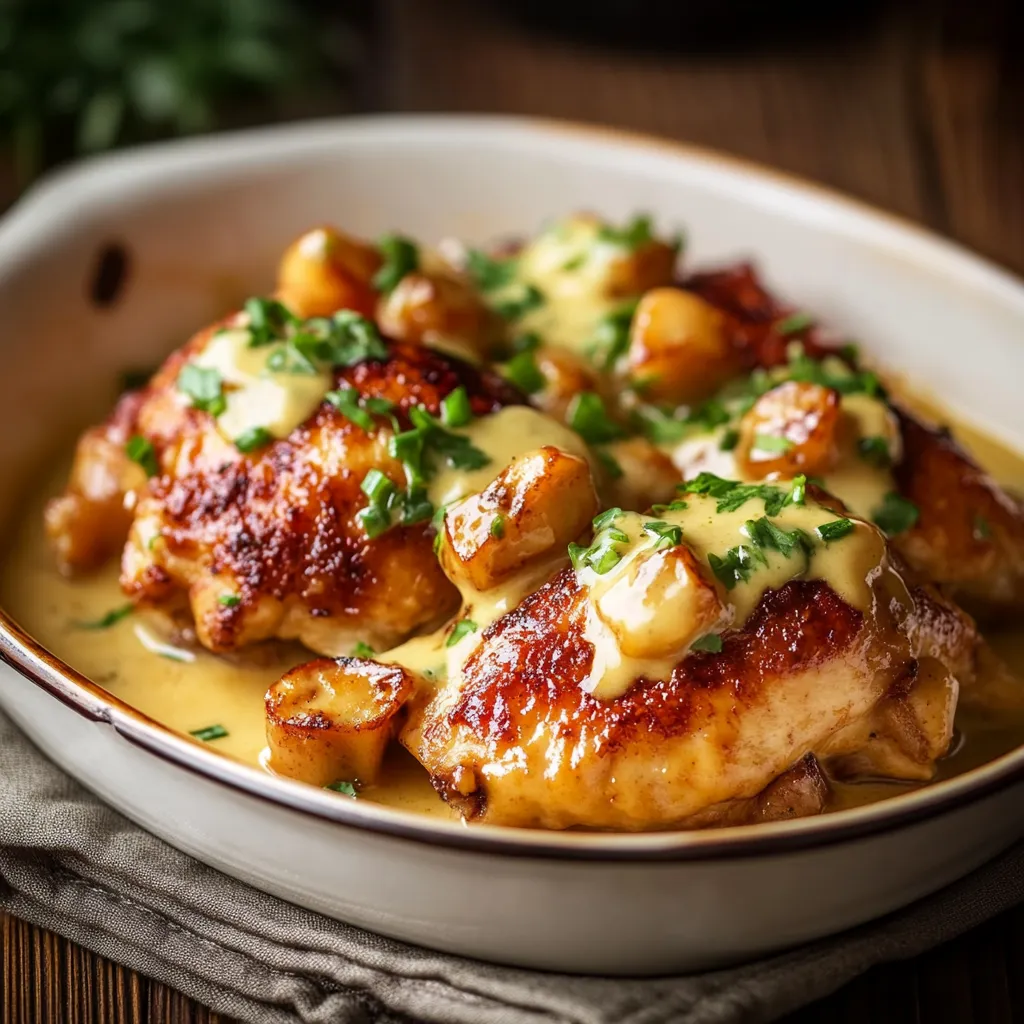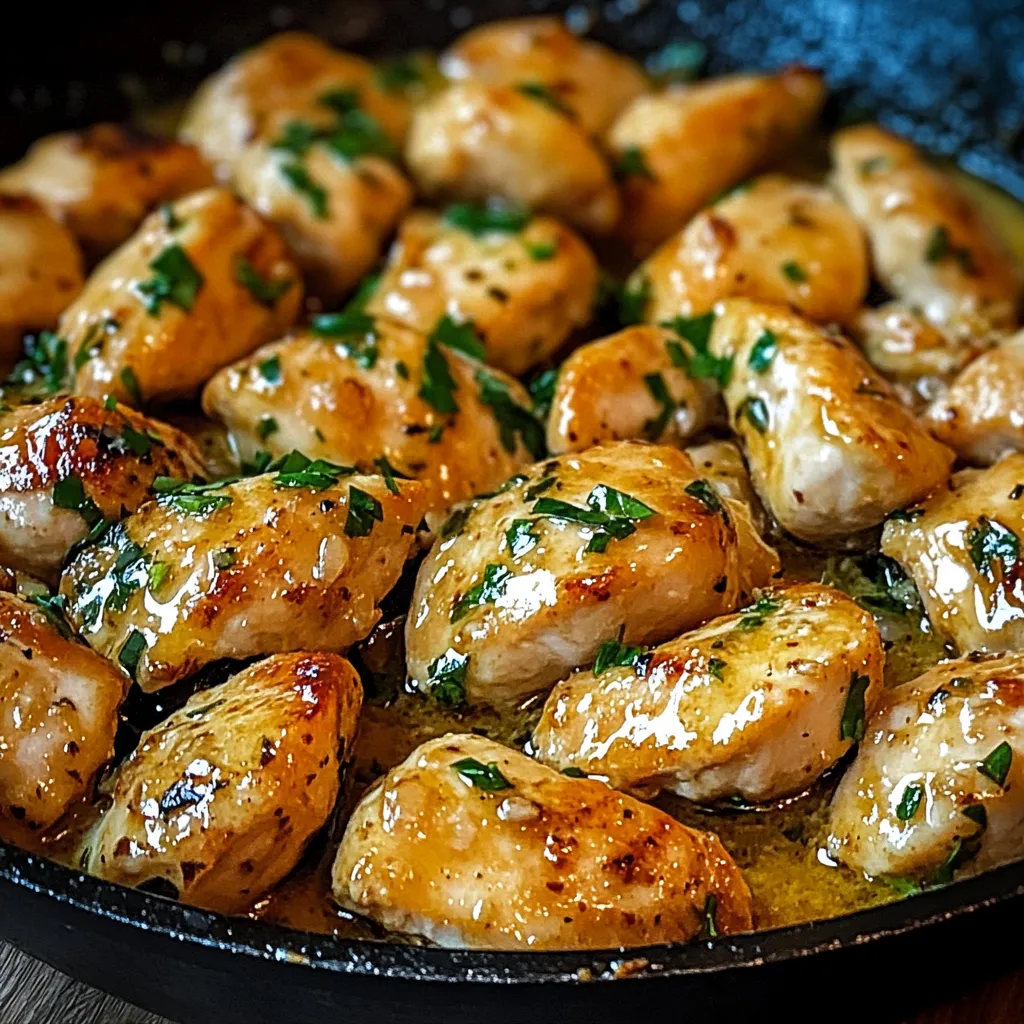
There’s something magical about chicken sizzling in a pan with butter and garlic that makes the whole house smell incredible. This garlic butter chicken skillet brings those irresistible Texas Roadhouse flavors straight to your kitchen in just 30 minutes. Tender chicken gets seared until golden, then smothered in a rich, garlicky cream sauce that’s practically begging to be soaked up with warm bread or mashed potatoes.
What makes this recipe so appealing is how restaurant-quality results come from everyday ingredients you probably already have on hand. The sauce develops deep flavor from the browned bits left in the pan after searing the chicken, creating layers of taste that seem far more complicated than the simple technique actually is. Whether it’s a busy Tuesday or a relaxed weekend dinner, this skillet meal delivers comfort and satisfaction every time.
Why You’ll Love This Garlic Butter Chicken Skillet
Everything happens in one skillet, which means you’re looking at minimal cleanup for maximum flavor. The garlic butter sauce is rich and creamy without being overly heavy, coating the chicken in a silky glaze that tastes like something you’d order at a steakhouse. Chicken stays incredibly moist thanks to the quick searing technique followed by gentle simmering in the sauce.
This recipe comes together faster than most takeout deliveries. From start to finish, you’re at the table in 30 minutes with a meal that looks and tastes impressive. The combination of butter, garlic, and cream creates that addictive savory richness that keeps everyone coming back for seconds.
You can easily customize the spice level or add your favorite herbs without changing the core recipe. The sauce is versatile enough to pair with almost any side dish, from simple rice to roasted vegetables. At roughly $12 for four generous servings, it’s a budget-friendly way to treat your family to steakhouse-inspired flavors.
Ingredients for Texas Roadhouse-Style Garlic Butter Chicken Skillet
I always reach for chicken thighs when making this recipe because they have more fat and stay juicier during cooking. The thighs also handle the high heat of searing better than breasts, giving you more room for error.
- 1.5 lbs boneless skinless chicken thighs or breasts
- 1 teaspoon salt
- 1/2 teaspoon black pepper
- 5 cloves garlic, minced
- 3 tablespoons butter
- 1 tablespoon olive oil
- 1/2 cup chicken broth
- 1/2 cup heavy cream
- 2 tablespoons chopped fresh parsley or chives
- 1/2 teaspoon paprika (optional)
Garlic preparation: Fresh garlic is essential here since it’s a star ingredient. Mince it finely so it distributes evenly throughout the sauce and doesn’t burn. Pre-minced jarred garlic works in a pinch, but fresh garlic has more punch and better flavor.
Butter quality: Use real butter, not margarine or spreads. European-style butter with higher fat content creates an even richer sauce, though standard unsalted butter works beautifully. Salted butter is fine too, just reduce the added salt slightly.
Cream choice: Heavy cream creates the silkiest, most luxurious sauce. Half-and-half can substitute if you want something lighter, though the sauce won’t be quite as thick or rich. Avoid milk as it’s too thin and can separate when simmered.
Chicken selection: If using chicken breasts, look for smaller ones or slice larger breasts in half horizontally to create thinner cutlets. This ensures they cook through in the same time as thighs without drying out. Thighs are more forgiving and flavorful, making them my top choice.
How to Make Garlic Butter Chicken Skillet
The key to restaurant-quality results is getting a proper sear on the chicken first. This creates a golden crust and leaves flavorful browned bits in the pan that become the foundation of your sauce.
1. Prep and season the chicken. Pat the chicken completely dry with paper towels—this is crucial for getting good browning. Season both sides generously with salt and black pepper. If using chicken breasts, pound them to an even thickness of about 3/4 inch so they cook uniformly.
2. Sear the chicken to golden perfection. Heat the olive oil in a large skillet over medium-high heat until it shimmers. The pan should be hot enough that the chicken sizzles immediately when it touches the surface. Place the chicken in the skillet without crowding—work in batches if needed. Sear for 4-5 minutes on the first side without moving the chicken around. You want a deep golden-brown crust to develop. Flip and sear the other side for another 4-5 minutes. The chicken doesn’t need to be fully cooked at this point since it will finish cooking in the sauce. Transfer the seared chicken to a plate and set aside.
3. Build the garlic base. Reduce the heat to medium to prevent the garlic from burning. Add the butter to the same skillet with all those beautiful browned bits still clinging to the bottom. Once the butter melts and starts to foam, add the minced garlic. Stir constantly for 1-2 minutes until the garlic becomes fragrant and turns light golden. The garlic should smell amazing but not be brown or burnt, which would make it bitter.
4. Deglaze and create the sauce. Pour in the chicken broth and use a wooden spoon or spatula to scrape up all the browned bits stuck to the bottom of the pan. These bits are pure flavor and will enrich your sauce significantly. Let the broth simmer for 2-3 minutes, reducing slightly. Add the heavy cream and stir everything together. The sauce will look thin at first but will thicken as it simmers. Let it bubble gently for 3-4 minutes until it coats the back of a spoon.
5. Finish cooking the chicken. Return the seared chicken along with any juices that accumulated on the plate back into the skillet. Spoon some of the sauce over the top of each piece. Let everything simmer together for 3-4 minutes, allowing the chicken to finish cooking through and absorb some of that garlicky goodness. The internal temperature should reach 165°F. If the sauce gets too thick, add a splash more broth or cream.
6. Garnish and serve. Remove the skillet from heat and sprinkle the fresh chopped parsley or chives over the top. If using paprika for color and a subtle smoky note, dust it lightly over the chicken. Serve immediately while the sauce is silky and the chicken is hot.
What to Serve with Garlic Butter Chicken Skillet
This rich, creamy chicken calls for sides that can soak up that incredible sauce while adding different textures to the plate.
Creamy Mashed Potatoes: Classic mashed potatoes are the perfect vehicle for that garlic butter sauce. Make them extra creamy with butter and cream, or keep them simple and let the chicken sauce do all the work. Either way, you’ll want plenty to soak up every last drop.
Buttery Egg Noodles: Wide egg noodles tossed with a little butter and salt become something special when topped with this garlicky chicken and sauce. The noodles catch the sauce in their ridges, ensuring every forkful is flavorful.
Warm Crusty Bread: A good baguette or sourdough loaf toasted and rubbed with garlic butter makes an excellent side. Use it to mop up the sauce that pools on your plate—nothing should go to waste.
Roasted Vegetables: Roasted broccoli, asparagus, or Brussels sprouts add color and a slight char that contrasts nicely with the creamy sauce. The vegetables provide freshness and keep the meal from feeling too heavy.
Caesar Salad: A crisp Caesar salad with crunchy romaine and tangy dressing cuts through the richness of the chicken. The acidity helps balance the butter and cream in the main dish.
Garlic Bread: Double down on the garlic theme with toasted garlic bread on the side. It’s indulgent but absolutely delicious for a special dinner or when you’re really craving comfort food.
Cheesy Grits: Creamy, cheesy grits make a Southern-style base for this chicken. The grits soak up the sauce beautifully and add another layer of comfort to the meal.
Pro Tips & Variations
Don’t overcrowd the pan: If your skillet isn’t large enough to fit all the chicken with space between pieces, sear in batches. Crowding the pan traps steam and prevents proper browning, leaving you with gray, steamed chicken instead of golden, seared pieces.
Control the garlic: Fresh garlic burns quickly at high heat, turning bitter. That’s why you reduce the temperature before adding it. If you love really intense garlic flavor, add an extra clove or two, but watch it carefully while it cooks.
Adjust sauce thickness: For a thicker sauce, let it simmer longer before returning the chicken. For a thinner, more pourable sauce, add extra chicken broth a tablespoon at a time until you reach your preferred consistency.
Add white wine: For extra depth, deglaze the pan with 1/4 cup of dry white wine before adding the broth. Let the wine reduce by half, then proceed with the broth and cream. This adds complexity and a subtle acidity.
Make it spicy: Stir in 1/4 teaspoon of red pepper flakes with the garlic for a gentle kick, or add more to taste. A dash of hot sauce in the cream also works well.
Use chicken breasts: If you prefer white meat, chicken breasts work fine but require more attention. Pound them thin and check for doneness early to avoid drying them out. Consider pulling them from the sauce a minute or two before they reach 165°F since they’ll continue cooking as they rest.
Mushroom variation: Sauté sliced mushrooms in the butter before adding the garlic for an earthy twist. Cremini or baby bella mushrooms work particularly well, adding umami and texture to the sauce.
Herb variations: Swap the parsley for fresh thyme, rosemary, or tarragon. Add woody herbs like thyme or rosemary to the sauce while it simmers, then garnish with fresh herbs at the end.
Storage & Reheating Tips
Store leftover chicken and sauce together in an airtight container in the refrigerator for up to 4 days. The sauce may thicken considerably as it cools, but it will loosen up again when reheated.
Reheat gently on the stovetop over low heat rather than in the microwave for best results. Add a splash of heavy cream, chicken broth, or even milk to thin the sauce back to its original consistency. Stir frequently and heat just until warmed through to prevent the cream from breaking.
If you must use the microwave, do so at 50% power in short 30-second bursts, stirring between each interval. Add a tablespoon of cream or broth before reheating to help maintain the sauce’s texture.
Freezing isn’t ideal for cream-based sauces as they can separate when thawed. If you do freeze it, use within 2 months and be prepared to whisk vigorously while reheating to bring the sauce back together. You may need to add fresh cream to restore smoothness.
Common Questions
Can I make this ahead of time? You can sear the chicken and prepare the sauce separately up to a day ahead, then combine and reheat when ready to serve. The texture and flavor hold up well, though the sauce may need a splash of cream when you reheat it.
What if I don’t have heavy cream? Half-and-half works but creates a thinner sauce. You can also make a mixture of 1/3 cup milk whisked with 2 tablespoons of melted butter and 1 tablespoon of flour for a makeshift cream substitute, though the flavor won’t be quite as rich.
How do I know when the chicken is done? The most reliable method is using an instant-read thermometer inserted into the thickest part of the chicken. It should read 165°F. Visual cues include clear juices and opaque, white meat with no pink remaining.
Can I use dried herbs instead of fresh? Dried parsley won’t give you the same fresh, bright flavor, but dried thyme, oregano, or Italian seasoning work well. Use about 1/3 the amount called for in fresh herbs since dried are more concentrated.
Why is my sauce too thin? The sauce needs time to simmer and reduce. Make sure you’re letting it bubble gently for the full 3-4 minutes before adding the chicken back. If it’s still thin, remove the chicken and let the sauce reduce a bit longer.
This garlic butter chicken skillet proves that simple ingredients can create something truly special when prepared with the right technique. The combination of perfectly seared chicken and that silky, garlicky sauce makes this a dinner you’ll want to make again and again.
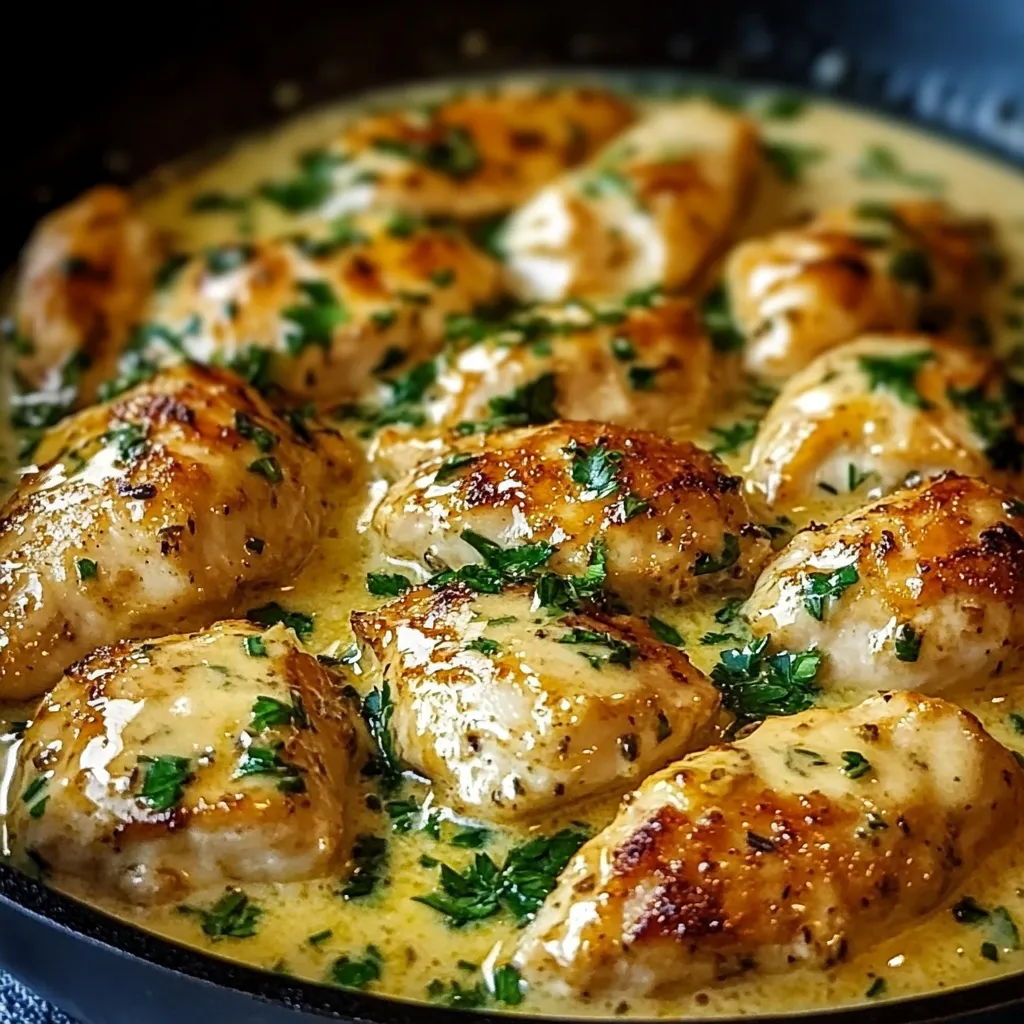
Texas Roadhouse-Style Garlic Butter Chicken Skillet
Ingredients
Equipment
Method
- Pat chicken completely dry with paper towels and season both sides generously with salt and black pepper. If using chicken breasts, pound to an even 3/4-inch thickness.
- Heat olive oil in a large skillet over medium-high heat until shimmering. Add chicken without crowding the pan and sear for 4-5 minutes per side until deep golden brown. The chicken doesn’t need to be fully cooked through. Transfer to a plate and set aside.
- Reduce heat to medium. Add butter to the same skillet. Once melted and foaming, add minced garlic and sauté for 1-2 minutes, stirring constantly, until fragrant and light golden. Do not let it burn.
- Pour in chicken broth and use a wooden spoon to scrape up all the browned bits from the bottom of the pan. Let simmer for 2-3 minutes to reduce slightly.
- Add heavy cream and stir to combine. Let the sauce simmer gently for 3-4 minutes until it thickens slightly and coats the back of a spoon.
- Return the seared chicken and any accumulated juices to the skillet. Spoon sauce over the chicken and let simmer for 3-4 minutes until the chicken reaches an internal temperature of 165°F and the sauce is glossy.
- Remove from heat and garnish with fresh chopped parsley or chives and paprika if using. Serve immediately while hot.