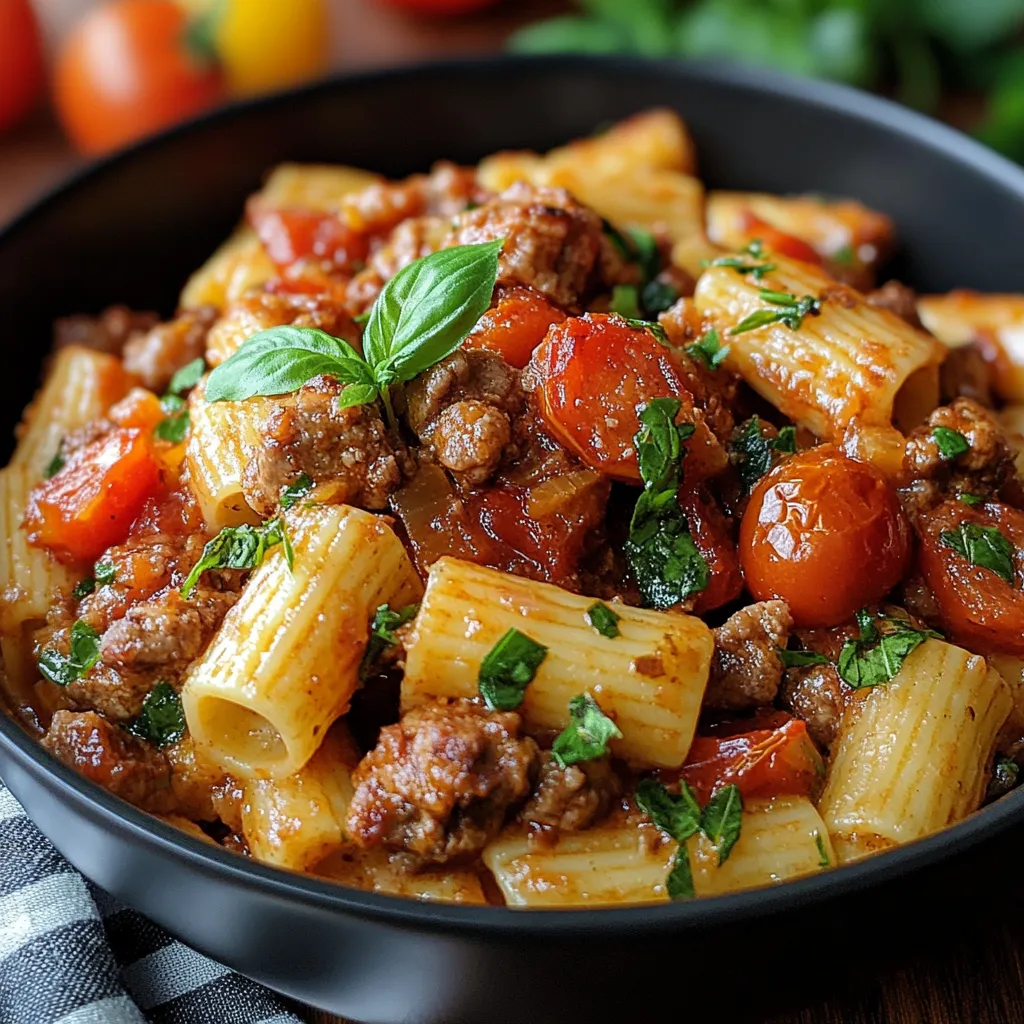
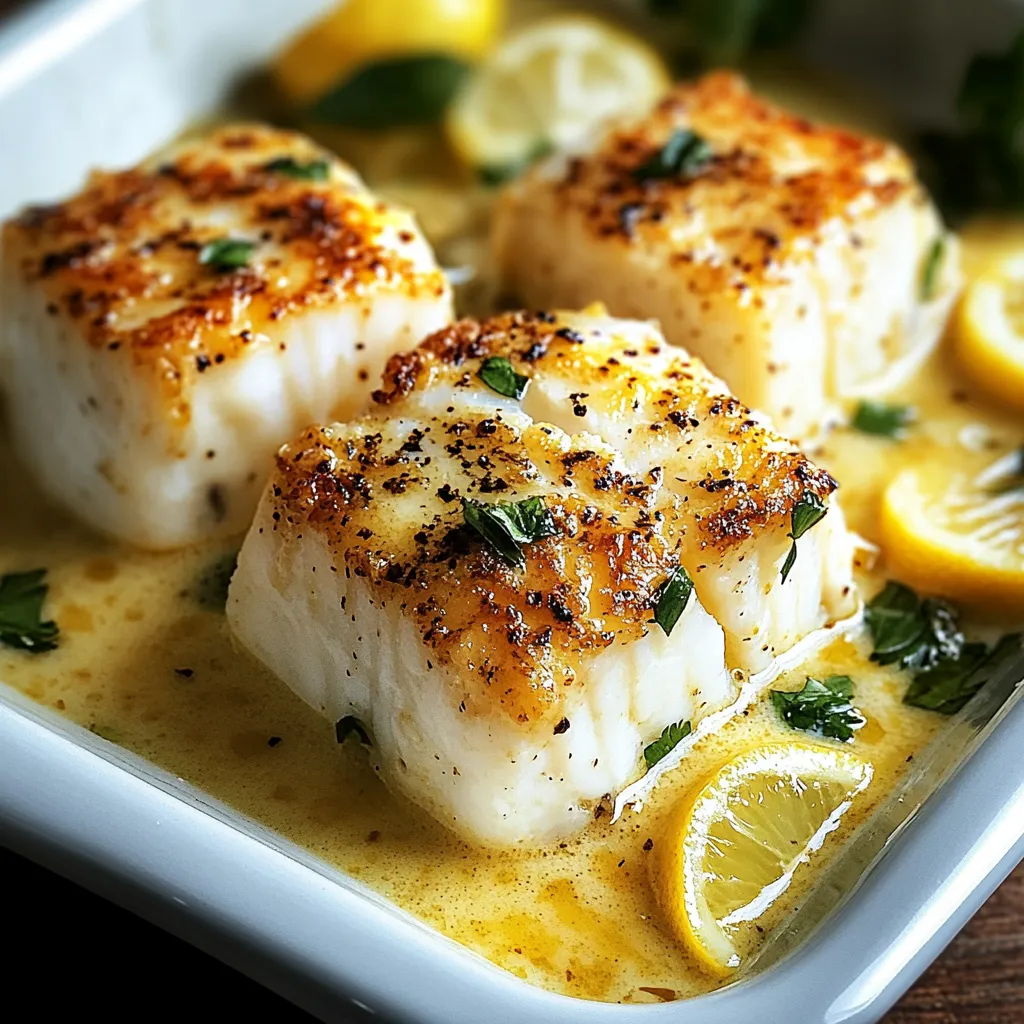
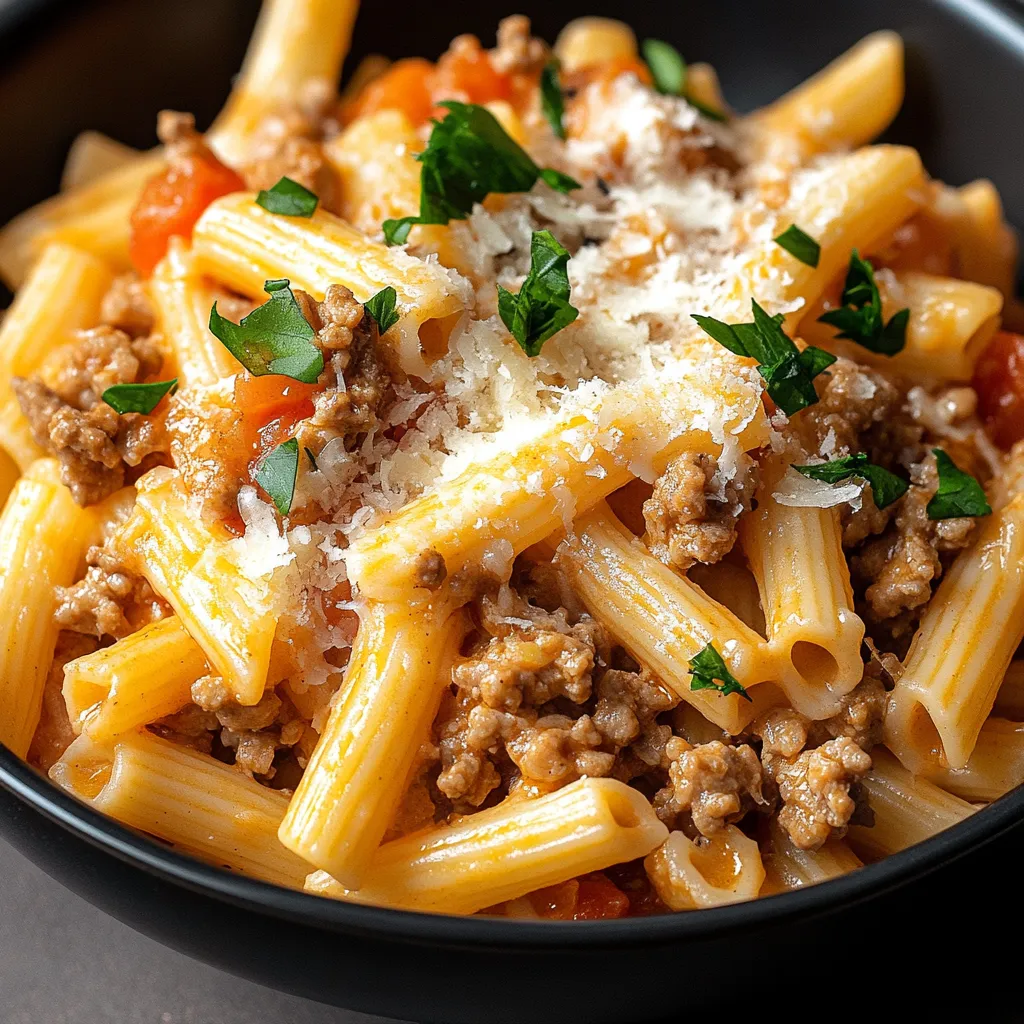
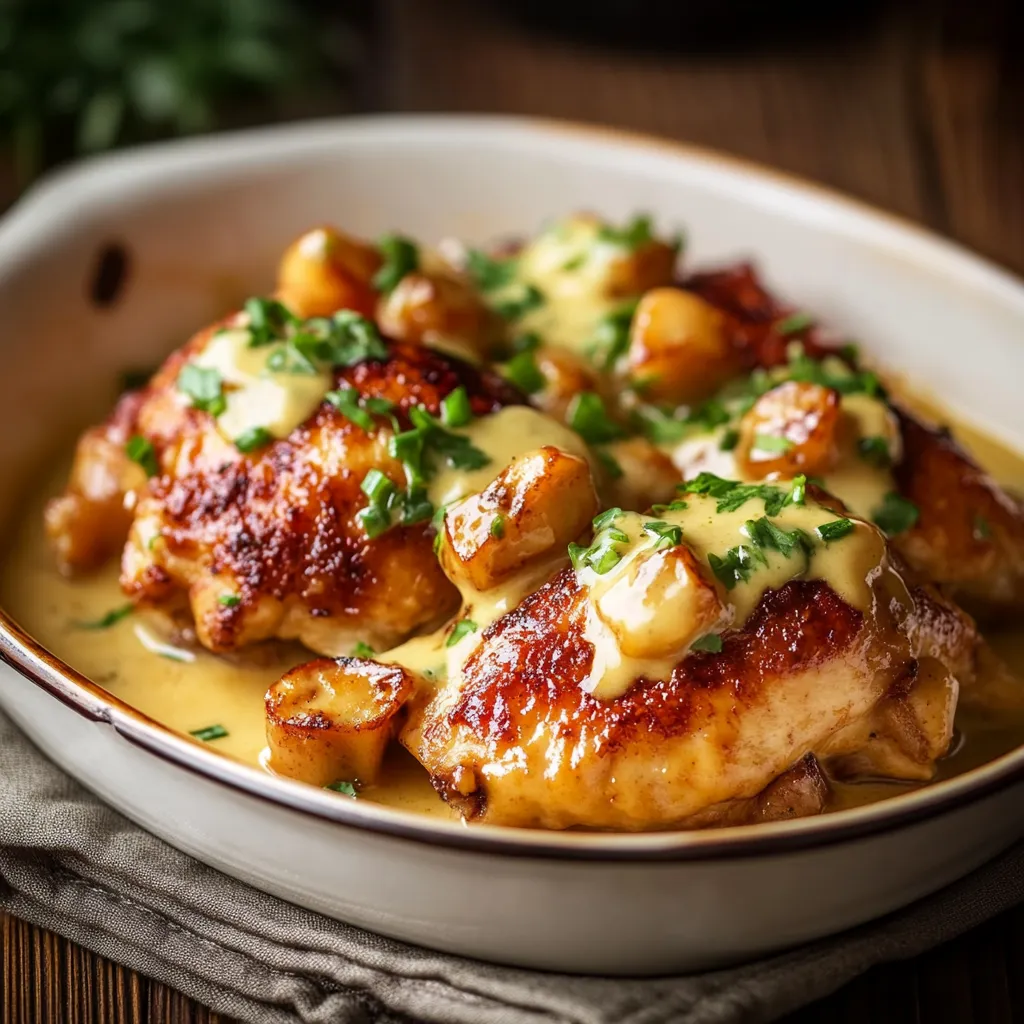
There’s something special about chicken with a golden Parmesan crust that makes dinner feel like an event. This recipe takes simple chicken breasts and transforms them into something you’d expect at an Italian restaurant, complete with a silky garlic cream sauce that ties everything together. The contrast between the crispy, herb-flecked coating and the rich sauce creates layers of texture and flavor that keep every bite interesting. It’s surprisingly straightforward for how impressive it looks on the plate, making it ideal for those nights when you want to serve something memorable without spending hours in the kitchen. Whether you’re cooking for family or entertaining guests, this dish delivers restaurant-quality results in just 35 minutes.
Why You’ll Love This Parmesan Crusted Chicken
The crispy Parmesan coating stays crunchy even after you spoon the creamy sauce over it, giving you that satisfying texture contrast in every bite. You’ll appreciate how the garlic powder in the crust and the fresh garlic in the sauce work together without overwhelming the dish. The chicken stays incredibly moist thanks to pounding it to an even thickness, which means no more dry, overcooked edges while the center finally catches up. This recipe is flexible enough to scale up for a dinner party or down for a quiet weeknight meal, and the sauce comes together in the same pan you used for the chicken, cutting down on cleanup. The high protein content makes it filling without feeling heavy, especially if you pair it with lighter sides. Leftovers hold up well, and you can even prep the chicken with its coating a few hours ahead, then just cook it when you’re ready to eat.
Ingredients for Parmesan Crusted Chicken with Creamy Garlic Sauce
I use Panko breadcrumbs whenever possible because they create a lighter, crunchier crust than regular breadcrumbs. The texture difference is noticeable. For the Parmesan, freshly grated works best since pre-grated cheese often contains anti-caking agents that prevent it from sticking properly to the chicken.
For the Chicken:
- 4 boneless, skinless chicken breasts, pounded to even thickness
- ½ cup grated Parmesan cheese
- ¼ cup breadcrumbs (Panko preferred)
- 1 tsp garlic powder
- 1 tsp dried oregano
- 2 tbsp olive oil
- Salt and black pepper, to taste
For the Creamy Garlic Sauce:
- 3 cloves garlic, minced
- 1 cup heavy cream
- ½ cup chicken broth
- ¼ cup grated Parmesan cheese
- 1 tbsp butter
- Fresh parsley, chopped for garnish
Ingredient Notes:
Pounding the chicken to an even thickness is crucial here. I place each breast between two sheets of plastic wrap and use a meat mallet to gently pound it until it’s about ¾ inch thick throughout. This ensures the chicken cooks evenly and the crust doesn’t burn before the inside is done. Choose full-fat heavy cream rather than light cream since the fat content helps the sauce thicken properly and gives it that luxurious texture. Low-sodium chicken broth gives you better control over the final seasoning. Fresh parsley adds a bright finish that cuts through the richness, though you could also use fresh basil if that’s what you have on hand.
How to Make Parmesan Crusted Chicken with Creamy Garlic Sauce
In my experience, pressing the coating mixture firmly onto the chicken makes all the difference in getting it to stay put during cooking. Don’t rush this step.
- Prepare the coating: In a shallow dish, mix together the Parmesan cheese, breadcrumbs, garlic powder, and dried oregano until evenly combined. Season each chicken breast on both sides with salt and black pepper.
- Coat the chicken: Take one chicken breast at a time and press it into the Parmesan mixture, coating both sides thoroughly. Use your hands to press the coating firmly onto the surface so it adheres well. Set the coated chicken aside on a clean plate and repeat with the remaining breasts.
- Sear until golden: Heat the olive oil in a large skillet over medium-high heat until it shimmers. Carefully place the coated chicken breasts in the pan, making sure not to crowd them. Cook for 5 to 7 minutes on the first side without moving them, allowing a golden crust to form. Flip carefully and cook for another 5 to 7 minutes until the second side is equally golden and the internal temperature reaches 165°F. Remove the chicken to a plate and tent loosely with foil to keep warm.
- Build the sauce base: Reduce the heat to medium and add the butter to the same skillet. Once melted, add the minced garlic and sauté for about 1 minute, stirring constantly so it doesn’t burn. The garlic should become fragrant and just barely golden.
- Create the cream sauce: Pour in the chicken broth first, scraping up any browned bits from the bottom of the pan with a wooden spoon. Add the heavy cream and bring the mixture to a gentle simmer. Let it cook for 3 to 5 minutes, stirring occasionally, until the sauce begins to thicken enough to coat the back of a spoon.
- Finish and serve: Stir in the remaining ¼ cup of Parmesan cheese, whisking until it melts completely and the sauce becomes smooth. Taste and adjust the seasoning with salt and pepper if needed. Return the chicken breasts to the skillet, spooning the creamy sauce over each piece. Let them warm through for a minute or two, then garnish with chopped fresh parsley before serving.
Watch the heat carefully when making the sauce. If it gets too hot, the cream can break and become grainy. A gentle simmer is all you need to thicken it properly.
What to Serve with Parmesan Crusted Chicken
This rich, creamy chicken pairs well with sides that balance the sauce’s richness or provide something to soak it up.
Buttered Fettuccine: Classic fettuccine tossed with butter and a little pasta water is perfect for catching all that creamy garlic sauce. The neutral pasta lets the chicken and sauce remain the stars of the plate.
Garlic Roasted Asparagus: Tender asparagus spears roasted with garlic and olive oil add a fresh, slightly bitter note that cuts through the cream. The roasted garlic flavor ties in beautifully with the sauce.
Mashed Cauliflower: Creamy mashed cauliflower offers a lighter alternative to potatoes while still providing that comforting, smooth texture. It absorbs the sauce nicely and keeps the meal from feeling too heavy.
Simple Arugula Salad: Peppery arugula dressed with lemon juice and olive oil provides a bright, acidic contrast that refreshes your palate between bites. The sharpness of the greens balances the richness of the dish.
Crusty Italian Bread: A warm loaf of crusty bread is essential for mopping up every last bit of that garlic cream sauce. It’s the easiest side and arguably the most satisfying.
Roasted Cherry Tomatoes: Sweet roasted cherry tomatoes burst with flavor and add a pop of color to the plate. Their acidity helps balance the richness of the Parmesan and cream.
Sautéed Spinach: Quickly wilted spinach with a squeeze of lemon keeps things light and adds nutrients without competing with the main dish. I like to cook it in the same pan after plating the chicken to save on dishes.
Pro Tips & Variations
Even Cooking Trick: Use a meat thermometer to check for doneness rather than relying on timing alone. Insert it into the thickest part of the chicken—165°F means it’s perfectly cooked and still juicy.
Extra Crispy Crust: After coating the chicken, let it sit on a wire rack for 10 minutes before cooking. This helps the coating set and creates an even crispier crust when it hits the hot oil.
Make-Ahead Option: Coat the chicken breasts up to 4 hours in advance and refrigerate them on a plate covered with plastic wrap. When you’re ready to cook, bring them to room temperature for 10 minutes first so they cook evenly.
Lighter Version: Swap half the heavy cream for half-and-half or whole milk. The sauce will be thinner but still delicious. You can also add a tablespoon of cream cheese to help it thicken without extra cream.
Protein Swaps: This coating and sauce work beautifully with boneless pork chops or turkey cutlets. Adjust cooking time based on thickness—pork should reach 145°F and turkey should reach 165°F.
Gluten-Free Adaptation: Use gluten-free Panko breadcrumbs or crushed gluten-free crackers in place of regular breadcrumbs. The texture will be slightly different but still crispy.
Herb Variations: Replace the oregano with Italian seasoning for a more complex herb profile, or try fresh thyme leaves in the sauce for an earthy note. Fresh basil added at the end brightens everything up.
Spicy Kick: Add a pinch of red pepper flakes to the sauce while it simmers for a subtle heat that plays nicely with the garlic and cream.
Storage & Reheating Tips
Store leftover chicken and sauce separately if possible to prevent the crust from getting soggy. Place the chicken in an airtight container and keep the sauce in a separate container, both refrigerated for up to 3 days. To reheat the chicken and maintain some of that crispy texture, I place it on a baking sheet and warm it in a 350°F oven for about 10 minutes. Reheat the sauce gently on the stovetop over low heat, whisking in a splash of chicken broth or cream if it’s too thick. You can also reheat everything together in a covered skillet over medium-low heat, though the crust won’t be as crispy. The sauce freezes reasonably well for up to a month, but the chicken with its coating doesn’t freeze as successfully since the breading tends to get mushy when thawed. Use leftover chicken sliced over a Caesar salad, tucked into a sandwich with fresh greens, or chopped and tossed with pasta and vegetables.
Common Questions
Can I use chicken thighs instead of breasts? Yes, boneless skinless thighs work great with this recipe. They’re naturally more forgiving and tend to stay juicy. Cook them for about the same amount of time, checking that the internal temperature reaches 165°F.
What if my sauce is too thin? Let it simmer a bit longer to reduce and thicken naturally. You can also whisk in an extra tablespoon of Parmesan cheese, which helps thicken it while adding more flavor. A small amount of cornstarch slurry works too, but go easy.
Can I make this without heavy cream? You can use half-and-half or a mixture of milk and cream cheese for a lighter sauce. The texture won’t be quite as rich, but it will still taste good. Greek yogurt mixed with a little flour can also work if you add it off the heat.
Why does my coating fall off during cooking? Make sure the chicken is dry before coating it, and press the mixture firmly onto the surface. Avoid moving the chicken around in the pan once you’ve placed it—let it sear undisturbed so the crust can set properly.
How do I prevent the garlic from burning? Keep the heat at medium when sautéing the garlic and stir it constantly. It only needs about a minute to become fragrant. If it starts to brown too quickly, pull the pan off the heat for a few seconds.
This recipe manages to feel indulgent without being complicated, which is exactly what you want when you’re looking for something special that still fits into a busy schedule. The combination of crispy Parmesan coating and smooth garlic cream sauce makes it feel like a treat every time you make it. Give this one a try when you want to elevate your weeknight dinner routine.
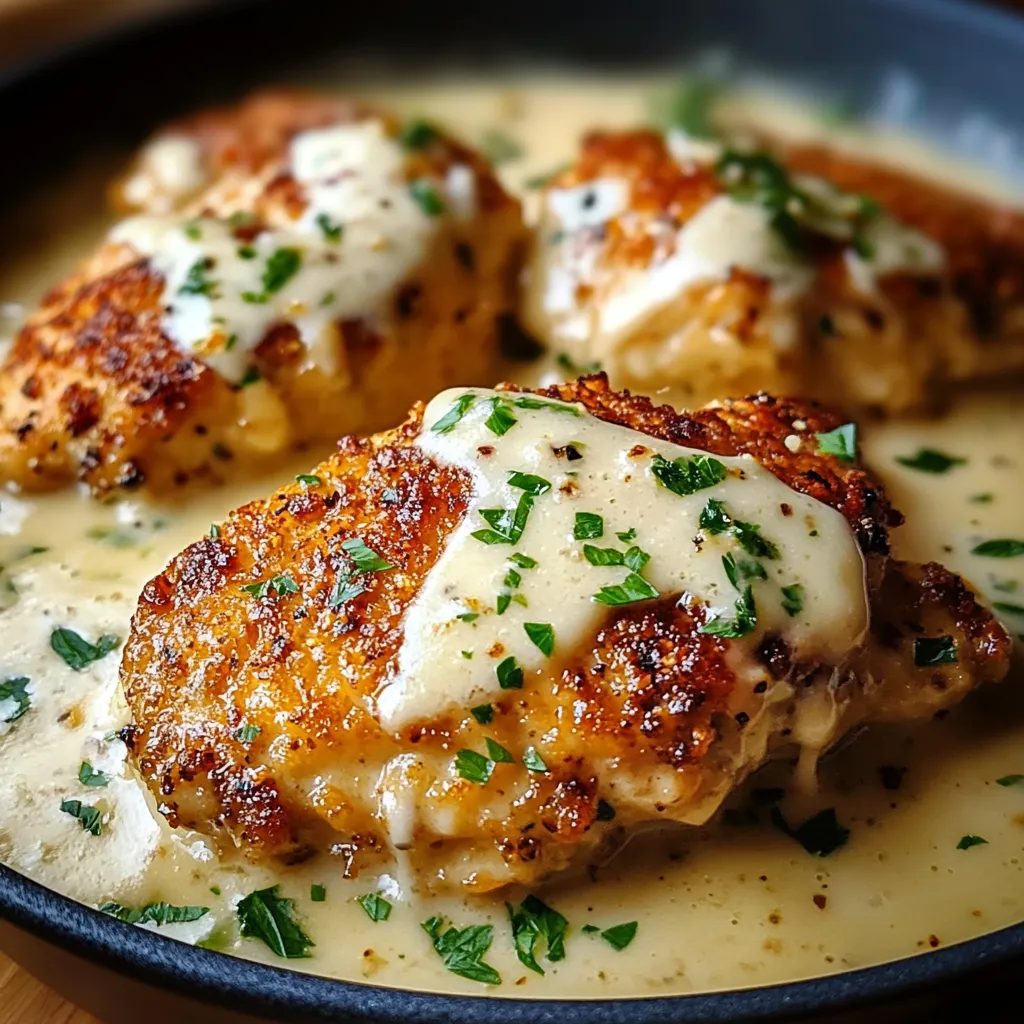
Parmesan Crusted Chicken with Creamy Garlic Sauce
Ingredients
Equipment
Method
- In a shallow dish, mix together the Parmesan cheese, breadcrumbs, garlic powder, and dried oregano until evenly combined. Season each chicken breast on both sides with salt and black pepper.
- Take one chicken breast at a time and press it into the Parmesan mixture, coating both sides thoroughly. Use your hands to press the coating firmly onto the surface so it adheres well. Set aside on a clean plate and repeat with remaining breasts.
- Heat the olive oil in a large skillet over medium-high heat until shimmering. Carefully place the coated chicken breasts in the pan without crowding. Cook for 5 to 7 minutes on the first side without moving them, allowing a golden crust to form. Flip carefully and cook for another 5 to 7 minutes until the second side is golden and the internal temperature reaches 165°F. Remove chicken to a plate and tent loosely with foil.
- Reduce heat to medium and add butter to the same skillet. Once melted, add the minced garlic and sauté for about 1 minute, stirring constantly until fragrant but not browned.
- Pour in the chicken broth, scraping up any browned bits from the bottom of the pan with a wooden spoon. Add the heavy cream and bring the mixture to a gentle simmer. Let it cook for 3 to 5 minutes, stirring occasionally, until the sauce begins to thicken enough to coat the back of a spoon.
- Stir in the remaining ¼ cup of Parmesan cheese, whisking until it melts completely and the sauce becomes smooth. Taste and adjust seasoning with salt and pepper if needed.
- Return the chicken breasts to the skillet, spooning the creamy sauce over each piece. Let them warm through for a minute or two, then garnish with chopped fresh parsley before serving.