There’s something wonderful about a dinner that looks and tastes impressive but comes together in about 30 minutes from start to finish. This Baked Cod in Coconut Lemon Cream Sauce delivers exactly that—tender, flaky fish bathed in a creamy sauce that’s both bright and comforting at the same time. The combination of coconut milk and fresh lemon creates a flavor profile that feels tropical and fresh, while the turmeric adds warmth and that beautiful golden color.
This recipe works perfectly for busy weeknights when you want something healthy and satisfying without spending an hour in the kitchen. The oven does most of the work, and you’re left with a protein-rich dinner that feels special enough for guests but easy enough for a regular Tuesday.
Why You’ll Love This Baked Cod in Coconut Lemon Cream Sauce
This dinner comes together in just 30 minutes, making it ideal for those evenings when time is tight but you still want something better than takeout. The sauce is naturally dairy-free thanks to the coconut milk, so it works well for anyone avoiding dairy while still delivering that creamy, indulgent texture.
The flavors strike a perfect balance between rich and refreshing. The coconut milk provides body and subtle sweetness, while the lemon juice and zest cut through with brightness. Fresh ginger and garlic add depth without overwhelming the delicate cod, and the turmeric brings both color and anti-inflammatory benefits.
Cod is an excellent lean protein that cooks quickly and absorbs the sauce beautifully. It’s also budget-friendly compared to other seafood options and widely available at most grocery stores. The recipe is incredibly forgiving—if you slightly overcook the fish, the creamy sauce helps keep it moist.
You can easily double this recipe for meal prep or entertaining, and it reheats surprisingly well for a fish dish. The complete meal requires minimal cleanup since everything bakes in one dish.
Ingredients for Baked Cod in Coconut Lemon Cream Sauce
I always use full-fat coconut milk for this recipe rather than the light version. The extra richness creates a sauce that clings to the fish and has better flavor. Look for a brand without added gums or thickeners—the ingredient list should be just coconut and water.
The Protein:
- 4 cod fillets, approximately 6 oz each
- Salt and black pepper, to taste
The Cream Sauce:
- 1 can (13.5 oz) full-fat coconut milk
- 2 cloves garlic, minced
- 1 tbsp fresh ginger, grated
- 1 tsp turmeric powder
- 1/2 tsp red pepper flakes, optional
The Zesty Finish:
- 1 large lemon, juiced and zested
- 1 tbsp honey or maple syrup
- Fresh cilantro or parsley, chopped
- Sliced green onions for garnish
About the Cod: Choose fillets that are roughly the same thickness so they cook evenly. If your fillets are particularly thick (over an inch), you may need a few extra minutes in the oven. Fresh or properly thawed frozen cod both work well—just make sure frozen fillets are completely thawed and patted very dry.
Coconut Milk Note: Shake the can well before opening. Sometimes the cream separates from the liquid, and you want both components mixed together for a smooth sauce. I prefer Thai Kitchen or Native Forest brands for their clean flavor and good consistency.
Fresh vs. Dried Ginger: Fresh ginger makes a real difference here. The bright, spicy notes complement the lemon beautifully. If you must substitute, use about half a teaspoon of dried ginger, though the flavor won’t be quite as vibrant.
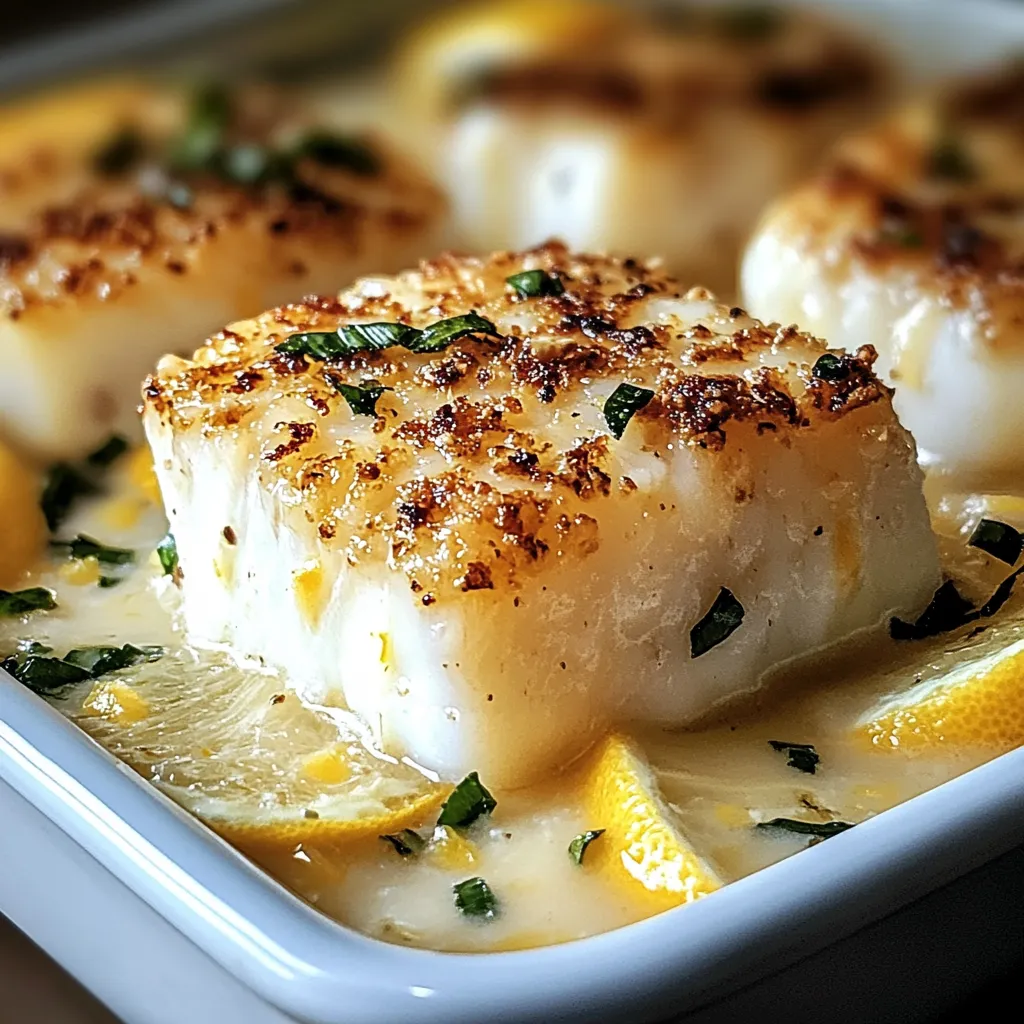
How to Make Baked Cod in Coconut Lemon Cream Sauce
The beauty of this dish is in the simplicity—you’re essentially making a flavorful sauce and letting the oven do the rest. The key is getting your fish properly seasoned and arranging it so the sauce can surround each piece.
Preheat and prep. Set your oven to 400°F and lightly grease a 9×13-inch baking dish with oil or cooking spray. This temperature is hot enough to cook the fish quickly without drying it out, while also allowing the sauce to bubble and reduce slightly.
Prepare the fish. Pat the cod fillets completely dry with paper towels—this is important because excess moisture will dilute your sauce. Season both sides generously with salt and black pepper. Arrange the fillets in a single layer in your prepared baking dish with a bit of space between each piece.
Build the sauce. In a medium bowl, combine the coconut milk, minced garlic, grated ginger, turmeric, red pepper flakes (if using), lemon juice, lemon zest, and honey. Whisk everything together until smooth and well incorporated. The sauce should be a beautiful golden color from the turmeric.
Combine and bake. Pour the coconut lemon mixture evenly over the cod fillets, making sure each piece gets coated. The sauce should come about halfway up the sides of the fish. Slide the dish into your preheated oven and bake for 15-20 minutes. The cod is done when it flakes easily with a fork and reaches an internal temperature of 145°F. The sauce should be bubbling around the edges.
Finish and serve. Once out of the oven, spoon some of the sauce from the bottom of the pan back over the top of each fillet—this adds extra flavor and makes the presentation more appealing. Sprinkle generously with fresh cilantro and sliced green onions.
Pro tip: If you want a slightly thicker sauce, remove the fish to a platter once it’s cooked and pour the sauce into a skillet. Simmer it over medium heat for 2-3 minutes until it reduces to your desired consistency, then pour it back over the fish.
Common mistake to avoid: Don’t overcrowd the baking dish. If the fillets are touching or overlapping, they’ll steam rather than bake, and you won’t get that nice texture contrast between the tender fish and the flavorful sauce.
What to Serve with Baked Cod in Coconut Lemon Cream Sauce
This saucy fish dinner pairs beautifully with sides that can soak up the creamy coconut lemon sauce while adding different textures and flavors to your plate.
Jasmine Rice: The slightly floral aroma of jasmine rice complements the tropical coconut flavors perfectly. Cook it in a rice cooker or on the stovetop, and spoon it onto plates first so the sauce can soak in.
Cauliflower Rice: For a lower-carb option, sauté riced cauliflower with a bit of garlic and lime juice. It’s light enough to let the fish shine while still absorbing that delicious sauce.
Steamed Bok Choy: Halve baby bok choy lengthwise, steam for 3-4 minutes until tender-crisp, then drizzle with a little sesame oil. The mild flavor and crisp texture provide a nice contrast to the creamy fish.
Coconut-Lime Rice: Cook white rice using half water and half coconut milk, then finish with lime zest and cilantro. This echoes the flavors in the sauce while adding another layer of coconut richness.
Roasted Asparagus: Toss asparagus spears with olive oil, salt, and pepper, then roast at 400°F for 12-15 minutes. The slightly charred edges and earthy flavor balance the sweet and tangy sauce.
Sautéed Spinach: Quickly wilt fresh spinach with garlic in a hot pan. The iron-rich greens add nutrients and a pop of color to the plate.
Naan or Crusty Bread: Sometimes the best side is something to mop up every drop of sauce. Warm naan or a good sourdough works perfectly for this purpose.
Pro Tips & Variations
Make it spicier: Double the red pepper flakes or add a sliced fresh chili pepper to the sauce. Thai bird’s eye chilies work particularly well if you want serious heat.
Add vegetables: Tuck halved cherry tomatoes, sliced bell peppers, or snap peas around the fish before pouring on the sauce. They’ll cook in the same time and absorb all those flavors.
Use different fish: Halibut, mahi-mahi, or even salmon work beautifully with this sauce. Adjust cooking time based on thickness—salmon might need 20-25 minutes depending on the fillet size.
Boost the citrus: Add lime juice along with the lemon for a more complex citrus profile, or use all lime for a different take on the same concept.
Fresh herb switch: Basil or mint can replace the cilantro for those who aren’t fans. Thai basil would be particularly nice with the coconut and ginger.
Make it a curry: Stir in a tablespoon of red or green curry paste along with the other sauce ingredients for a more traditional Southeast Asian flavor profile.
Thicker sauce method: Mix a teaspoon of cornstarch with a tablespoon of water and stir it into the sauce before pouring over the fish. This gives you a slightly thicker, more gravy-like consistency.
Presentation upgrade: Serve each fillet over rice in a shallow bowl, ladle sauce over the top, and garnish with toasted coconut flakes and fresh herbs for a restaurant-style presentation.
Storage & Reheating Tips
Store leftover cod and sauce separately in airtight containers in the refrigerator for up to 2 days. Fish doesn’t keep as long as other proteins, so plan to eat leftovers quickly.
For reheating, I recommend using the oven rather than the microwave. Place the fish in a baking dish, spoon some sauce over it, cover with foil, and warm at 300°F for about 10 minutes. This gentle heat prevents the fish from drying out.
If you microwave, use 50% power and heat in 30-second intervals, checking frequently. Cover the dish to trap moisture. The fish is delicate and can go from perfectly warmed to rubbery quickly, so watch it carefully.
The sauce can be reheated separately on the stovetop. Warm it gently over low heat, whisking occasionally. You might need to add a splash of coconut milk or water if it’s thickened too much in the fridge.
This recipe doesn’t freeze particularly well due to the coconut milk-based sauce, which can separate and become grainy after freezing. If you want to prep ahead, you can make the sauce up to 2 days in advance and store it in the fridge, then assemble and bake the fish fresh.
Common Questions
Can I use frozen cod fillets? Yes, just make sure they’re completely thawed and thoroughly dried before seasoning. Frozen fillets often release extra moisture, so pat them dry multiple times with paper towels. This prevents the sauce from becoming watery.
What if I don’t have fresh ginger? You can substitute about half a teaspoon of dried ground ginger, though the flavor will be less bright. Ginger paste from a tube works well too—use about the same amount as fresh.
How do I know when the cod is done? The fish should be opaque throughout and flake easily when tested with a fork. An instant-read thermometer inserted into the thickest part should read 145°F. Cod goes from perfectly done to overdone quickly, so start checking at 15 minutes.
Can I make this ahead for meal prep? The sauce can be made 2 days ahead and stored in the fridge. Assemble and bake the fish fresh for best results. Cooked fish doesn’t meal prep as well as other proteins, but you can portion it out for 1-2 days of lunches.
Is this recipe keto-friendly? With some modifications, yes. Skip the honey and serve with cauliflower rice instead of regular rice. The coconut milk is naturally low-carb, and cod is an excellent lean protein choice. Each serving has roughly 8-10g net carbs without the honey.
This dinner brings together creamy, bright, and aromatic flavors in a way that feels both comforting and light. The oven does most of the work, and you get to enjoy flaky cod in a sauce that tastes like you spent far longer making it. Give this a try the next time you want a healthy dinner that still feels indulgent—it’s become a regular in my weeknight rotation.
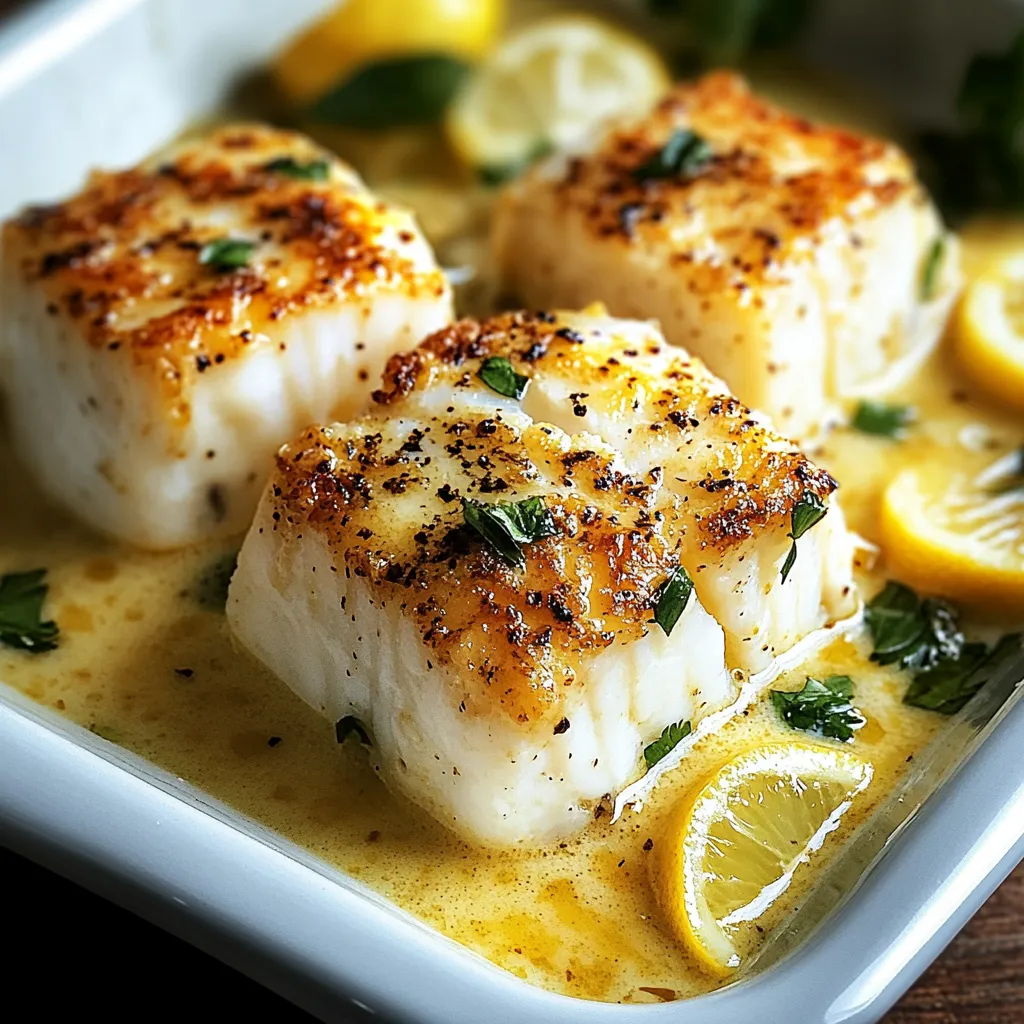
Baked Cod in Coconut Lemon Cream Sauce
Ingredients
Equipment
Method
- Preheat your oven to 400°F (200°C). Lightly grease a 9×13-inch baking dish with oil or cooking spray.
- Pat the cod fillets completely dry with paper towels. Season both sides generously with salt and black pepper, then arrange in a single layer in the prepared baking dish.
- In a medium bowl, whisk together the coconut milk, minced garlic, grated ginger, turmeric, red pepper flakes (if using), lemon juice, lemon zest, and honey until smooth and well combined.
- Pour the coconut lemon mixture evenly over the cod fillets, making sure each piece is well coated with sauce.
- Bake for 15-20 minutes, or until the cod flakes easily with a fork and reaches an internal temperature of 145°F. The sauce should be bubbling around the edges.
- Remove from the oven and spoon some of the sauce from the bottom of the pan back over each fillet.
- Garnish generously with fresh cilantro and sliced green onions. Serve immediately over rice or with your choice of sides.