The Tortellini Tango: Unveiling the Scientific Steps
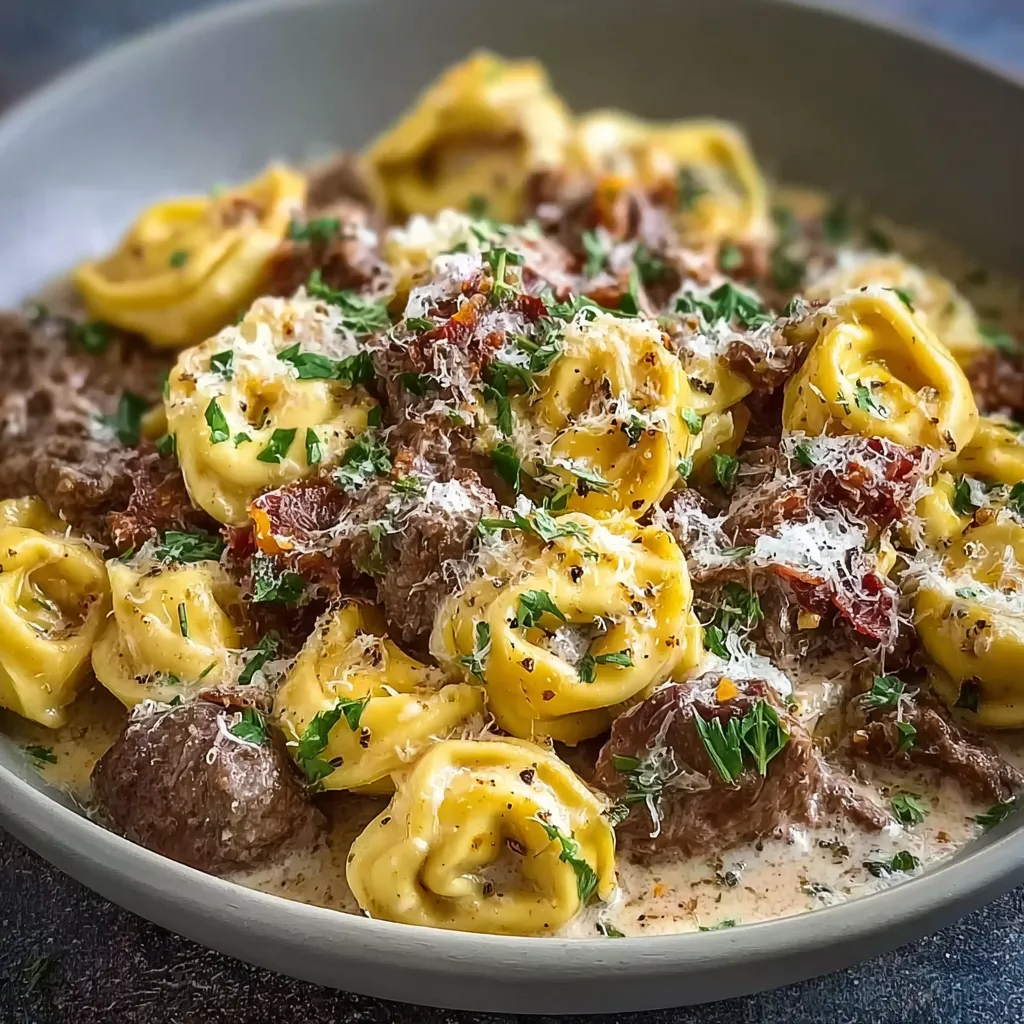 The secret to exceptional Beef & Parmesan Tortellini lies in understanding a few key scientific principles that govern both the pasta dough and the filling. First, let’s talk about gluten. Gluten development is crucial for a pliable pasta dough that can be rolled thin without tearing. However, overworking the dough leads to a tough, rubbery texture. Finding the sweet spot – enough gluten for structure, but not so much that it becomes unyielding – is paramount. Second, the Maillard reaction. This chemical reaction between amino acids and reducing sugars is responsible for the browned, savory flavors we crave in the beef filling. High heat and proper moisture control are key to maximizing Maillard browning. Finally, osmosis. Salt plays a critical role in seasoning both the pasta and the filling. It also affects the osmotic pressure within the tortellini. Too little salt in the pasta water, and the filling can leach moisture into the water, resulting in a bland, watery filling. Too much salt, and the pasta itself can become unpleasantly salty. Achieving balance in these three areas unlocks the secrets to perfect Beef & Parmesan Tortellini. You want the pasta to be a perfect al dente, much like the noodles in Garlic Parmesan Spaghetti, where pasta perfection is critical.
The Ultimate Beef & Parmesan Tortellini Recipe
This recipe has been rigorously tested and refined to deliver consistently delicious results.Yields:
Approximately 60-70 tortelliniPrep time:
2 hoursCook time:
5-7 minutes per batchIngredients:
For the Pasta Dough:
- 300g (about 2 1/2 cups) 00 flour, plus more for dusting
- 3 large eggs
- Pinch of salt
- 1-2 tablespoons water (if needed)
For the Beef & Parmesan Filling:
- 250g (about 1/2 pound) ground beef (80/20 blend recommended)
- 1 small onion, finely chopped
- 2 cloves garlic, minced
- 1/4 cup grated Parmesan cheese, plus more for serving
- 1/4 cup breadcrumbs
- 1 egg, lightly beaten
- 2 tablespoons chopped fresh parsley
- 1/2 teaspoon dried oregano
- Salt and freshly ground black pepper to taste
- 1 tablespoon olive oil
Equipment:
- Large mixing bowl
- Food processor or stand mixer (optional)
- Rolling pin or pasta machine
- Small bowl for water
- Baking sheets lined with parchment paper
Instructions:
Making the Pasta Dough:
- Combine Dry Ingredients: In a large bowl, whisk together the flour and salt. If using a food processor or stand mixer, combine the flour and salt in the bowl of the machine.
- Add Eggs: Make a well in the center of the flour and crack the eggs into the well. Using a fork, gradually incorporate the flour into the eggs, starting from the inside and working your way out. If using a food processor or stand mixer, add the eggs to the flour and pulse until the dough starts to come together.
- Knead the Dough: Once the dough starts to come together, turn it out onto a lightly floured surface and knead for 8-10 minutes, or until smooth and elastic. If using a food processor or stand mixer, knead the dough for 5-7 minutes with the dough hook. If the dough is too dry, add water, 1 tablespoon at a time, until it comes together.
- Rest the Dough: Form the dough into a ball, wrap it tightly in plastic wrap, and let it rest at room temperature for at least 30 minutes, or up to 1 hour. This allows the gluten to relax, making the dough easier to roll.
Preparing the Beef & Parmesan Filling:
- Brown the Beef: Heat the olive oil in a skillet over medium-high heat. Add the ground beef and cook, breaking it up with a spoon, until browned. Drain off any excess fat.
- Sauté Aromatics: Add the onion and garlic to the skillet and cook until softened, about 3-5 minutes.
- Combine Filling Ingredients: In a large bowl, combine the browned beef mixture, Parmesan cheese, breadcrumbs, egg, parsley, oregano, salt, and pepper. Mix well until all ingredients are evenly distributed.
Assembling the Tortellini:
- Roll Out the Dough: Divide the rested pasta dough into 2-3 portions. On a lightly floured surface, roll out one portion of the dough as thinly as possible, about 1/16 inch thick. If using a pasta machine, start with the widest setting and gradually decrease the setting until you reach the desired thickness.
- Cut Out Circles: Use a 2-inch round cookie cutter or a knife to cut out circles from the rolled-out dough.
- Fill the Circles: Place a small amount of the beef filling (about 1/2 teaspoon) in the center of each circle.
- Form the Tortellini: Fold the circle in half to form a half-moon shape. Press the edges firmly to seal, ensuring no air is trapped inside. Bring the two points of the half-moon together, overlapping them slightly, and press firmly to seal. This creates the classic tortellini shape.
- Repeat: Repeat steps 1-4 with the remaining dough and filling.
- Dry the Tortellini: Place the assembled tortellini on the prepared baking sheets in a single layer. Let them dry for about 30 minutes before cooking, which helps them hold their shape.
Cooking the Tortellini:
- Boil Water: Bring a large pot of salted water to a boil.
- Cook the Tortellini: Add the tortellini to the boiling water in batches, being careful not to overcrowd the pot. Cook for 5-7 minutes, or until the tortellini float to the surface and are tender.
- Serve: Remove the tortellini from the water with a slotted spoon and serve immediately with your favorite sauce, such as a simple butter and sage sauce, marinara sauce, or cream sauce. Garnish with extra Parmesan cheese.
My Tortellini Trials: A Culinary Confession
My journey to mastering Beef & Parmesan Tortellini wasn’t exactly smooth sailing. My first few attempts were a disaster. The pasta was either too thick and chewy or so thin it disintegrated in the boiling water. The filling? Oh, the filling! My initial batches tasted overwhelmingly of raw onion, and the beef was tough and dry. Like many of you, I initially thought that tortellini was just tortellini, but I soon realized that the details matter.The Doughy Dilemma: Finding the Perfect Texture
Initially, I was over-kneading the dough, resulting in tortellini that were more like small, rubbery dumplings. Then, I had an “Aha!” moment when I realized the importance of resting the dough. Allowing the gluten to relax made a world of difference. I also experimented with different types of flour. Standard all-purpose flour worked okay, but using 00 flour, which is finely ground and has a lower protein content, yielded a significantly more delicate and tender pasta. It’s like the difference between a good sandwich and one that reminds you of Cheesy Meatball Subs—the bread makes all the difference!The Filling Fiasco: From Bland to Brilliant
My early attempts at the filling were lackluster, to say the least. The beef was bland, and the texture was off. I realized that browning the beef properly was crucial for developing flavor. I also learned the importance of using a good quality Parmesan cheese and not skimping on the seasonings. Adding a touch of fresh parsley and dried oregano really elevated the flavor profile. Another trick I discovered was to add a lightly beaten egg to the filling. This helped bind the ingredients together and created a smoother, more cohesive texture. I also played around with the breadcrumb ratio, as too many made the filling dry. This trial and error reminded me of how crucial the cheese is in Eggplant Parmesan.The Sealing Saga: Preventing Explosions
One of my biggest frustrations was getting the tortellini to stay sealed during cooking. I ended up with several batches of “exploded” tortellini, where the filling leaked out into the boiling water. I tried various techniques, including wetting the edges of the dough with water, but nothing seemed to work consistently. Then, I realized that the key was to press the edges *very* firmly and to ensure that there was no air trapped inside. Drying the assembled tortellini for about 30 minutes before cooking also helped them hold their shape and prevent them from bursting. Think of it like prepping the perfect crispy coating for Crispy Gnocchi With Spinach.The Tortellini Triumphant: The Foolproof Technique
After countless experiments and a mountain of delicious (and not-so-delicious) tortellini, I’ve distilled the process down to a foolproof technique that anyone can follow.- Rest the Dough: Always allow the pasta dough to rest for at least 30 minutes after kneading. This is crucial for gluten relaxation and ease of rolling.
- Roll Thin: Roll the pasta dough as thinly as possible (about 1/16 inch thick) for a delicate and tender texture.
- Brown the Beef: Brown the ground beef properly to develop rich, savory flavors. Don’t overcrowd the pan and drain off any excess fat.
- Season Generously: Don’t be afraid to season the filling generously with salt, pepper, herbs, and spices. Taste as you go and adjust accordingly.
- Seal Tightly: Press the edges of the tortellini *very* firmly to seal and prevent them from bursting during cooking. Ensure no air is trapped inside.
- Dry Before Cooking: Allow the assembled tortellini to dry for about 30 minutes before cooking. This helps them hold their shape and prevents them from becoming mushy.
- Cook in Batches: Cook the tortellini in batches, being careful not to overcrowd the pot. Overcrowding can lower the water temperature and result in uneven cooking.
- Salt the Water: Use plenty of salt in the boiling water to season the pasta and prevent the filling from leaching moisture.
Why is resting the pasta dough important for making Beef & Parmesan Tortellini?
Resting the dough allows the gluten to relax, making it easier to roll out thinly and preventing the tortellini from being too tough.
What is the Maillard reaction, and why is it important for the beef filling?
The Maillard reaction is a chemical reaction between amino acids and reducing sugars that creates browned, savory flavors. It’s crucial for developing a rich and delicious flavor in the beef filling, achieved through high heat and proper moisture control.
How do you prevent the tortellini from bursting open during cooking?
To prevent tortellini from bursting, press the edges of the tortellini very firmly to seal, ensuring no air is trapped inside. Drying the assembled tortellini for about 30 minutes before cooking also helps them hold their shape.
What type of flour is recommended for the pasta dough, and why?
00 flour is recommended because it is finely ground and has a lower protein content, resulting in a more delicate and tender pasta compared to standard all-purpose flour.
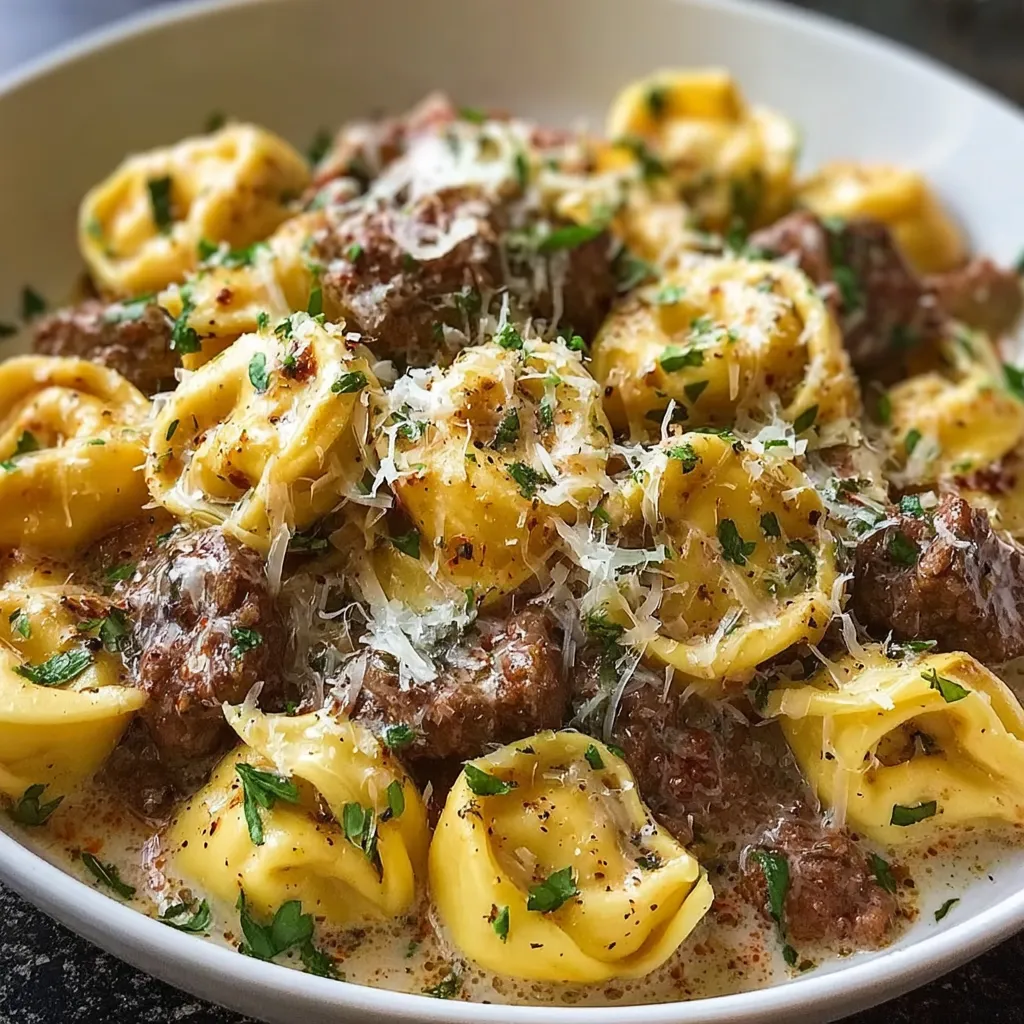
Beef & Parmesan Tortellini
Ingredients
Equipment
Method
- In a large bowl, whisk together the flour and salt. If using a food processor or stand mixer, combine the flour and salt in the bowl of the machine.
- Make a well in the center of the flour and crack the eggs into the well. Using a fork, gradually incorporate the flour into the eggs, starting from the inside and working your way out. If using a food processor or stand mixer, add the eggs to the flour and pulse until the dough starts to come together.
- Once the dough starts to come together, turn it out onto a lightly floured surface and knead for 8-10 minutes, or until smooth and elastic. If using a food processor or stand mixer, knead the dough for 5-7 minutes with the dough hook. If the dough is too dry, add water, 1 tablespoon at a time, until it comes together.
- Form the dough into a ball, wrap it tightly in plastic wrap, and let it rest at room temperature for at least 30 minutes, or up to 1 hour.
- Heat the olive oil in a skillet over medium-high heat. Add the ground beef and cook, breaking it up with a spoon, until browned. Drain off any excess fat.
- Add the onion and garlic to the skillet and cook until softened, about 3-5 minutes.
- In a large bowl, combine the browned beef mixture, Parmesan cheese, breadcrumbs, egg, parsley, oregano, salt, and pepper. Mix well until all ingredients are evenly distributed.
- Divide the rested pasta dough into 2-3 portions. On a lightly floured surface, roll out one portion of the dough as thinly as possible, about 1/16 inch thick. If using a pasta machine, start with the widest setting and gradually decrease the setting until you reach the desired thickness.
- Use a 2-inch round cookie cutter or a knife to cut out circles from the rolled-out dough.
- Place a small amount of the beef filling (about 1/2 teaspoon) in the center of each circle.
- Fold the circle in half to form a half-moon shape. Press the edges firmly to seal, ensuring no air is trapped inside. Bring the two points of the half-moon together, overlapping them slightly, and press firmly to seal. This creates the classic tortellini shape.
- Repeat with the remaining dough and filling.
- Place the assembled tortellini on the prepared baking sheets in a single layer. Let them dry for about 30 minutes before cooking.
- Bring a large pot of salted water to a boil.
- Add the tortellini to the boiling water in batches, being careful not to overcrowd the pot. Cook for 5-7 minutes, or until the tortellini float to the surface and are tender.
- Remove the tortellini from the water with a slotted spoon and serve immediately with your favorite sauce, such as a simple butter and sage sauce, marinara sauce, or cream sauce. Garnish with extra Parmesan cheese.