Unlocking the Fiery Secrets: The Science of Berbere
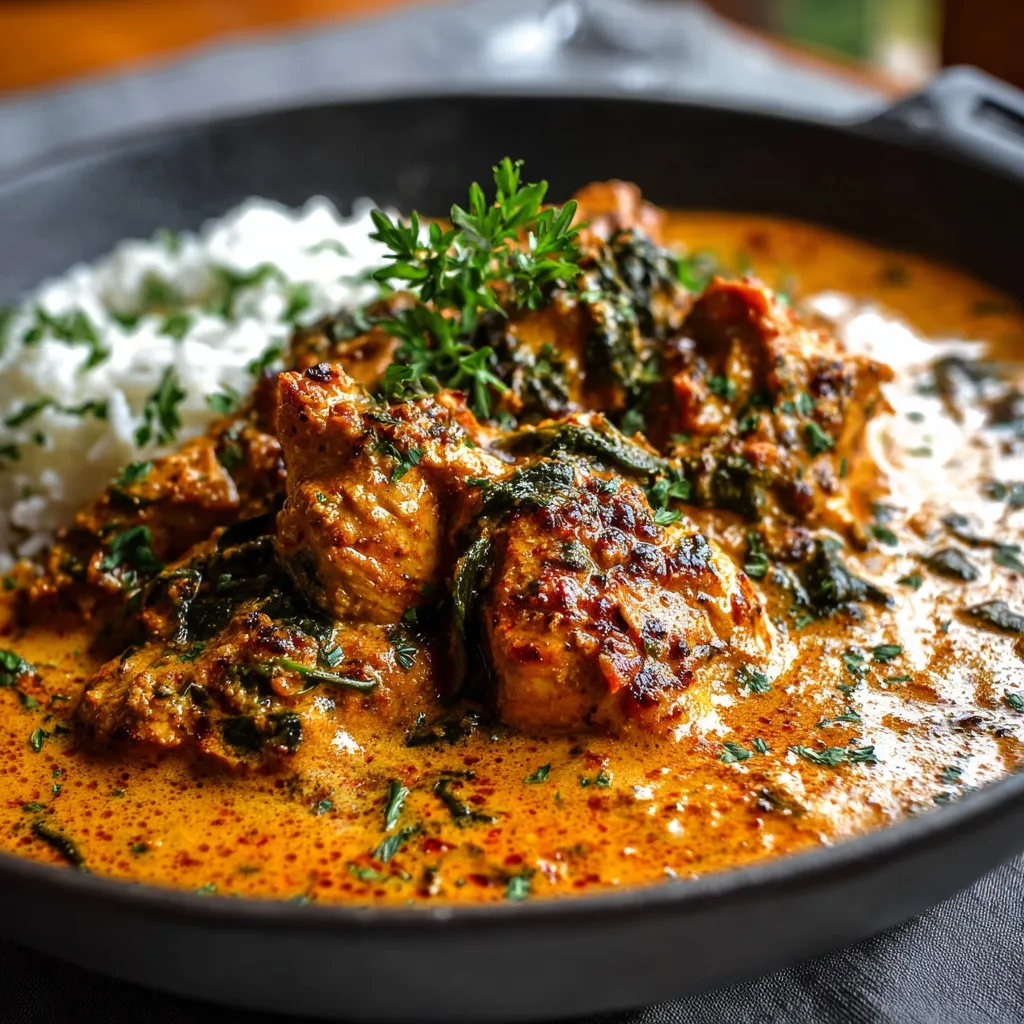 Berbere isn’t just a spice blend; it’s a carefully orchestrated symphony of flavors. The depth and complexity come from the interactions between the various ingredients. Chili peppers, the backbone, contribute not only heat but also fruity and smoky notes depending on the variety used. Spices like ginger and garlic provide pungency, while the warmth of cinnamon and cloves adds a subtle sweetness. Herbs like basil and rue (if used traditionally) contribute aromatic complexity. The key to a great Berbere blend is balance. Overpowering any single element throws the whole composition off. The roasting of the spices before grinding is also crucial; it unlocks volatile oils, intensifying their aroma and flavor and mellowing out any harshness. For instance, roasting chilies correctly ensures a vibrant red color and prevents a bitter aftertaste. The right proportions and precise roasting lead to that addictive, earthy, and complex flavor profile that defines authentic Berbere. Many cultures have a similar spice blend, but there’s nothing like Berbere.
The Definitive Berbere Chicken Recipe
This recipe aims to deliver authentic Berbere chicken flavor with readily available ingredients and clear instructions.Ingredients:
- For the Berbere Spice Blend:
- 2 tablespoons smoked paprika
- 1 tablespoon cayenne pepper (adjust to your spice preference)
- 1 tablespoon ground ginger
- 1 tablespoon garlic powder
- 1 teaspoon ground coriander
- 1 teaspoon ground cumin
- 1/2 teaspoon ground cardamom
- 1/2 teaspoon ground cinnamon
- 1/4 teaspoon ground cloves
- 1/4 teaspoon ground nutmeg
- 1/2 teaspoon salt
- 1/4 teaspoon black pepper
- For the Chicken:
- 2 pounds boneless, skinless chicken thighs (or drumsticks)
- 2 tablespoons vegetable oil
- 1 large onion, chopped
- 2 cloves garlic, minced
- 1 (14.5 ounce) can diced tomatoes, undrained
- 1 cup chicken broth
- 1/4 cup red wine (optional, but adds depth)
- 2 tablespoons tomato paste
- 1 tablespoon Berbere spice blend (or more, to taste)
- 1 teaspoon brown sugar (optional, to balance acidity)
- Salt and pepper to taste
- Chopped cilantro, for garnish
Instructions:
- Prepare the Berbere Spice Blend: In a small bowl, combine all the Berbere spice ingredients. Mix well and set aside.
- Sear the Chicken: Heat the vegetable oil in a large pot or Dutch oven over medium-high heat. Season the chicken with salt and pepper. Sear the chicken on all sides until browned, about 3-4 minutes per side. Remove the chicken from the pot and set aside.
- Sauté Aromatics: Add the chopped onion to the pot and cook until softened and translucent, about 5 minutes. Add the minced garlic and cook for another minute until fragrant.
- Build the Sauce: Stir in the diced tomatoes, chicken broth, red wine (if using), tomato paste, and Berbere spice blend. Bring the mixture to a simmer, scraping up any browned bits from the bottom of the pot.
- Simmer the Chicken: Return the chicken to the pot. Reduce the heat to low, cover, and simmer for 30-40 minutes, or until the chicken is cooked through and tender. If the sauce becomes too thick, add a little more chicken broth.
- Adjust Seasoning: Taste and adjust the seasoning as needed. Add brown sugar if the sauce is too acidic.
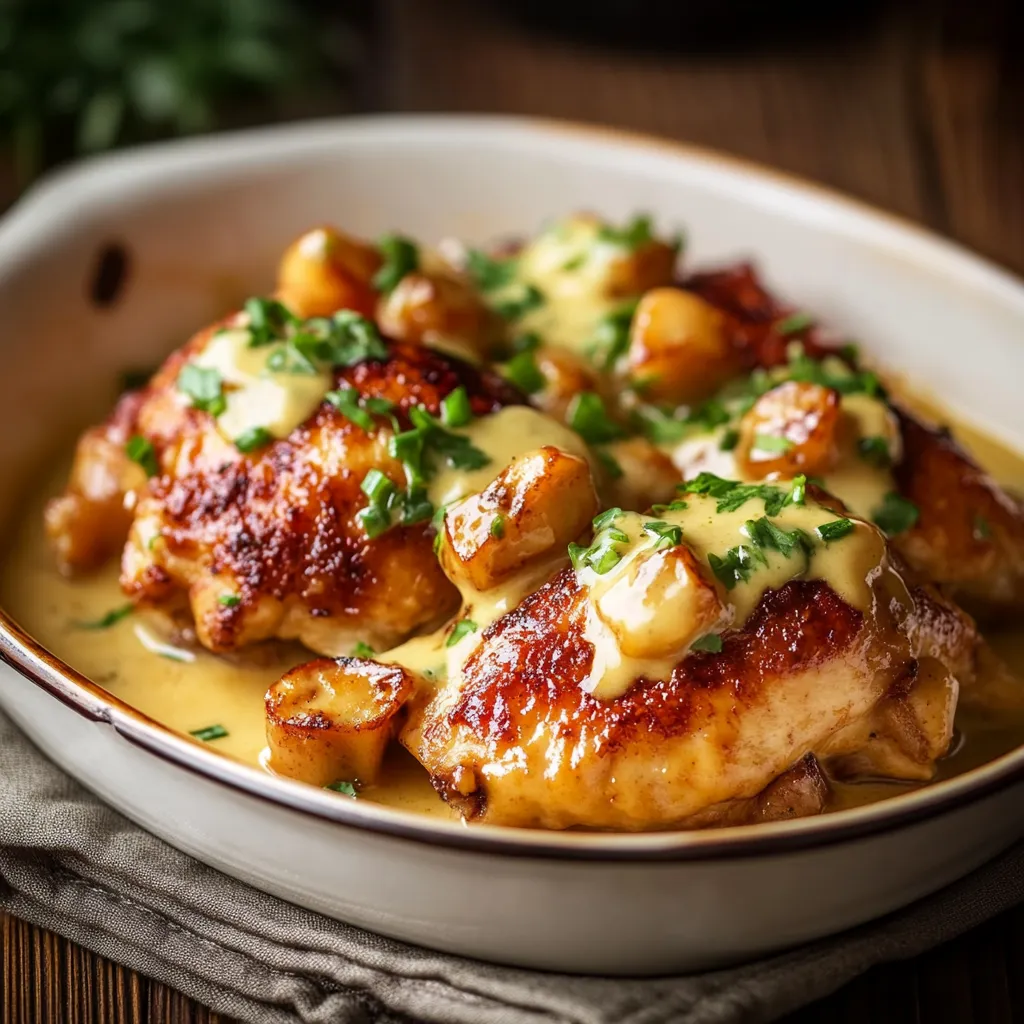
- Serve: Garnish with chopped cilantro and serve hot with injera bread or rice.
From Fiasco to Fantastic: My Berbere Chicken Journey
The Initial Infernos: Spice Imbalance and Bitter Aftertaste
My first few attempts were a disaster. I envisioned tender, flavorful chicken infused with the exotic warmth of Ethiopian spices. What I got was either an overwhelmingly spicy, one-dimensional heat bomb or a dish with a peculiar bitter aftertaste that lingered unpleasantly. Like many of you, I initially thought Berbere was just about throwing a bunch of chili powder into a pot. I learned the hard way that it’s *so* much more than that. I tried various pre-made Berbere blends, but none delivered the nuanced flavor I was seeking. One batch tasted like straight-up chili powder, while another had a strange, almost medicinal, undertone. It was frustrating!The AHA! Moment: Roasting to the Rescue
Then, I had an “Aha!” moment. I remembered reading about the importance of roasting spices before grinding to release their essential oils and mellow out any harshness. I figured the same principle might apply here. I started experimenting with roasting the individual spices in the Berbere blend before combining them. The difference was astounding! Roasting the spices brought out a depth of flavor I hadn’t experienced before. The chilies became fruitier and smokier, the ginger and garlic more pungent, and the cinnamon and cloves warmer and more aromatic. The roasting process also seemed to tame the bitterness that had plagued my earlier attempts.Taming the Heat: Balancing the Spice Symphony
The next challenge was balancing the heat. While I appreciate a good kick, I wanted the other flavors in the Berbere blend to shine through. I experimented with different types of chili peppers and adjusted the proportions of the spices. I found that using a combination of smoked paprika and cayenne pepper gave the dish a complex heat without being overwhelming. The smoked paprika added a smoky depth, while the cayenne provided the necessary punch. I also discovered that adding a touch of brown sugar helped to balance the acidity of the tomatoes and tame the heat of the chilies. It was a game-changer!The Umami Factor: Layering Flavors for Depth
Finally, I realized that the key to a truly exceptional Berbere chicken was layering flavors. I started by searing the chicken to develop a rich, browned crust. Then, I sautéed the onions and garlic until they were softened and fragrant, creating a flavorful base for the sauce. I added diced tomatoes, chicken broth, and a splash of red wine to build the sauce, scraping up any browned bits from the bottom of the pot to add depth. The red wine adds a richness and complexity that complements the spices beautifully. I also experimented with adding a tablespoon of tomato paste for extra umami and body. The result was a sauce that was rich, complex, and deeply satisfying. And if you love a good creamy dish, you might enjoy Baked Cream Cheese Chicken, too!The Foolproof Method: Cracking the Berbere Chicken Code
Here’s the breakdown of the technique to help you replicate the results:- Toast your spices: Roasting the spices intensifies their flavor and removes any harshness.
- Sear the chicken: Searing creates a flavorful crust, adding depth to the dish.
- Build a Flavorful Base: Sautéing onions and garlic creates a foundation for the sauce.
- Layer Flavors: Using a combination of tomatoes, broth, and red wine creates a complex and satisfying sauce.
- Simmer Low and Slow: Simmering the chicken allows the flavors to meld and the chicken to become incredibly tender.
- Adjust Seasoning: Taste and adjust the seasoning as needed. Don’t be afraid to experiment!
What makes Berbere spice blend so complex and different from other spice blends?
Berbere’s complexity comes from the balance and interaction of various ingredients like chili peppers (for heat, fruity and smoky notes), ginger and garlic (for pungency), cinnamon and cloves (for sweetness), and herbs (for aromatic complexity). Roasting the spices before grinding is also crucial to unlock volatile oils and mellow harshness.
Why is roasting the spices important when making Berbere spice blend?
Roasting the spices before grinding unlocks their volatile oils, intensifying their aroma and flavor. It also mellows out any harshness, prevents a bitter aftertaste from the chilies, and brings out a deeper, more complex flavor profile.
What are some tips for ensuring my Berbere chicken isn’t too spicy?
Use a combination of smoked paprika and cayenne pepper to create a complex heat without being overwhelming. Adjust the amount of cayenne pepper to your spice preference. Adding a touch of brown sugar can also help balance the acidity of the tomatoes and tame the heat of the chilies.
What are the key steps to making flavorful Berbere chicken?
The key steps are toasting the spices, searing the chicken to create a flavorful crust, building a flavorful base by sautéing onions and garlic, layering flavors using tomatoes, broth, and red wine, simmering low and slow to meld the flavors, and adjusting the seasoning as needed.
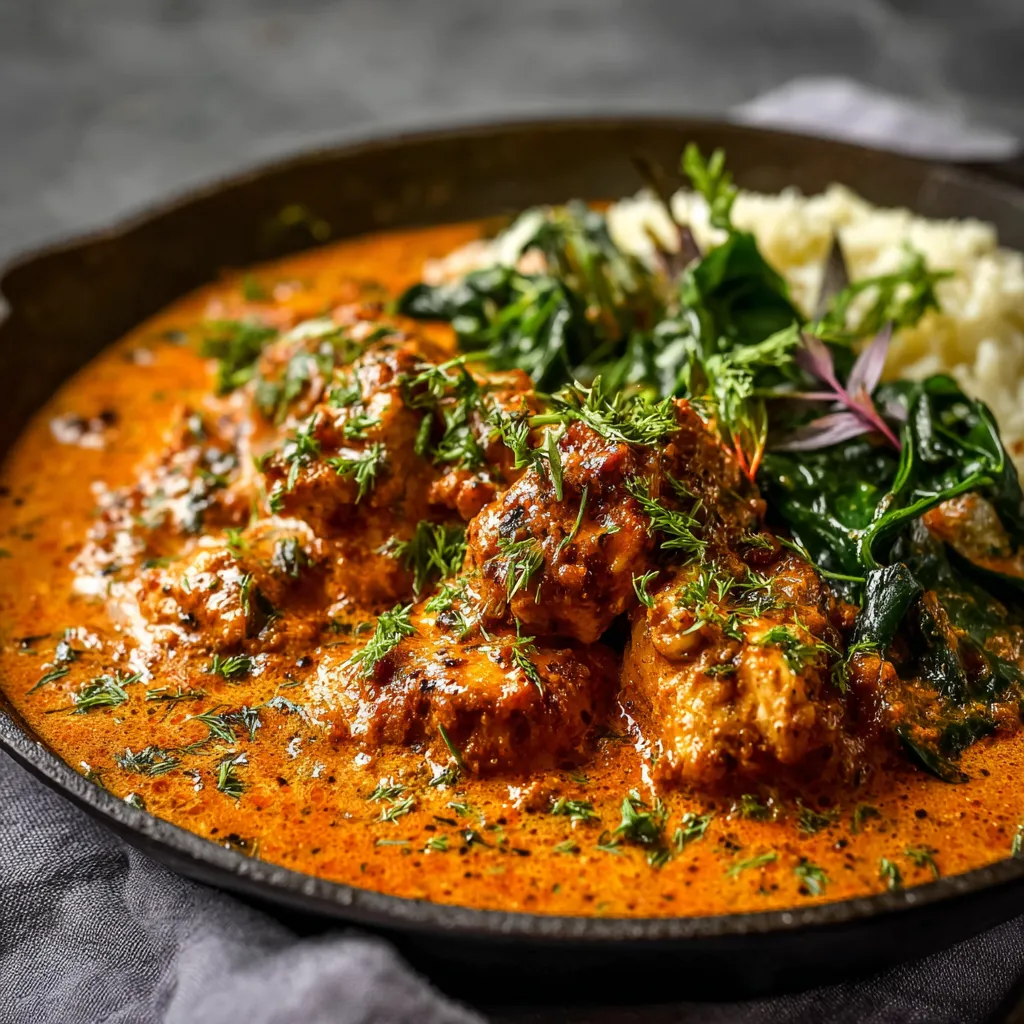
Best Ethiopian Berbere Chicken
Ingredients
Equipment
Method
- Prepare the Berbere Spice Blend: In a small bowl, combine smoked paprika, cayenne pepper, ground ginger, garlic powder, ground coriander, ground cumin, ground cardamom, ground cinnamon, ground cloves, ground nutmeg, salt, and black pepper. Mix well and set aside.
- Sear the Chicken: Heat the vegetable oil in a large pot or Dutch oven over medium-high heat. Season the chicken with salt and pepper. Sear the chicken on all sides until browned, about 3-4 minutes per side. Remove the chicken from the pot and set aside.
- Sauté Aromatics: Add the chopped onion to the pot and cook until softened and translucent, about 5 minutes. Add the minced garlic and cook for another minute until fragrant.
- Build the Sauce: Stir in the diced tomatoes, chicken broth, red wine, tomato paste, and Berbere spice blend. Bring the mixture to a simmer, scraping up any browned bits from the bottom of the pot.
- Simmer the Chicken: Return the chicken to the pot. Reduce the heat to low, cover, and simmer for 30-40 minutes, or until the chicken is cooked through and tender. If the sauce becomes too thick, add a little more chicken broth.
- Adjust Seasoning: Taste and adjust the seasoning as needed. Add brown sugar if the sauce is too acidic.
- Serve: Garnish with chopped cilantro and serve hot with injera bread or rice.