Unlocking the Monte Cristo Code: The Science Behind the Magic
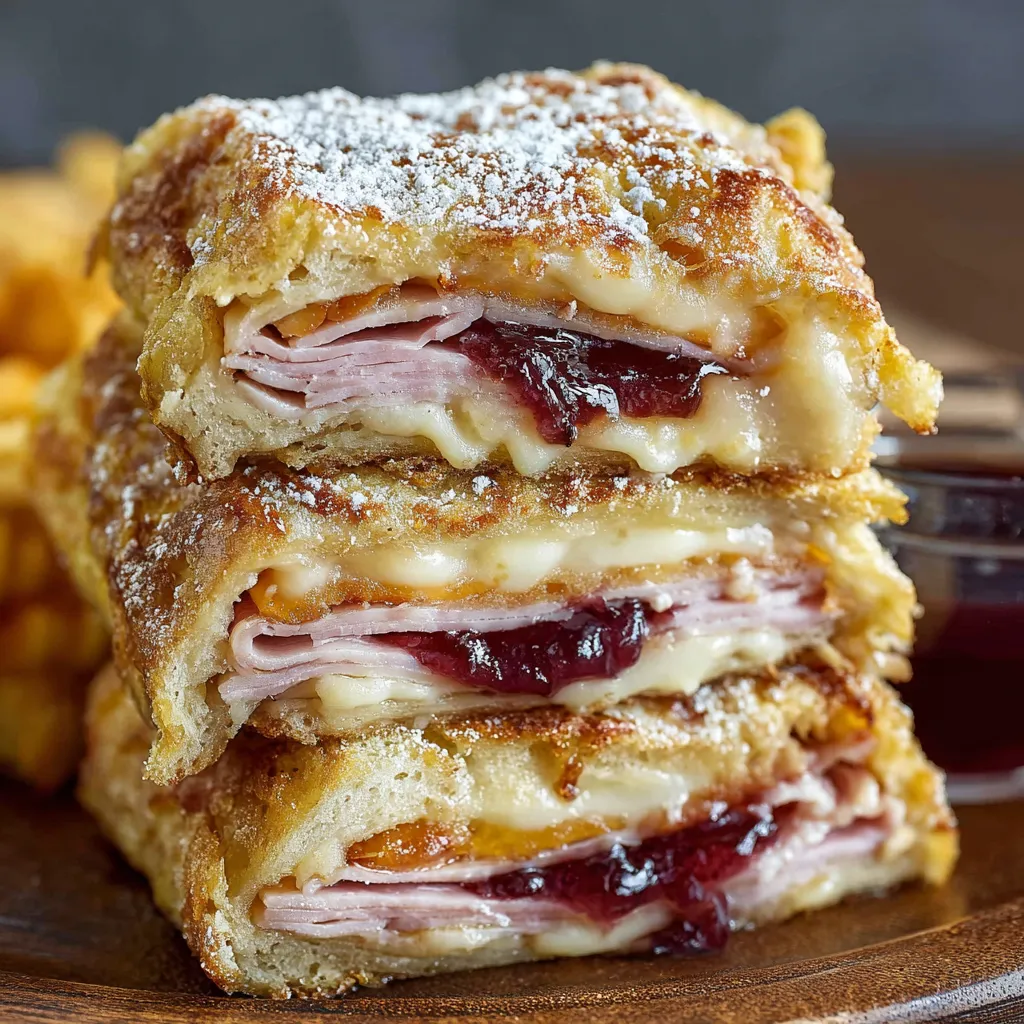 The Monte Cristo isn’t just a sandwich; it’s a feat of culinary engineering. The key lies in understanding the interplay of several crucial factors:
- The Bread: The bread needs to be sturdy enough to withstand soaking in egg batter and subsequent frying, but also soft enough to yield easily when bitten. A slightly stale challah or brioche works wonders, offering a good balance of structural integrity and absorbency. Think of it like finding the right vessel for a Philly Cheesesteak Pasta sauce – you need something that holds up!
- The Filling: The classic Monte Cristo boasts a harmonious blend of ham and Swiss cheese. The saltiness of the ham contrasts beautifully with the nutty sweetness of the Swiss. The quality of these ingredients is paramount. Consider upgrading to Black Forest ham or Gruyere for an extra layer of flavor.
- The Batter: The batter is the glue that holds everything together, and the vehicle for that signature deep-fried crispness. A well-balanced batter should be light, slightly sweet, and not too thick, allowing it to coat the sandwich evenly without becoming heavy or greasy. The right batter makes the difference between a soggy mess and a golden delight.
- The Frying Process: Frying isn’t just about cooking; it’s about creating texture. The oil temperature must be precise – too low, and the sandwich will absorb excess oil; too high, and the outside will burn before the inside is cooked through. Aim for a consistent temperature of around 350°F (175°C) to achieve that perfect golden-brown hue and crispy exterior.
- The Sweet Touches: The dusting of powdered sugar and the accompanying jam are not mere afterthoughts; they are essential components that elevate the Monte Cristo to its iconic status. The sweetness cuts through the richness of the fried sandwich, creating a delightful contrast that tantalizes the taste buds.
The Ultimate Monte Cristo Recipe
Ingredients:
- 12 slices challah or brioche bread, about 1/2 inch thick
- 8 ounces thinly sliced ham
- 8 ounces thinly sliced Swiss cheese
- 1/2 cup mayonnaise
- 1/4 cup Dijon mustard
For the Batter:
- 4 large eggs
- 1 cup milk
- 1/4 cup heavy cream
- 2 tablespoons granulated sugar
- 1 teaspoon vanilla extract
- 1/4 teaspoon salt
For Frying:
- Vegetable oil, for frying
For Serving:
- Powdered sugar, for dusting
- Strawberry or raspberry jam, for serving
Instructions:
- Prepare the Sandwiches: In a small bowl, combine the mayonnaise and Dijon mustard. Spread the mixture evenly on one side of each slice of bread.
- Layer ham and cheese between two slices of bread. You should aim for about 2 ounces of ham and 2 ounces of cheese per sandwich.
- Make the Batter: In a shallow dish, whisk together the eggs, milk, heavy cream, sugar, vanilla extract, and salt until well combined.
- Heat the Oil: Pour vegetable oil into a large, heavy-bottomed skillet or Dutch oven to a depth of about 1 inch. Heat the oil over medium heat until it reaches 350°F (175°C). Use a thermometer to monitor the temperature.
- Dip the Sandwiches: Working one at a time, dip each sandwich into the batter, making sure to coat it evenly on all sides. Allow any excess batter to drip off.
- Fry the Sandwiches: Carefully place the battered sandwiches into the hot oil, being careful not to overcrowd the pan. Fry for 2-3 minutes per side, or until golden brown and crispy.
- Drain and Serve: Remove the fried sandwiches from the oil and place them on a wire rack lined with paper towels to drain off any excess oil.
- Dust generously with powdered sugar and serve immediately with strawberry or raspberry jam for dipping.
My Monte Cristo Misadventures: A Culinary Investigation
The Soggy Beginning
My first few attempts were a disaster. I used ordinary sandwich bread, which promptly disintegrated upon contact with the batter. The sandwiches were greasy, undercooked in the center, and utterly unappetizing. I was beginning to think the Monte Cristo was more myth than reality.The Bread Breakthrough
Then, I had an “Aha!” moment. I remembered reading about using challah for French toast, so I decided to give it a try. The results were immediately better. The challah held its shape beautifully in the batter and provided a delightful chewiness after frying. This was a game-changer! I even wondered if the bread used in Cheesy Meatball Subs would work as a test! (I didn’t try it, but maybe next time!)The Cheese Conundrum
Next, I experimented with different cheeses. While Swiss is the classic choice, I found that Gruyere added a richer, more complex flavor. Provolone was also a decent substitute, but it lacked the nutty sweetness of Swiss or Gruyere. It’s all about finding the right flavor profile to complement the ham.The Batter Balancing Act
The batter was another area that required careful tweaking. Initially, my batter was too thick, resulting in a heavy, dense sandwich. I experimented with different ratios of milk, eggs, and cream until I achieved a light, airy consistency. The addition of a touch of sugar and vanilla extract added a subtle sweetness that enhanced the overall flavor.The Frying Finesse
Finally, mastering the frying process was crucial. I learned that maintaining a consistent oil temperature was essential for achieving that perfect golden-brown color and crispy texture. I also discovered that it’s better to fry the sandwiches in batches to avoid overcrowding the pan and lowering the oil temperature.The Foolproof Monte Cristo Method: A Step-by-Step Guide
After numerous trials and errors, I’ve distilled the process into a simple, foolproof method:- Choose the Right Bread: Opt for challah or brioche for optimal texture and structural integrity. Stale bread is preferable as it absorbs the batter better without becoming soggy.
- Use Quality Ingredients: Select high-quality ham and Swiss cheese (or Gruyere) for the best flavor.
- Prepare the Perfect Batter: Whisk together eggs, milk, cream, sugar, vanilla extract, and salt until well combined. The batter should be light and slightly sweet.
- Maintain the Correct Oil Temperature: Heat vegetable oil to 350°F (175°C) and maintain a consistent temperature throughout the frying process.
- Fry to Golden Perfection: Dip the sandwiches in the batter, allowing excess to drip off, and fry for 2-3 minutes per side, until golden brown and crispy.
- Drain and Dust: Remove the fried sandwiches from the oil and drain on a wire rack lined with paper towels. Dust generously with powdered sugar and serve immediately with strawberry or raspberry jam.
What type of bread is best for a Monte Cristo sandwich and why?
Challah or brioche bread is best because they are sturdy enough to withstand soaking in egg batter and frying, but also soft enough to yield easily when bitten. Slightly stale bread is preferable as it absorbs the batter better without becoming soggy.
What is the ideal oil temperature for frying a Monte Cristo sandwich?
The ideal oil temperature for frying a Monte Cristo sandwich is 350°F (175°C). This temperature ensures the sandwich becomes golden-brown and crispy without burning the outside or leaving the inside undercooked.
What are the key ingredients for the batter used in this Monte Cristo recipe?
The key ingredients for the batter are eggs, milk, heavy cream, granulated sugar, vanilla extract, and salt. These should be whisked together until well combined to create a light and slightly sweet batter.
Besides powdered sugar, what is traditionally served with a Monte Cristo sandwich?
A Monte Cristo sandwich is traditionally served with strawberry or raspberry jam for dipping. This adds a sweet contrast to the richness of the fried sandwich.

BEST MONTE CRISTO SANDWICH EVER
Ingredients
Equipment
Method
- Prepare the Sandwiches: In a small bowl, combine the mayonnaise and Dijon mustard. Spread the mixture evenly on one side of each slice of bread.
- Layer ham and cheese between two slices of bread. Aim for about 2 ounces of ham and 2 ounces of cheese per sandwich.
- Make the Batter: In a shallow dish, whisk together the eggs, milk, heavy cream, sugar, vanilla extract, and salt until well combined.
- Heat the Oil: Pour vegetable oil into a large, heavy-bottomed skillet or Dutch oven to a depth of about 1 inch. Heat the oil over medium heat until it reaches 350°F (175°C). Use a thermometer to monitor the temperature.
- Dip the Sandwiches: Working one at a time, dip each sandwich into the batter, making sure to coat it evenly on all sides. Allow any excess batter to drip off.
- Fry the Sandwiches: Carefully place the battered sandwiches into the hot oil, being careful not to overcrowd the pan. Fry for 2-3 minutes per side, or until golden brown and crispy.
- Drain and Serve: Remove the fried sandwiches from the oil and place them on a wire rack lined with paper towels to drain off any excess oil.
- Dust generously with powdered sugar and serve immediately with strawberry or raspberry jam for dipping.