A crustless quiche is one of those dishes that feels special but comes together with minimal effort. This cottage cheese and spinach version delivers a fluffy, custard-like texture loaded with vegetables and protein, all without the extra calories and work of a pastry crust. The cottage cheese adds both creaminess and a protein boost, while fresh spinach keeps things light and nutritious. It’s the kind of meal that works equally well for a leisurely weekend brunch or a simple weeknight dinner when you want something satisfying but not heavy.
What makes this recipe particularly appealing is its flexibility. Serve it warm straight from the oven, at room temperature for meal prep, or even cold the next day. The flavors actually develop and improve as it sits, making it ideal for preparing ahead when you know you’ll have a busy week.
Why You’ll Love This Cottage Cheese and Spinach Crustless Quiche
Skipping the crust cuts down significantly on prep time and calories while keeping all the best parts of a traditional quiche. You don’t need to roll out dough, blind bake, or worry about soggy bottoms. Just mix, pour, and bake—it’s genuinely that straightforward.
Cottage cheese is the star ingredient here, providing both protein and moisture. It creates a creamy base that’s lighter than using all cream or heavy dairy, while still delivering that rich, satisfying texture you expect from a good quiche. Each slice contains 18 grams of protein, making this substantial enough to be a main course rather than just a side.
The combination of sautéed vegetables adds layers of flavor and keeps the texture interesting. Onions provide sweetness, bell peppers add a slight crunch, and spinach brings color and nutrients. Everything gets wilted down before going into the egg mixture, which prevents excess moisture from making the quiche watery.
This recipe is naturally gluten-free, which makes it suitable for various dietary needs without requiring substitutions or special ingredients. It’s also easy to customize based on what you have in your refrigerator or what your family prefers.
Ingredients for Cottage Cheese and Spinach Crustless Quiche
I use full-fat cottage cheese for the best flavor and creamiest texture, though low-fat works if you prefer something lighter. The cottage cheese blends into the egg mixture, creating pockets of creaminess throughout rather than a uniform texture.
- 1 tbsp olive oil
- 1 small onion, diced
- ½ bell pepper, diced
- 2 cups fresh baby spinach, chopped
- 1 ½ cups cottage cheese
- 4 large eggs
- 1 cup shredded cheddar cheese (or a mix of cheddar and mozzarella)
- ½ cup milk
- ½ tsp garlic powder
- 1 tsp Italian seasoning
- Salt and black pepper to taste
- 2 tbsp fresh parsley, chopped (for garnish)
Fresh baby spinach works better than frozen here because frozen spinach contains too much water, even after squeezing it dry. Baby spinach is more tender and wilts down quickly without becoming stringy. Chop it roughly before cooking so it distributes evenly throughout the quiche.
For the shredded cheese, sharp cheddar gives you the most flavor, but a combination of cheddar and mozzarella creates a creamier, milder taste that some people prefer. Freshly shredded cheese melts more smoothly than pre-shredded, which contains anti-caking agents.
Whole milk creates the richest custard, though 2% works fine if that’s what you have. The milk thins out the egg mixture just enough to create that classic quiche texture—firm but still tender. Italian seasoning adds subtle herbaceous notes that complement the vegetables without overwhelming them.
How to Make Cottage Cheese and Spinach Crustless Quiche
The key to a perfect crustless quiche is removing moisture from the vegetables before baking. This step prevents a soggy, watery result and ensures the egg custard sets properly.
Prepare the Baking Dish Preheat your oven to 350°F and position the rack in the center. Grease a 9-inch pie dish thoroughly with olive oil, butter, or cooking spray. Make sure to get the sides well-coated so the quiche releases easily after baking. A glass or ceramic pie dish works best for even heat distribution.
Sauté the Vegetables Heat the olive oil in a non-stick skillet over medium heat. Add the diced onion and bell pepper, stirring occasionally for 3-4 minutes until they soften and the onion becomes translucent. The goal is to cook off their raw edge and develop some sweetness without browning them too much.
Add the chopped spinach to the skillet and stir it into the hot vegetables. It will seem like a huge amount at first, but spinach wilts down dramatically—those 2 cups will reduce to about half a cup. Cook for 2-3 minutes, stirring frequently, until completely wilted. Season with garlic powder, salt, and black pepper while still in the pan. Remove from heat and let the vegetables cool for a few minutes. This cooling step matters because adding hot vegetables directly to the eggs can start cooking them prematurely.
Mix the Egg Base In a large mixing bowl, crack the eggs and whisk them thoroughly until the yolks and whites are fully combined. Add the milk and cottage cheese, then whisk again until everything is well blended. The cottage cheese won’t break down completely—you’ll still have small curds, which is exactly what you want. They create pockets of creaminess in the finished quiche.
Stir in the Italian seasoning and taste the mixture. Add salt and pepper as needed, keeping in mind that the cheese and vegetables also contribute saltiness. The egg mixture should taste slightly more seasoned than you think it needs because flavors mellow during baking.
Combine Everything Add the cooled sautéed vegetables to the egg mixture and stir to distribute them evenly. Fold in the shredded cheese, making sure it’s spread throughout rather than clumped in one spot. The mixture should look cohesive but textured, with visible pieces of vegetables and cheese.
Bake the Quiche Pour the entire mixture into your prepared pie dish, using a spatula to scrape out every bit from the bowl. Spread it evenly so the surface is relatively flat—this helps it cook uniformly. Place the dish on the center oven rack and bake for 40-45 minutes.
The quiche is done when the center is set and no longer jiggles when you gently shake the pan. The top should be golden brown with slightly darker edges. A knife inserted into the center should come out clean or with just a few moist crumbs. If the edges are browning too quickly but the center isn’t set, tent the top loosely with aluminum foil for the remaining cooking time.
Cool and Serve Let the quiche rest in the pan for 5-10 minutes before slicing. This cooling period allows the custard to firm up slightly, making cleaner slices. Cut into 8 wedges and serve warm, garnished with fresh chopped parsley. The quiche is also excellent at room temperature or cold from the refrigerator.
What to Serve with Cottage Cheese and Spinach Crustless Quiche
This quiche is light enough that it pairs well with both fresh and cooked sides, depending on the occasion and how hungry everyone is.
Simple Green Salad: Mixed greens with a lemon vinaigrette add freshness and acidity that balance the rich egg custard. Keep it simple with just lettuce, cucumber, and tomatoes.
Roasted Potatoes: Crispy roasted breakfast potatoes or fingerling potatoes seasoned with rosemary make the meal more substantial. The starchy side complements the protein-rich quiche perfectly.
Fresh Fruit Salad: A colorful mix of berries, melon, and citrus provides a sweet, refreshing contrast. It’s especially nice for brunch or lighter dinners.
Roasted Asparagus: Tender asparagus spears roasted with olive oil and garlic echo the vegetable theme while adding different flavors and textures.
Crusty Bread: A warm baguette or sourdough slices are perfect for soaking up any extra egg custard on your plate. Butter the bread for an even more satisfying combination.
Tomato Salad: Sliced tomatoes with fresh basil, olive oil, and balsamic vinegar add bright, acidic notes that cut through the richness of the cheese and eggs.
Bacon or Sausage: For a heartier meal, add breakfast meats on the side. The smoky, salty flavors complement the mild quiche beautifully.
Pro Tips & Variations
Squeeze excess moisture from the spinach after cooking, even though you’ve sautéed it. Press it gently against the side of the skillet with a spatula or spoon to remove any remaining water. This small step makes a noticeable difference in the final texture.
Use room temperature eggs for the smoothest mixture. Cold eggs don’t blend as well with the other ingredients and can create a slightly curdled appearance in the raw batter.
Don’t overbake—the quiche continues cooking for a few minutes after you remove it from the oven due to residual heat. Pull it out when the center is just set but still has a slight wobble. It will firm up completely as it cools.
Vegetable Variations: Try mushrooms, zucchini, tomatoes, or broccoli in place of or in addition to the bell pepper. Just make sure to sauté them first to remove excess moisture. Roasted red peppers from a jar work well too—drain and pat them dry first.
Cheese Options: Feta adds a Mediterranean flair with tangy, salty notes. Swiss or Gruyere create a more sophisticated flavor profile. Pepper jack brings mild heat. You can also leave out the cheddar entirely and use only cottage cheese for an even lighter version.
Add Protein: Cooked bacon, diced ham, or crumbled cooked sausage turn this into an even heartier meal. Add about ¾ cup of cooked meat when you fold in the vegetables.
Herb Swaps: Fresh dill, basil, or thyme can replace the Italian seasoning for different flavor profiles. Fresh herbs are more potent, so use about 1 tablespoon of chopped fresh herbs instead of 1 teaspoon dried.
Dairy-Free Option: Use plant-based cottage cheese alternatives and non-dairy milk. The texture will differ slightly but still works well.
Storage & Reheating Tips
Store leftover quiche covered in the refrigerator for up to 4 days. The flavors actually improve after a day as everything melds together, making leftovers just as good as—if not better than—freshly baked.
Reheat individual slices in the microwave for 30-45 seconds or in a 300°F oven for 10-12 minutes until warmed through. Oven reheating maintains the texture better, while the microwave is faster and more convenient for quick meals.
This quiche also eats well cold straight from the refrigerator, which makes it ideal for meal prep. Pack slices in containers with some greens and cherry tomatoes for easy grab-and-go lunches throughout the week.
For freezing, wrap individual slices tightly in plastic wrap, then place them in a freezer-safe container or bag. Freeze for up to 3 months. Thaw overnight in the refrigerator and reheat as directed above. The texture may be slightly more watery after freezing, but it still tastes good.
You can also freeze the unbaked mixture. Pour it into your greased pie dish, wrap tightly with plastic wrap and foil, and freeze for up to 2 months. Bake from frozen, adding 15-20 minutes to the cooking time and covering with foil if the top browns too quickly.
Common Questions
Can I use frozen spinach instead of fresh? Yes, but you must thaw it completely and squeeze out all the excess water—frozen spinach holds a surprising amount of liquid. After squeezing, you should have about ¾ cup of well-drained spinach to replace the 2 cups of fresh.
Why is my quiche watery? This usually happens when vegetables aren’t properly cooked first to remove moisture. Always sauté vegetables until any liquid has evaporated. Also, make sure your eggs and dairy are well-mixed so the custard sets properly during baking.
Can I make this ahead? Absolutely. Assemble the entire quiche up to 24 hours before baking, cover it tightly, and refrigerate. When ready to bake, let it sit at room temperature for 15-20 minutes, then bake as directed, possibly adding 5-10 minutes to the cooking time.
How do I know when it’s fully cooked? The center should be set and not jiggly, and a knife inserted in the middle should come out clean. The internal temperature should reach 160°F. The edges will pull away slightly from the sides of the pan.
Can I double this recipe? Yes, use a 9×13-inch baking dish instead of a pie plate. The baking time will be similar, though check it at 40 minutes and add more time as needed. You’ll get 12-16 servings from a doubled batch.
This cottage cheese and spinach crustless quiche has become one of my reliable recipes for both busy weeknights and lazy weekend mornings. It feels nourishing without being heavy, and the high protein content means everyone stays satisfied for hours. The simplicity of the preparation belies how flavorful and satisfying the result is—it’s proof that you don’t need complicated techniques or fancy ingredients to make something genuinely delicious.
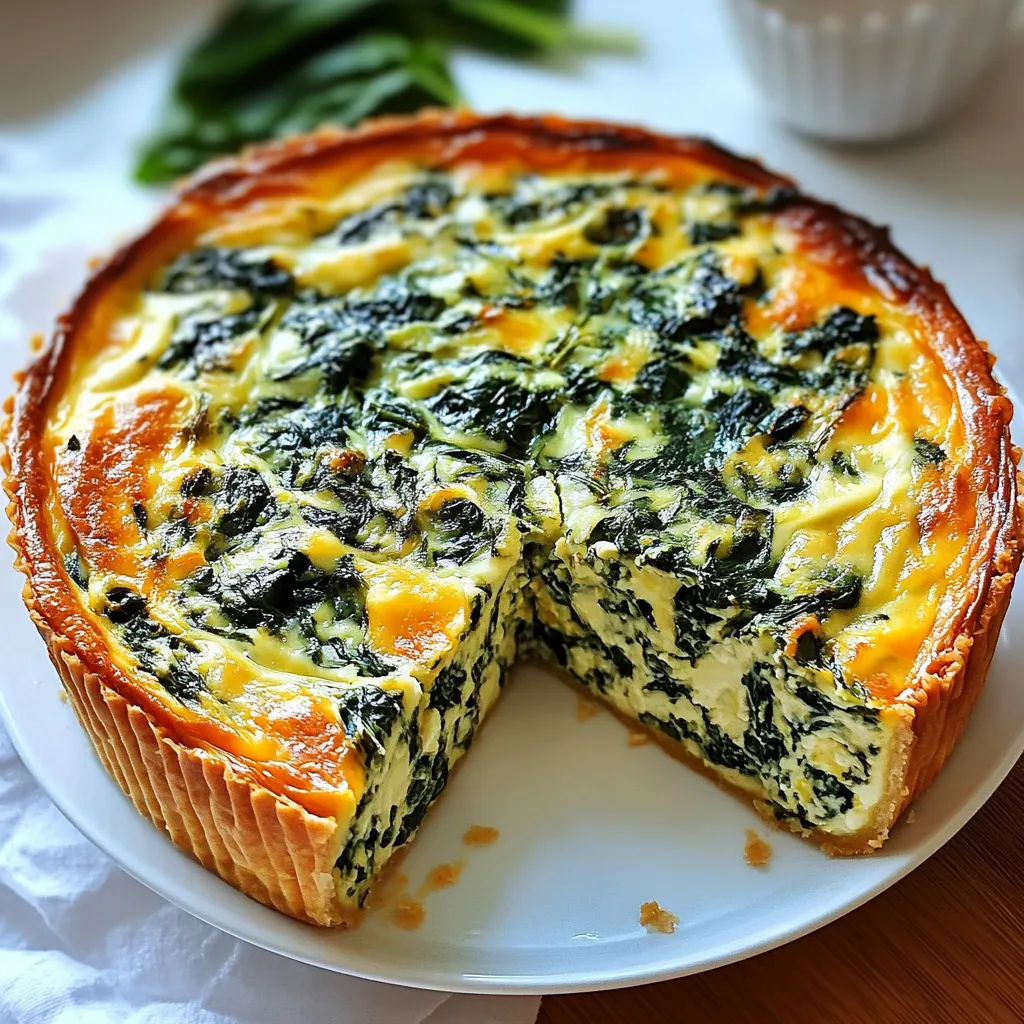
Cottage Cheese and Spinach Crustless Quiche
Ingredients
Equipment
Method
- Preheat oven to 350°F (175°C). Grease a 9-inch pie dish thoroughly with olive oil, butter, or cooking spray, making sure to coat the sides well.
- Heat olive oil in a non-stick skillet over medium heat. Add diced onion and bell pepper, sautéing for 3-4 minutes until softened and onion is translucent.
- Add chopped spinach to the skillet and cook for 2-3 minutes, stirring frequently, until completely wilted. Season with garlic powder, salt, and pepper. Remove from heat and let cool for a few minutes. Press spinach gently against the side of the skillet to remove excess moisture.
- In a large mixing bowl, whisk together the eggs until yolks and whites are fully combined. Add milk and cottage cheese, whisking until well blended. Small cottage cheese curds remaining are normal. Stir in Italian seasoning and season with salt and pepper to taste.
- Add the cooled sautéed vegetables to the egg mixture and stir to distribute evenly. Fold in the shredded cheese, making sure it’s spread throughout.
- Pour the mixture into the prepared pie dish, spreading it evenly. Bake for 40-45 minutes until the center is set and doesn’t jiggle, the top is golden brown, and a knife inserted in the center comes out clean.
- Let the quiche rest in the pan for 5-10 minutes before slicing into 8 wedges. Garnish with fresh chopped parsley and serve warm, at room temperature, or cold.