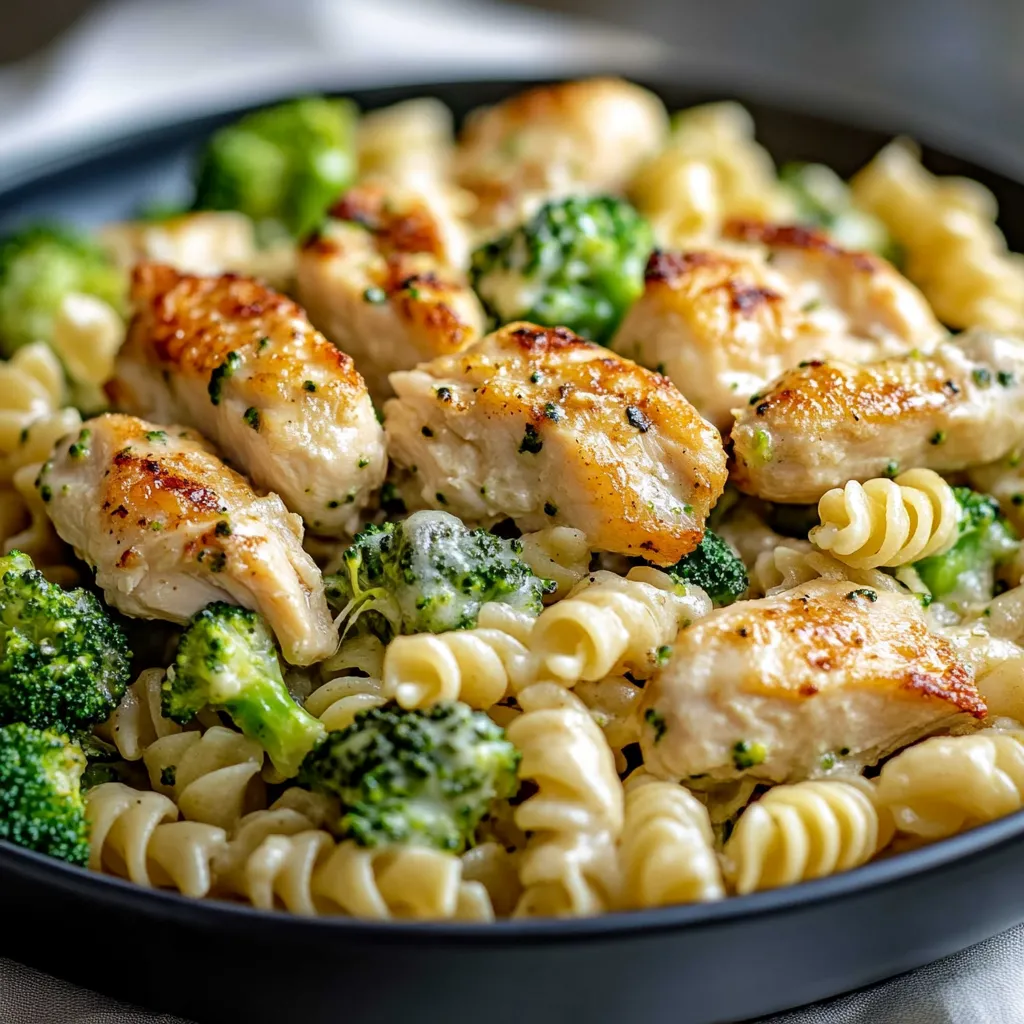
Using a rotisserie chicken from the grocery store turns what could be an hour-long cooking project into a satisfying dinner ready in 35 minutes. This rotisserie chicken broccoli pasta dinner combines tender pasta, crisp-tender broccoli, and juicy chicken in a creamy Parmesan sauce that tastes like you spent all afternoon in the kitchen.
The beauty of this recipe lies in its simplicity and smart shortcuts. While the pasta cooks, you’re building a rich cream sauce and shredding the chicken. Everything comes together in one final toss, creating a cohesive dish where every element is coated in that velvety sauce. It’s the kind of meal that works equally well for busy Tuesday nights or casual weekend dinners with friends.
Why You’ll Love This Rotisserie Chicken Broccoli Pasta Dinner
Time efficiency makes this recipe a standout choice for weeknight cooking. From boiling water to sitting down to eat, you’re looking at just 35 minutes. The rotisserie chicken eliminates the longest part of most chicken pasta recipes, cutting out at least 30 minutes of roasting or poaching time.
The creamy sauce strikes the right balance between indulgent and not too heavy. Heavy cream and two cheeses create richness, while chicken broth and pasta water keep things from feeling cloying. The result coats every piece of pasta without pooling at the bottom of the bowl.
Broccoli adds color, texture, and nutritional value without requiring extra pots or prep. Cooking it directly in the pasta water during the last few minutes means one less thing to clean and ensures it reaches that perfect tender-crisp stage.
This recipe feeds six generously, making it ideal for families or meal prep. Leftovers actually hold up well, reheating beautifully with just a splash of cream or broth to restore the sauce’s consistency.
The combination of white and dark meat from the rotisserie chicken brings more flavor than plain chicken breast. Dark meat stays moist and adds richness, while white meat provides that familiar mild chicken flavor most people expect in pasta dishes.
Ingredients for Creamy Rotisserie Chicken Broccoli Pasta
I use penne for this recipe because the tube shape catches the creamy sauce both inside and out. The ridged surface helps the sauce cling even better than smooth pasta would.
- 1 lb penne pasta
- 1 whole rotisserie chicken, 3-4 lbs, shredded (about 4 cups meat)
- 4 cups broccoli florets, fresh or frozen
- 2 tbsp olive oil
- 3 cloves garlic, minced fine
- 1 medium yellow onion, diced small
- 2 tbsp butter
- 1 cup heavy cream
- 1/2 cup chicken broth, low-sodium
- 1 cup Parmesan cheese, freshly grated
- 1/2 cup mozzarella cheese, whole milk, shredded
- 1 tsp Italian seasoning
- 1/2 tsp garlic powder
- 1/4 tsp red pepper flakes, optional
- Salt and pepper, to taste
Choose a rotisserie chicken that still feels warm or at least fresh from the store if possible. The meat pulls off the bones more easily when it’s warm, and the flavor is better than one that’s been sitting in your fridge for days. You’ll get roughly 4 cups of shredded meat from a standard 3-4 pound bird.
Fresh broccoli florets work beautifully, but frozen are equally good and sometimes more convenient. If using frozen, don’t thaw them first. They’ll cook perfectly when added directly to the boiling pasta water.
Freshly grated Parmesan makes a significant difference in how smoothly the sauce comes together. Pre-shredded cheese contains anti-caking agents that can make your sauce grainy instead of silky. A block of real Parmigiano-Reggiano grated on a box grater or microplane is worth the small extra effort.
Whole milk mozzarella creates a creamier, stretchier sauce than part-skim. The extra fat content helps it melt more smoothly and adds to the overall richness. Buy it in block form and shred it yourself for best results.
Low-sodium chicken broth gives you better control over the final salt level. Since the rotisserie chicken and Parmesan both contribute salt, starting with a less salty broth prevents the dish from becoming too sodium-heavy.
How to Make Rotisserie Chicken Broccoli Pasta Dinner
The technique here is about timing and building layers of flavor while keeping everything streamlined. Each step sets up the next one, so nothing sits around getting cold or overcooked.
1. Cook the Pasta and Broccoli: Bring a large pot of salted water to a rolling boil. The water should taste like the ocean, salty enough that you notice it. Add the penne and cook according to package directions until al dente, usually 10-12 minutes. During the last 3 minutes of cooking, add the broccoli florets directly to the pasta water. This timing gives you tender-crisp broccoli that’s cooked through but still bright green.
2. Reserve Pasta Water: Before draining anything, scoop out 1 cup of the starchy pasta cooking water and set it aside in a measuring cup. This liquid gold will help create a silky, glossy sauce later. Drain the pasta and broccoli together in a colander and set aside.
3. Start the Sauce Base: While the pasta cooks, heat the olive oil and butter in your largest skillet over medium-low heat. Add the diced onion and cook for 4-5 minutes, stirring occasionally, until it softens and turns translucent. Add the minced garlic and cook for just 30 seconds until fragrant. Watch carefully because garlic burns quickly and turns bitter.
4. Build the Cream Sauce: Pour in the heavy cream and chicken broth, stirring to combine. Bring the mixture to a gentle simmer for 2-3 minutes. You want to see small bubbles forming around the edges, not a rolling boil. This gentle heat thickens the cream slightly and blends the flavors without breaking the sauce.
5. Add the Cheese: Remove the skillet completely from the heat before adding any cheese. This step prevents the cheese from seizing up and becoming grainy. Whisk in the Parmesan and mozzarella, stirring constantly until both cheeses melt completely and the sauce is smooth. Season with Italian seasoning, garlic powder, salt, pepper, and red pepper flakes if using.
6. Combine Everything: Add the drained pasta and broccoli to the creamy sauce, using tongs to toss everything together gently. The pasta should be completely coated in sauce. Fold in the shredded rotisserie chicken last, distributing it evenly throughout.
7. Perfect the Consistency: Add the reserved pasta water 2 tablespoons at a time, tossing between additions, until the sauce reaches a creamy, glossy consistency that coats the pasta without being soupy. You might not need all the reserved water, or you might need a bit more. For a restaurant-quality finish, stir in a cold tablespoon of butter just before serving. This creates extra shine and richness.
A common mistake is adding the cheese while the heat is still on. The sauce can separate and become grainy rather than smooth. Always remove from heat first, then add your cheese gradually while whisking.
What to Serve with Rotisserie Chicken Broccoli Pasta Dinner
This pasta is substantial enough to serve as a complete one-dish meal, but certain sides enhance the experience and round out the plate.
Garlic Bread: Crusty bread brushed with garlic butter and toasted until golden provides the perfect vehicle for soaking up any extra sauce. The crispy texture contrasts nicely with the creamy pasta.
Simple Green Salad: Crisp romaine or mixed greens with a light vinaigrette cuts through the richness of the cream sauce. Keep the dressing simple with lemon juice, olive oil, and Dijon mustard.
Roasted Cherry Tomatoes: Tomatoes roasted with olive oil, garlic, and fresh basil add bright acidity and a pop of color. The burst of sweetness balances the savory, cheesy pasta.
Caesar Salad: The classic combination of crisp romaine, creamy dressing, and Parmesan complements the pasta without feeling redundant. The anchovy notes in traditional Caesar dressing add umami depth.
Steamed Green Beans: Simple green beans steamed until tender-crisp and tossed with butter and lemon zest add freshness without competing with the main dish.
Bruschetta: Toasted bread topped with fresh tomatoes, basil, and garlic provides a lighter starter that preps your palate for the richer pasta course.
Arugula Salad: Peppery arugula dressed simply with lemon and olive oil offers a sophisticated contrast to the creamy comfort of the pasta.
Pro Tips & Variations
Shredding Strategy: Pull the chicken meat while it’s still slightly warm. The meat separates from the bones more easily, and you can use both white and dark meat for more interesting flavor and texture. Save the bones and skin to make homemade stock later.
Pasta Shape Flexibility: Rigatoni, fusilli, or farfalle all work beautifully in place of penne. Choose shapes with ridges or curves that catch the sauce well rather than smooth, straight pasta like spaghetti.
Vegetable Additions: Mushrooms, sun-dried tomatoes, or roasted red peppers all complement the base recipe. Sauté mushrooms with the onions, or stir in sun-dried tomatoes with the chicken.
Protein Swaps: Leftover rotisserie turkey works identically to chicken. Cooked shrimp or Italian sausage creates entirely different but equally delicious versions of this dish.
Lighter Version: Use half-and-half instead of heavy cream and reduce the cheese by half. The sauce won’t be quite as rich but still tastes excellent. Add extra pasta water to maintain a creamy consistency.
Make It Spicier: Double the red pepper flakes or add a pinch of cayenne pepper. Fresh jalapeños diced and sautéed with the onions bring a different kind of heat.
Gluten-Free Option: Use your favorite gluten-free pasta, cooking it according to package directions. The sauce works exactly the same way with gluten-free noodles.
Meal Prep Approach: Cook everything through step 6, then portion into containers before adding the final pasta water and butter. When reheating, add a splash of cream or broth and the finishing butter to restore the texture.
Storage & Reheating Tips
Store leftovers in an airtight container in the refrigerator for up to 3 days. The pasta will absorb some of the sauce as it sits, which is normal for creamy pasta dishes.
For reheating, the stovetop method gives the best results. Place the pasta in a skillet over medium-low heat with a few tablespoons of heavy cream, milk, or chicken broth. Stir gently until warmed through, adding more liquid as needed to restore the sauce’s creamy consistency.
Microwave reheating works in a pinch. Transfer portions to microwave-safe bowls, add a splash of cream or broth, and cover loosely. Heat in 1-minute intervals at 70% power, stirring between sessions to distribute heat evenly.
This pasta doesn’t freeze particularly well because cream-based sauces can separate when thawed. If you must freeze it, expect the texture to be slightly different. Thaw in the refrigerator overnight and reheat gently with extra cream to help bring the sauce back together.
Individual portions reheat more evenly than one large container. If meal prepping, divide the pasta into single servings before refrigerating.
Common Questions
Can I use pre-cooked chicken instead of rotisserie? Yes, any cooked chicken works. Leftover grilled chicken, poached chicken breasts, or even canned chicken in a pinch will do. You’ll need about 4 cups of shredded or diced chicken total.
What if my sauce seems too thick? Add reserved pasta water or chicken broth one tablespoon at a time until it reaches your desired consistency. The starch in pasta water works better than plain water for creating a silky sauce.
Can I make this ahead of time? You can cook everything except the final combining step up to a day ahead. Store the cooked pasta and broccoli separate from the sauce. When ready to serve, gently reheat the sauce, add the pasta and chicken, and finish as directed.
Why is my cheese sauce grainy instead of smooth? This usually happens when cheese is added over heat. Always remove the pan from the burner completely before whisking in the cheese. Using freshly grated cheese instead of pre-shredded also helps.
How do I prevent the broccoli from getting mushy? Add it during only the last 3 minutes of pasta cooking time. The residual heat after draining will finish cooking it to tender-crisp perfection. Frozen broccoli holds up better than fresh if you’re worried about overcooking.
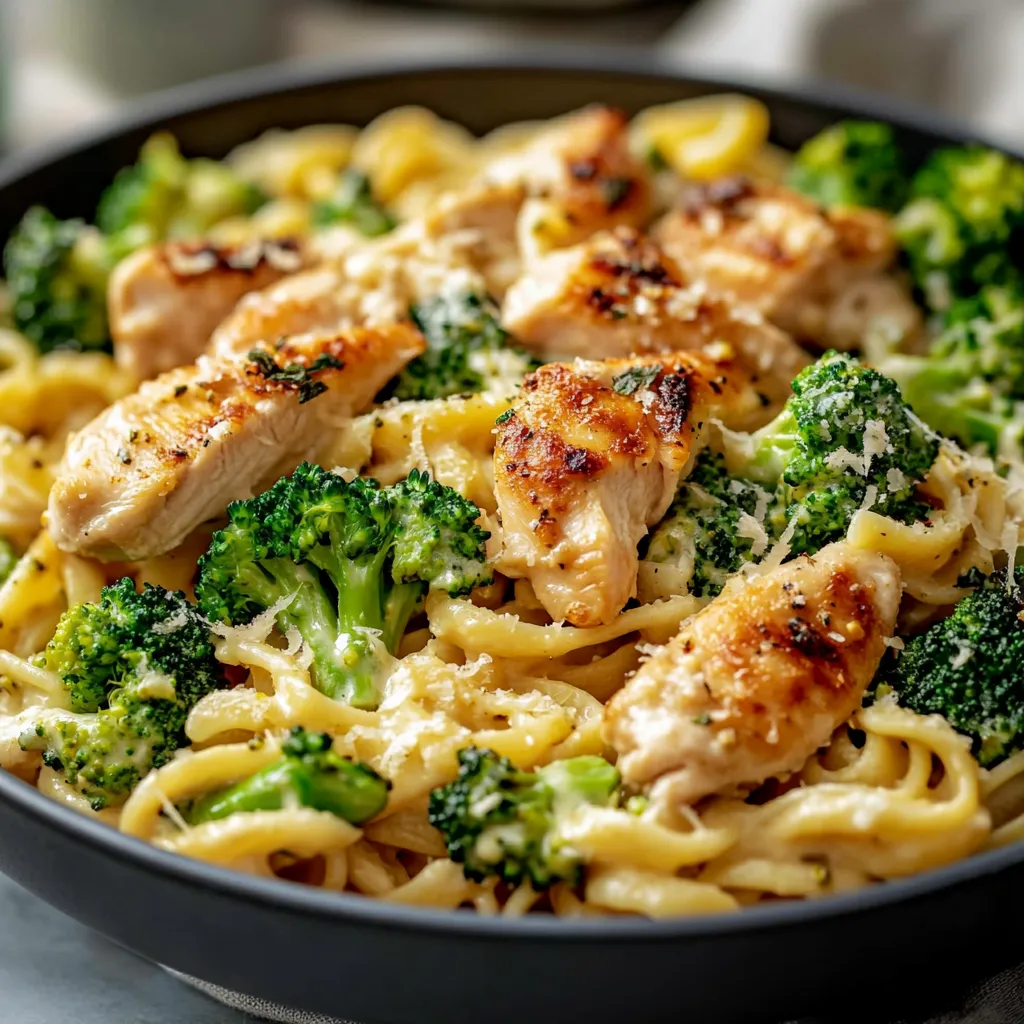
This rotisserie chicken broccoli pasta dinner proves that convenient shortcuts don’t mean sacrificing flavor or quality. With creamy sauce coating every piece of pasta, tender chicken throughout, and bright green broccoli adding color and nutrition, you get a complete meal that tastes homemade in just over half an hour.
Creamy Rotisserie Chicken Broccoli Pasta
Ingredients
Equipment
Method
- Bring a large pot of salted water to boil. Cook penne pasta according to package directions until al dente. During the last 3 minutes of cooking, add broccoli florets to the pasta water.
- Before draining, reserve 1 cup of pasta cooking water. Drain pasta and broccoli together and set aside.
- Heat olive oil and butter in your largest skillet over medium-low heat. Cook diced onion for 4-5 minutes until softened, then add minced garlic for 30 seconds until fragrant.
- Pour in heavy cream and chicken broth. Bring to a gentle simmer for 2-3 minutes, looking for small bubbles around the edges rather than a rolling boil.
- Remove skillet from heat completely. Whisk in Parmesan and mozzarella until completely smooth. Season with Italian seasoning, garlic powder, salt, pepper, and red pepper flakes if using.
- Add drained pasta and broccoli to the sauce, tossing with tongs to coat everything evenly. Fold in shredded rotisserie chicken.
- Add reserved pasta water 2 tablespoons at a time until sauce reaches a creamy, glossy consistency. Stir in a cold knob of butter just before serving for extra richness.