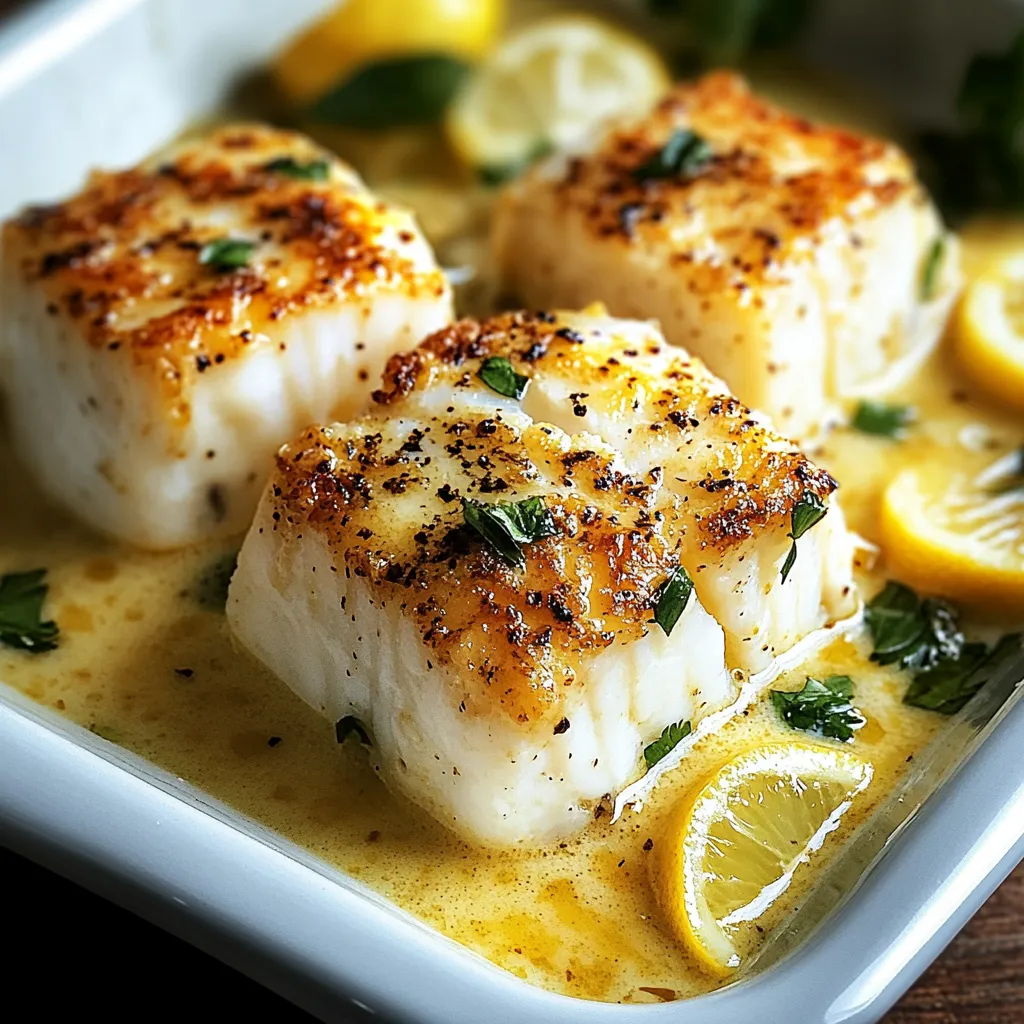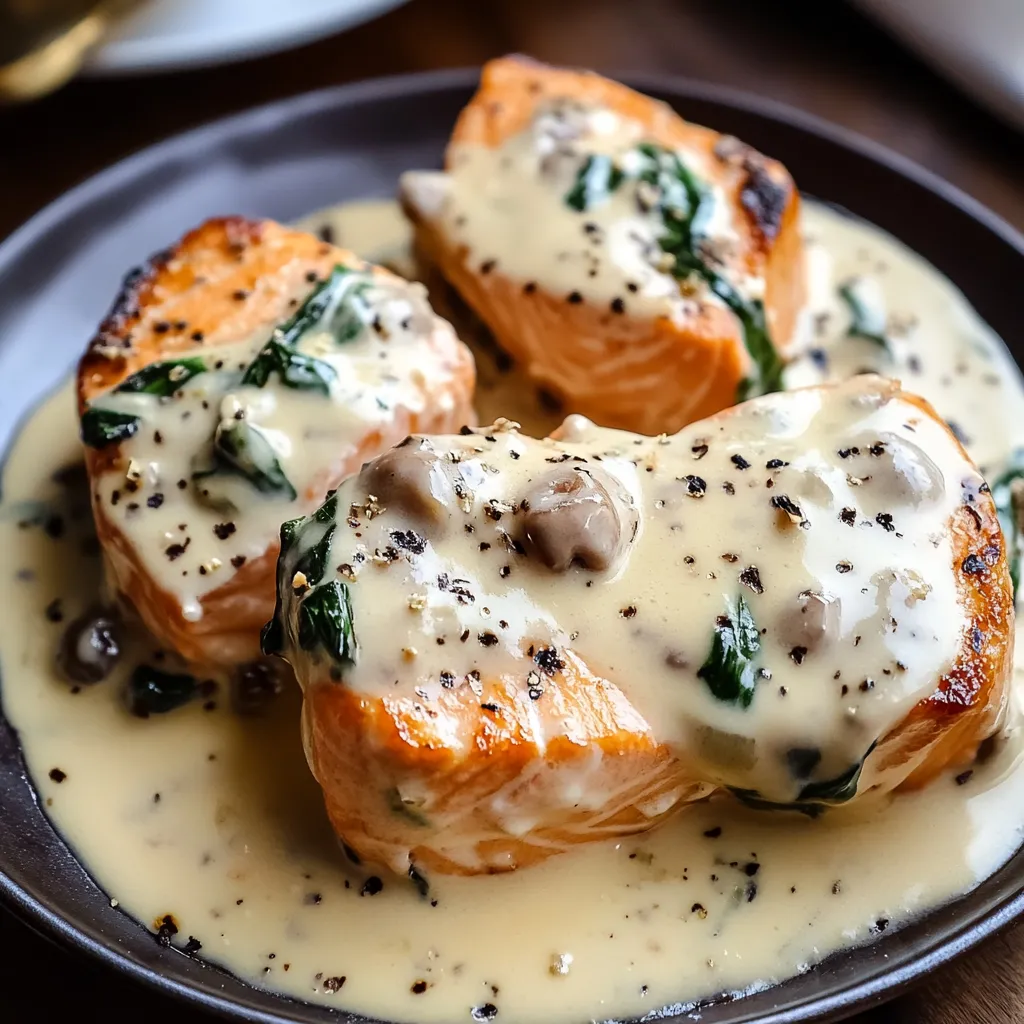
Fresh salmon seared until crispy and nestled in velvety garlic-Parmesan cream with wilted spinach creates the kind of dinner that feels luxurious but comes together faster than ordering takeout. This creamy salmon florentine recipe transforms simple ingredients into something restaurant-worthy in just 30 minutes.
The combination works because each element plays a specific role. The salmon stays tender and flaky while the cream sauce brings richness without overwhelming the fish’s natural flavor. Spinach adds color and nutrients, and those sun-dried tomatoes provide bursts of concentrated sweetness that cut through the richness perfectly.
Why You’ll Love This Creamy Salmon Florentine Recipe
Speed is the first thing that makes this recipe exceptional. From start to finish, you’re looking at 30 minutes, which puts homemade dinner squarely in weeknight territory. No long marinades, no complicated techniques, just straightforward cooking that delivers impressive results.
The flavor profile hits that sweet spot between comforting and elegant. Garlic and Parmesan create a classic cream sauce that feels indulgent, while lemon juice keeps everything balanced and bright. The slight heat from red pepper flakes adds depth without making things spicy.
This recipe adapts to whatever you have available. Fresh spinach can become kale, salmon can be swapped for chicken or trout, and dairy-free versions work beautifully with coconut cream. The flexibility means you can make this repeatedly without it feeling repetitive.
Each serving delivers 35 grams of protein, making this genuinely satisfying. You won’t find yourself hungry an hour later, and the healthy fats from the salmon keep you full in a good way. It’s rich enough to feel special but balanced enough not to leave you feeling weighed down.
The one-pan approach means minimal cleanup. Everything happens in a single skillet, which matters on busy evenings when doing dishes feels like the last thing you want to tackle.
Ingredients for Easy Creamy Salmon Florentine
I always choose salmon fillets that are roughly equal in thickness so they cook evenly. Look for pieces that are about 6 ounces each with the skin either on or off based on your preference.
For the Salmon:
- 4 fillets salmon, feel free to substitute with trout or chicken
For the Sauce:
- 1 cup cream, use coconut cream for a dairy-free alternative
- 3 cloves garlic, fresh garlic is preferred
- 1/2 cup Parmesan cheese, Pecorino Romano or nutritional yeast works well as vegan options
- 2 tablespoons lemon juice, lime juice can also be substituted
- 1/4 cup white wine, optional; omit or use vegetable broth for non-alcoholic version
- 1/2 teaspoon red pepper flakes, adjust according to your spice preference
For the Veggies:
- 4 cups spinach, swap with kale or Swiss chard if desired
- 1/2 cup sun-dried tomatoes, optional; fresh tomatoes can be used in a pinch
Heavy cream creates the most luscious sauce, but half-and-half works if you want something slightly lighter. For dairy-free cooking, coconut cream performs remarkably well without adding strong coconut flavor once combined with the other ingredients.
Fresh garlic makes a noticeable difference here compared to jarred minced garlic. Since the sauce is fairly simple, each ingredient’s quality shows through. Mince it finely so it distributes evenly and doesn’t leave you with big garlic chunks.
The Parmesan should be freshly grated rather than pre-shredded. Pre-shredded cheese contains anti-caking agents that prevent it from melting smoothly into the sauce. A block of Parmigiano-Reggiano grated on a microplane creates the silkiest texture.
Sun-dried tomatoes packed in oil work best because they’re already soft and flavorful. Drain them before using but save that oil for another use. If you only have dried ones, soak them in hot water for 10 minutes first.
Fresh spinach wilts down significantly, so 4 cups might look like a lot raw but reduces to just the right amount. Baby spinach is more tender than mature spinach and doesn’t need the stems removed, which saves prep time.
How to Make Creamy Salmon Florentine Recipe
The technique here is about building layers of flavor in one pan. Each step adds something important, and the order matters for getting the best results.
1. Season the Salmon: Pat your salmon fillets completely dry with paper towels, then season both sides generously with salt and pepper. Dry surface is crucial for getting a good sear rather than steaming the fish.
2. Sear to Perfection: Heat 2 tablespoons of oil in a large skillet over medium-high heat until shimmering. Place salmon fillets skin-side up (if they have skin) and cook undisturbed for 4-5 minutes until a golden crust forms. Flip carefully and cook another 4-5 minutes until the salmon is cooked through but still slightly translucent in the very center. Transfer to a plate and set aside.
3. Build the Sauce Base: In the same skillet without cleaning it (those brown bits add flavor), reduce heat to medium and add the minced garlic. Sauté for about 30 seconds until fragrant but not browned. Pour in the white wine if using and let it bubble for 1 minute to cook off the alcohol.
4. Create the Cream Sauce: Add the cream and bring to a gentle simmer. Stir in the Parmesan cheese and lemon juice, whisking until the cheese melts completely and the sauce thickens slightly, about 2-3 minutes. The sauce should coat the back of a spoon. Add the red pepper flakes and taste for seasoning.
5. Wilt the Greens: Add the spinach and sun-dried tomatoes to the sauce. Stir gently until the spinach wilts down completely, which takes about 1-2 minutes. The vibrant green against the creamy sauce looks beautiful.
6. Finish the Dish: Nestle the seared salmon fillets back into the skillet, spooning sauce over the top. Let everything heat together for 1-2 minutes so the flavors meld. The salmon will finish cooking gently in the warm sauce without drying out.
One common mistake is overcooking the salmon during the initial sear. Salmon continues cooking from residual heat, so pulling it when it’s just barely done ensures it stays moist and tender when you add it back to finish.
What to Serve with Creamy Salmon Florentine Recipe
This rich, creamy dish pairs beautifully with sides that provide texture contrast and help balance the sauce’s richness.
Buttery Mashed Potatoes: Creamy potatoes soak up the Parmesan sauce wonderfully. The smooth, starchy side complements the tender salmon and creates comfort food heaven on a plate.
Garlic Roasted Asparagus: Crisp-tender asparagus spears roasted with olive oil and garlic add a fresh vegetable element. The slight char and firm texture contrast nicely with the creamy sauce.
Crusty Bread: A good baguette or sourdough is essential for soaking up every bit of that garlic cream sauce. Toast it lightly and rub with a garlic clove for extra flavor.
Simple Rice Pilaf: Fluffy rice cooked with a bit of butter and herbs provides a neutral base that lets the salmon shine. It’s lighter than potatoes but still substantial enough to make a complete meal.
Zucchini Noodles: Spiralized zucchini tossed in the sauce creates a lower-carb option that still feels indulgent. The zoodles add freshness and don’t compete with the rich flavors.
Caesar Salad: Crisp romaine with creamy dressing, Parmesan, and croutons brings freshness and crunch. The similar flavor profiles create a cohesive meal without being redundant.
Roasted Cherry Tomatoes: Simple roasted tomatoes seasoned with olive oil, salt, and herbs add bright acidity that cuts through the cream sauce beautifully.
Pro Tips & Variations
Room Temperature Salmon: Take your salmon out of the refrigerator 15 minutes before cooking. Room temperature fish sears more evenly and cooks more predictably than cold fillets straight from the fridge.
Sauce Consistency Control: If your sauce gets too thick, thin it with a splash of pasta water, chicken broth, or white wine. If it’s too thin, let it simmer another minute or two until it reaches the right consistency.
Wine Substitution: Dry white wine adds depth, but vegetable or chicken broth works perfectly for alcohol-free versions. A splash of white wine vinegar mixed with broth adds that slight acidity wine would provide.
Chicken Variation: Use boneless, skinless chicken breasts pounded to even thickness. Sear them the same way but increase cooking time to 6-7 minutes per side until they reach 165°F internally.
Shrimp Alternative: Large shrimp cook even faster than salmon. Sear them for 2-3 minutes per side, remove, make the sauce, then add them back just to warm through.
Extra Vegetables: Sautéed mushrooms, artichoke hearts, or roasted red peppers all work beautifully in this sauce. Add them when you add the spinach.
Dairy-Free Version: Coconut cream creates a rich, creamy sauce, and nutritional yeast provides that cheesy, umami flavor. The result tastes remarkably similar to the original.
Meal Prep Friendly: Cook the salmon and make the sauce separately, storing them in different containers. Reheat the sauce gently and serve over freshly warmed salmon for best results.
Storage & Reheating Tips
Store leftover salmon and sauce together in an airtight container in the refrigerator for up to 2 days. The delicate nature of cooked salmon means it’s best enjoyed relatively fresh rather than saved for extended periods.
Reheating requires a gentle touch to avoid drying out the fish. Place everything in a skillet over low heat, covered, for 5-7 minutes until warmed through. Add a splash of cream or broth if the sauce has thickened too much in the fridge.
Microwave reheating works but tends to overcook the salmon. If you must use the microwave, heat in 30-second intervals at 50% power, checking frequently to avoid rubbery fish.
The cream sauce doesn’t freeze well as dairy tends to separate when thawed. If you want to meal prep, freeze just the seasoned raw salmon fillets and make the sauce fresh when you’re ready to cook.
Leftover salmon can be flaked and used in salads, pasta, or omelets within 2 days. The sauce makes an excellent pasta sauce on its own, tossed with fettuccine or linguine.
Common Questions
Can I use frozen salmon for this recipe? Yes, but thaw it completely first. Pat it extremely dry before seasoning, as frozen salmon releases more moisture. Thaw in the refrigerator overnight rather than at room temperature for food safety.
How do I know when the salmon is done? The salmon should flake easily with a fork and register 145°F on an instant-read thermometer. It’s fine if the very center is still slightly translucent and darker pink, as it will continue cooking from residual heat.
Can I make this sauce ahead of time? You can make the sauce up to 2 days ahead and store it refrigerated. Reheat gently over low heat, whisking in a splash of cream to restore the texture, then add your freshly seared salmon.
What if I don’t have sun-dried tomatoes? Fresh cherry tomatoes halved work well, or you can omit tomatoes entirely and add extra spinach or different vegetables like roasted red peppers or artichoke hearts.
Is the wine necessary? No, the wine adds depth but isn’t essential. Use vegetable broth, chicken broth, or skip the liquid entirely and just start with the cream. The dish will still taste excellent.
This creamy salmon florentine recipe proves that impressive dinners don’t require hours of work or complicated techniques. With tender salmon, silky cream sauce, and vibrant spinach all coming together in one pan, you get restaurant-quality results that fit into busy weeknight schedules.
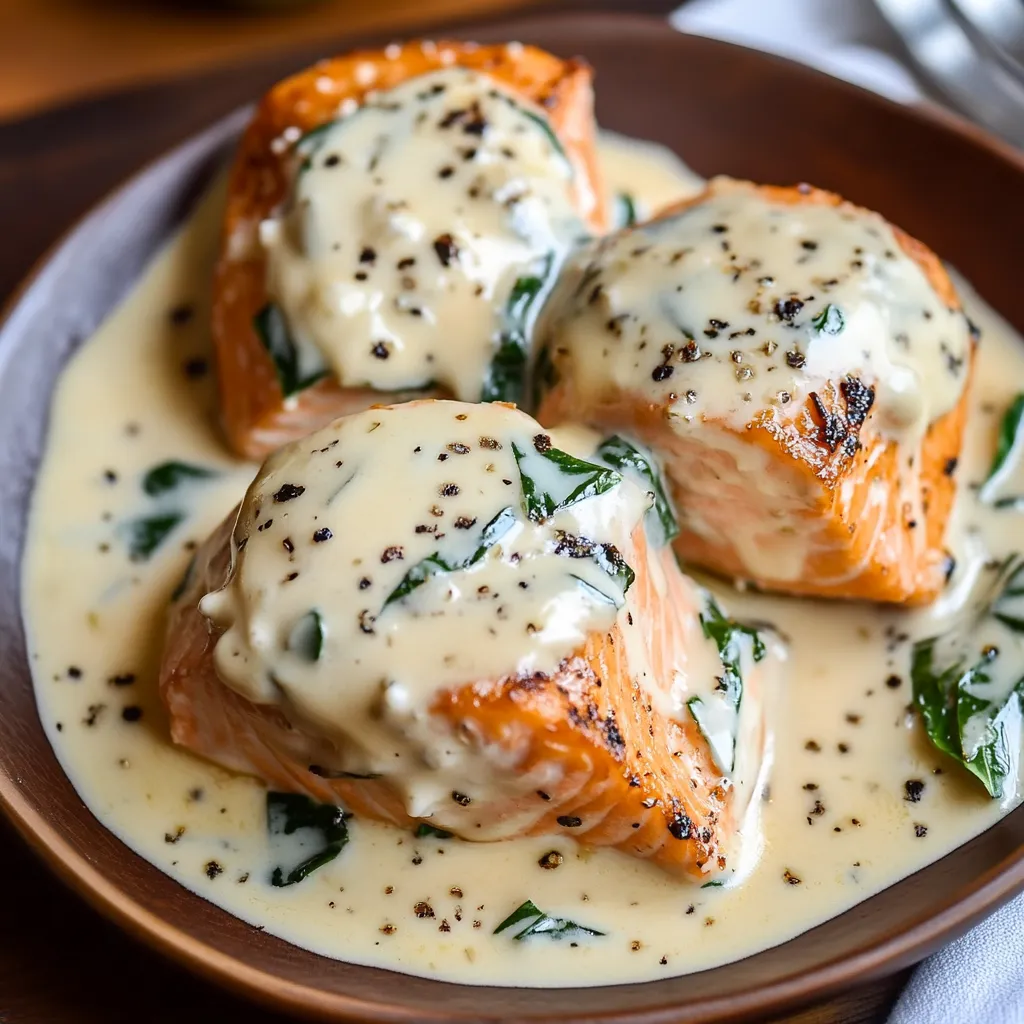
Easy Creamy Salmon Florentine
Ingredients
Equipment
Method
- Pat salmon fillets dry with paper towels and season both sides generously with salt and pepper.
- Heat 2 tablespoons oil in a large skillet over medium-high heat. Sear salmon for 4-5 minutes per side until golden brown and cooked through. Transfer to a plate.
- In the same skillet over medium heat, add minced garlic and sauté for 30 seconds until fragrant. Add white wine (if using) and let bubble for 1 minute.
- Add cream and bring to a gentle simmer. Stir in Parmesan cheese and lemon juice, whisking until cheese melts and sauce thickens, about 2-3 minutes. Add red pepper flakes.
- Add spinach and sun-dried tomatoes to the sauce. Stir until spinach wilts completely, about 1-2 minutes.
- Return salmon to the skillet, spooning sauce over the top. Heat together for 1-2 minutes. Garnish with extra Parmesan or fresh parsley before serving.