Unlocking the Secrets: The Science Behind Perfect Cashew Chicken
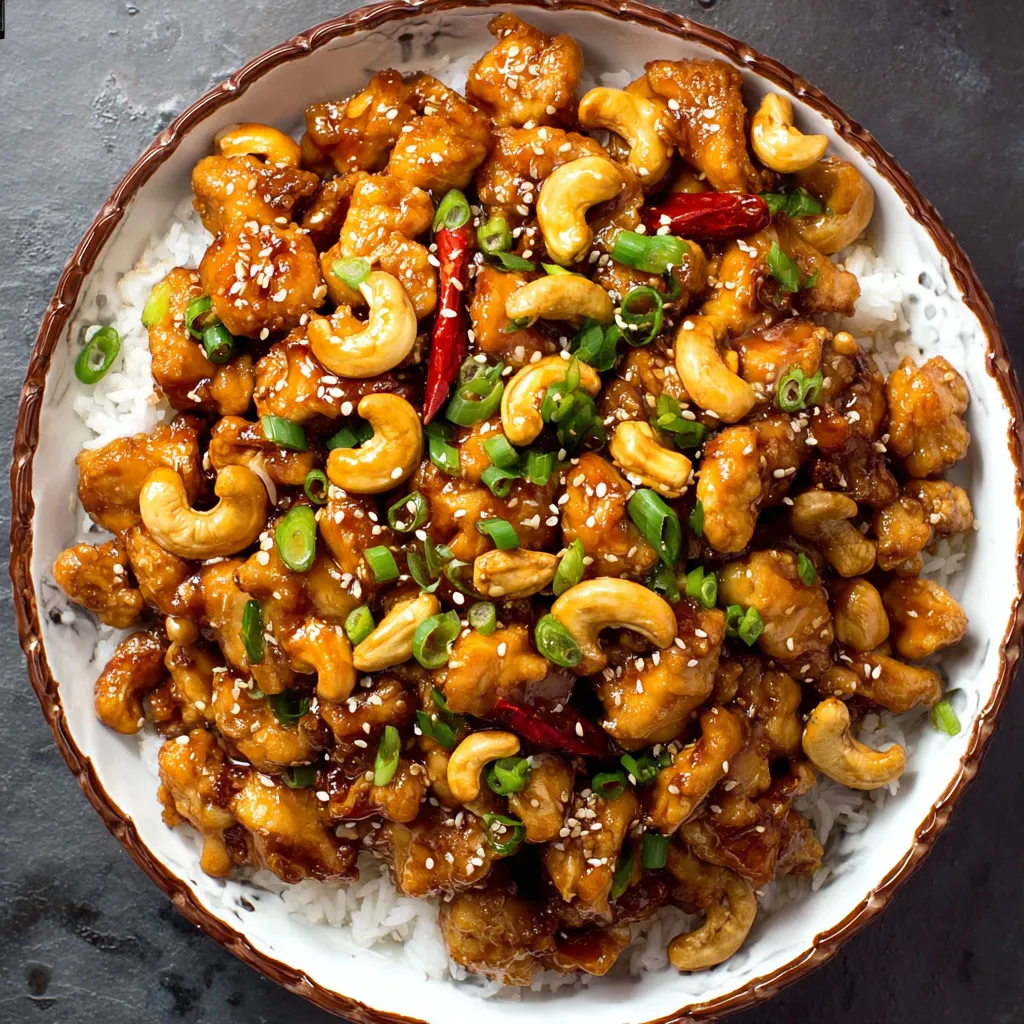 The magic of Cashew Chicken lies in a delicate balance of textures and flavors. We’re talking about tender, juicy chicken; crisp, flavorful vegetables; perfectly roasted cashews; and a sauce that’s both sweet and savory, clinging beautifully to every component. Achieving this requires understanding the science behind each element.
- Chicken Tenderization: Chicken breast, while lean and healthy, can easily become dry and tough if overcooked. The key is to use a velveting technique – marinating the chicken in a mixture of cornstarch, egg white, and soy sauce. This creates a protective coating that helps retain moisture during cooking. The cornstarch also reacts with the heat, creating a slightly crisp exterior.
- Vegetable Crispness: Nobody wants soggy vegetables! High heat and quick cooking are crucial. Using a wok or a large skillet allows for even heat distribution. Choose vegetables that can stand up to the heat, like bell peppers, onions, and carrots.
- Cashew Roasting: Raw cashews lack the depth of flavor that makes Cashew Chicken so addictive. Roasting brings out their nutty aroma and provides a satisfying crunch. You can roast them in the oven or in a dry skillet, but keep a close eye on them – they burn easily!
- Sauce Emulsification: The sauce is the glue that holds everything together. It needs to be thick enough to coat the ingredients without being gloopy. The key is to use a cornstarch slurry – a mixture of cornstarch and cold water – to thicken the sauce. Make sure to whisk the slurry into the sauce gradually to avoid lumps. The balance of soy sauce, sugar, vinegar, and other seasonings is also critical for achieving the desired sweet and savory flavor profile.
The Ultimate Cashew Chicken Recipe
This recipe is the result of countless experiments and tweaks. It’s designed to be foolproof, even for beginner cooks.Ingredients:
- For the Chicken:
- 1.5 lbs boneless, skinless chicken breasts, cut into 1-inch pieces
- 1 tbsp soy sauce
- 1 tbsp rice wine or dry sherry
- 1 egg white
- 2 tbsp cornstarch
- 1 tbsp vegetable oil
- For the Sauce:
- 1/4 cup soy sauce
- 2 tbsp oyster sauce (optional, but highly recommended)
- 2 tbsp rice wine vinegar
- 2 tbsp sugar
- 1 tbsp sesame oil
- 1/2 cup chicken broth
- 2 tbsp cornstarch
- 2 tbsp cold water
- 1/2 tsp ground ginger
- 1/4 tsp red pepper flakes (optional, for a little heat)
- For the Vegetables:
- 1 tbsp vegetable oil
- 1 red bell pepper, cut into 1-inch pieces
- 1 green bell pepper, cut into 1-inch pieces
- 1 medium onion, cut into 1-inch pieces
- 1 cup celery, sliced
- 1 cup carrots, sliced
- 2 cloves garlic, minced
- For the Cashews:
- 1 cup raw cashews
- For Serving:
- Cooked rice, for serving
- Green onions, chopped, for garnish
Instructions:
- Prepare the Chicken: In a medium bowl, combine the chicken pieces with soy sauce, rice wine, egg white, and cornstarch. Mix well and let marinate for at least 20 minutes (or up to 2 hours) in the refrigerator.
- Roast the Cashews: Preheat oven to 350°F (175°C). Spread the cashews in a single layer on a baking sheet. Roast for 8-10 minutes, or until lightly golden and fragrant, stirring halfway through. Alternatively, toast cashews in a dry skillet over medium heat, stirring frequently, until golden brown. Be careful not to burn them!
- Prepare the Sauce: In a small bowl, whisk together soy sauce, oyster sauce (if using), rice wine vinegar, sugar, sesame oil, chicken broth, ginger, and red pepper flakes (if using). In a separate small bowl, whisk together cornstarch and cold water to create a slurry. Set both bowls aside.
- Cook the Chicken: Heat 1 tablespoon of vegetable oil in a large skillet or wok over high heat. Add the marinated chicken and cook, stirring constantly, until browned and cooked through, about 5-7 minutes. Remove the chicken from the skillet and set aside.
- Cook the Vegetables: Add another tablespoon of vegetable oil to the skillet. Add the bell peppers, onion, celery, carrots, and garlic. Cook, stirring frequently, until the vegetables are tender-crisp, about 5-7 minutes.
- Combine and Simmer: Pour the sauce into the skillet with the vegetables. Bring to a simmer and then slowly whisk in the cornstarch slurry. Cook, stirring constantly, until the sauce has thickened, about 1-2 minutes.
- Finish and Serve: Add the cooked chicken and roasted cashews to the skillet. Toss to coat everything evenly with the sauce. Cook for another minute or two, until heated through. Serve immediately over cooked rice. Garnish with chopped green onions.
My Cashew Chicken Odyssey: From Flop to Phenomenal
My journey to perfecting Cashew Chicken was far from smooth. My first few attempts were a disaster – the chicken was tough, the vegetables were soggy, and the sauce was either too thin or a gluey mess. But I refused to give up. I knew there had to be a way to recreate that restaurant-quality flavor and texture at home.The Great Chicken Calamity
Like many of you, I initially thought that simply throwing some chicken and vegetables into a wok with some sauce would magically result in delicious Cashew Chicken. I was wrong. My chicken was always dry and rubbery. I tried different cuts of chicken, different cooking times, and different marinades, but nothing seemed to work. Then, I stumbled upon the velveting technique. That was my first “Aha!” moment. The cornstarch coating created a barrier that protected the chicken from drying out, and the egg white helped to tenderize it. Suddenly, my chicken was juicy and tender, just like in the restaurants. I started thinking about other Asian cuisine staples and techniques. I wondered if this would work on a dish like Chicken Lo Mein Recipe?The Soggy Vegetable Saga
Next, I tackled the issue of the vegetables. They were always overcooked and mushy. I tried adding them at different times, but nothing seemed to work. Then, I realized that the problem wasn’t the timing; it was the heat. I needed to cook the vegetables over high heat and stir them constantly to prevent them from steaming. I also learned to choose vegetables that could stand up to the heat, like bell peppers, onions, and carrots. Softer vegetables, like broccoli and zucchini, tended to become soggy no matter what I did.The Sauce Debacle: A Tale of Two Textures
The sauce was perhaps the most challenging aspect of the recipe. I wanted a sauce that was thick enough to coat the ingredients without being too heavy or gloopy. I tried using different amounts of cornstarch, but it was always either too thin or too thick. Then, I learned the importance of the cornstarch slurry. By mixing the cornstarch with cold water before adding it to the sauce, I could ensure that it would dissolve evenly and thicken the sauce without forming lumps. The other key was the balance of flavors. Too much soy sauce, and the sauce would be too salty. Too much sugar, and it would be cloyingly sweet. It took me several tries to find the perfect balance of soy sauce, rice wine vinegar, sugar, and sesame oil. Now, I can whip up a batch of this and use a similar technique on dishes like Basil Chicken Coconut Curry!Cashew Conundrums
Finally, the cashews. Initially, I just threw raw cashews into the skillet with the other ingredients. They were bland and lacked the satisfying crunch that I was looking for. I realized that I needed to roast them first to bring out their nutty flavor and create a crisp texture. I experimented with different roasting times and temperatures until I found the sweet spot – 8-10 minutes at 350°F (175°C). Roasting the cashews separately also allowed me to control the level of browning, ensuring that they were perfectly golden and not burnt.The Foolproof Method: Your Cashew Chicken Checklist
After all my experimentation, I’ve distilled the process down to a few key steps that guarantee success every time. Follow these steps, and you’ll be making restaurant-quality Cashew Chicken in no time:- Velvet the Chicken: Marinate the chicken in a mixture of soy sauce, rice wine, egg white, and cornstarch. This will keep it tender and juicy.
- Roast the Cashews: Roast the cashews in the oven or in a dry skillet until lightly golden and fragrant. This will bring out their nutty flavor and create a crisp texture.
- Prepare the Sauce: Whisk together all the sauce ingredients in a small bowl. Make a cornstarch slurry by mixing cornstarch with cold water.
- Cook the Chicken: Cook the chicken in a hot skillet or wok until browned and cooked through.
- Cook the Vegetables: Cook the vegetables in the same skillet or wok until tender-crisp.
- Combine and Simmer: Pour the sauce into the skillet with the vegetables. Bring to a simmer and then slowly whisk in the cornstarch slurry. Cook until the sauce has thickened.
- Finish and Serve: Add the cooked chicken and roasted cashews to the skillet. Toss to coat everything evenly with the sauce. Serve immediately over cooked rice. Garnish with chopped green onions.
What is the ‘velveting’ technique mentioned for the chicken, and why is it important?
The velveting technique involves marinating the chicken in a mixture of cornstarch, egg white, and soy sauce. This creates a protective coating that helps retain moisture during cooking, preventing the chicken from becoming dry and tough. The cornstarch also contributes to a slightly crisp exterior.
Why is it important to roast the cashews before adding them to the dish?
Roasting the cashews brings out their nutty aroma and provides a satisfying crunch, which raw cashews lack. Roasting enhances the overall flavor and texture of the Cashew Chicken.
What is a cornstarch slurry, and why is it used in the sauce?
A cornstarch slurry is a mixture of cornstarch and cold water. It’s used to thicken the sauce evenly without forming lumps. Whisking the slurry gradually into the simmering sauce ensures a smooth and consistent texture.
What are some key steps to avoid soggy vegetables in this recipe?
To avoid soggy vegetables, cook them over high heat in a wok or large skillet, stirring frequently. Choose vegetables that can stand up to the heat, like bell peppers, onions, and carrots. High heat and quick cooking are crucial for maintaining vegetable crispness.
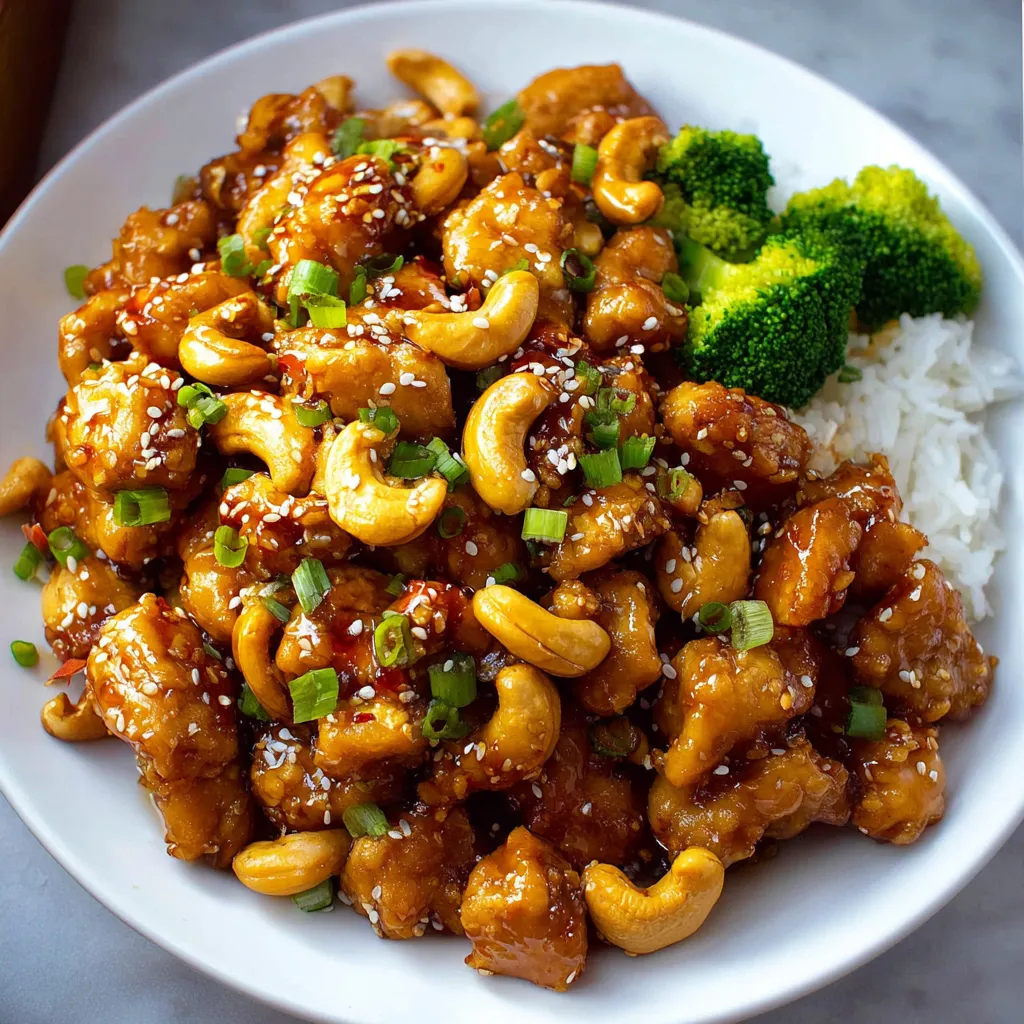
Easy Cashew Chicken
Ingredients
Equipment
Method
- In a medium bowl, combine the chicken pieces with soy sauce, rice wine, egg white, and cornstarch. Mix well and let marinate for at least 20 minutes (or up to 2 hours) in the refrigerator.
- Preheat oven to 350°F (175°C). Spread the cashews in a single layer on a baking sheet. Roast for 8-10 minutes, or until lightly golden and fragrant, stirring halfway through. Alternatively, toast cashews in a dry skillet over medium heat, stirring frequently, until golden brown. Be careful not to burn them!
- In a small bowl, whisk together soy sauce, oyster sauce (if using), rice wine vinegar, sugar, sesame oil, chicken broth, ginger, and red pepper flakes (if using). In a separate small bowl, whisk together cornstarch and cold water to create a slurry. Set both bowls aside.
- Heat 1 tablespoon of vegetable oil in a large skillet or wok over high heat. Add the marinated chicken and cook, stirring constantly, until browned and cooked through, about 5-7 minutes. Remove the chicken from the skillet and set aside.
- Add another tablespoon of vegetable oil to the skillet. Add the bell peppers, onion, celery, carrots, and garlic. Cook, stirring frequently, until the vegetables are tender-crisp, about 5-7 minutes.
- Pour the sauce into the skillet with the vegetables. Bring to a simmer and then slowly whisk in the cornstarch slurry. Cook, stirring constantly, until the sauce has thickened, about 1-2 minutes.
- Add the cooked chicken and roasted cashews to the skillet. Toss to coat everything evenly with the sauce. Cook for another minute or two, until heated through. Serve immediately over cooked rice. Garnish with chopped green onions.