I still remember the slightly burnt, yet intensely comforting, bowl of Mac And Cheese my grandma would whip up on rainy days – it was pure love in a dish, even with those crispy edges! The recipe was simple, but the flavor was unforgettable. I’m going to share everything I know so you can create an even more amazing version that will bring smiles to everyone at your table. Get ready for the creamiest, cheesiest, most satisfying Mac And Cheese you’ve ever had!
The Secret to Unforgettable Mac And Cheese
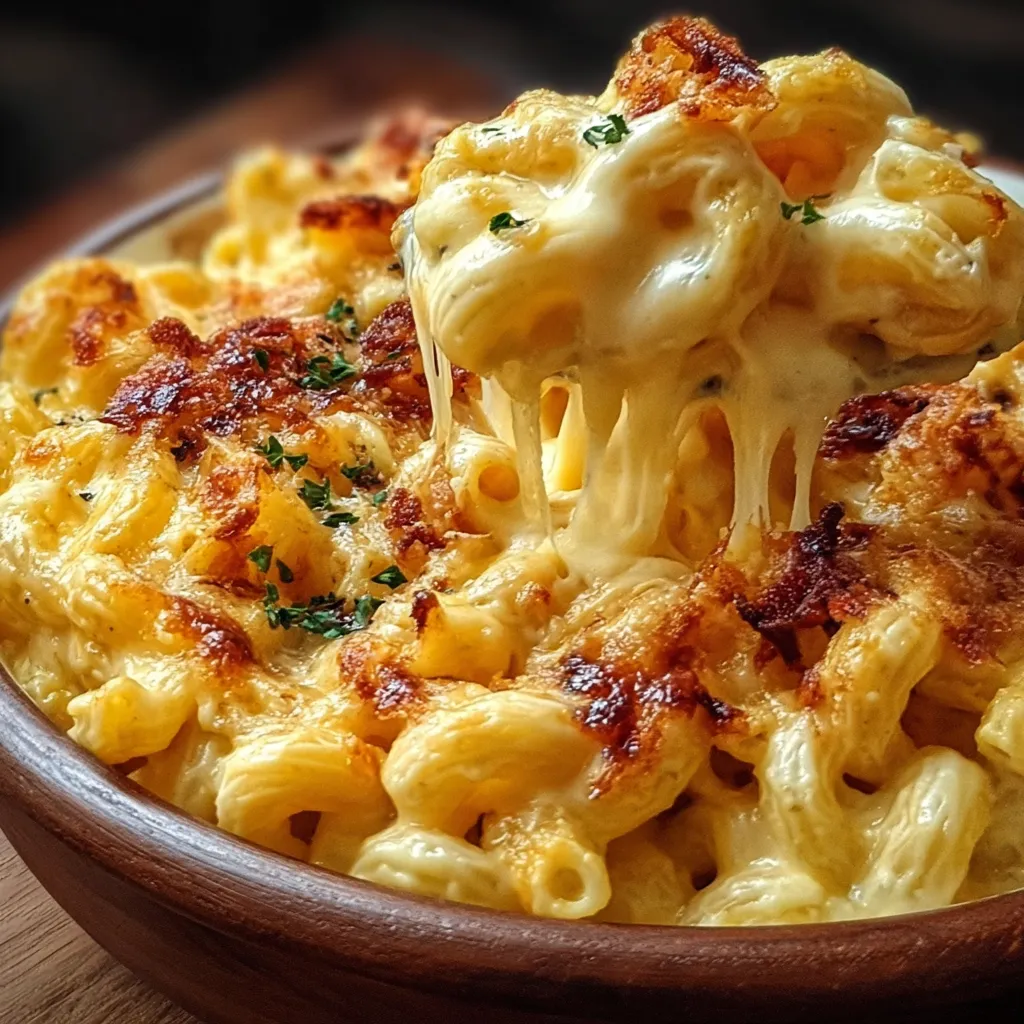
Okay, friend, let’s talk Mac And Cheese. It seems simple, right? Pasta, cheese sauce… but oh, the pitfalls! I’m here to guide you through every step, ensuring you avoid the common mistakes and achieve Mac And Cheese nirvana. We’re talking creamy, dreamy, cheesy perfection. Forget the boxed stuff – we’re making magic from scratch.
Choosing Your Pasta: The Foundation of Flavor
First things first: the pasta. While elbows are traditional (and adorable!), don’t be afraid to experiment! Here’s a breakdown of my favorite Mac And Cheese pasta shapes:
- Elbow Macaroni: Classic, holds sauce well, and evokes childhood memories.
- Cavatappi (Cellentani): These corkscrew shapes are fantastic at grabbing onto cheese sauce.
- Penne: Ridges galore mean maximum sauce cling!
- Shells (Small or Medium): Each shell becomes a little cheese-filled pocket.
- Orecchiette: The “little ears” are perfect for scooping up all that cheesy goodness.
No matter what shape you choose, remember to cook it al dente! Slightly undercooked pasta will hold its shape and texture in the oven (if you’re baking it) or as it sits in the sauce. Nobody wants mushy Mac And Cheese!
Crafting the Perfect Cheese Sauce: A Step-by-Step Guide
The cheese sauce is where the magic truly happens. This isn’t just about melting cheese; it’s about creating a smooth, flavorful, and utterly irresistible sauce. Here’s my tried-and-true method:
1. The Roux: The Foundation of Creaminess
A roux is a cooked mixture of butter and flour, and it’s essential for thickening the sauce. Here’s how to nail it:
- Melt the Butter: In a medium saucepan over medium heat, melt unsalted butter. Use good quality butter – it makes a difference!
- Add the Flour: Whisk in all-purpose flour until a smooth paste forms. This is your roux.
- Cook the Roux: Cook the roux for 1-2 minutes, stirring constantly. This cooks out the raw flour taste. Don’t let it brown too much!
Troubleshooting the Roux:
- Lumpy Roux: If your roux is lumpy, don’t panic! Just keep whisking vigorously. You can also try passing it through a fine-mesh sieve to remove the lumps.
- Burnt Roux: If your roux burns, start over! A burnt roux will ruin the flavor of your entire sauce.
2. Adding the Liquid: The Creamy Base
Slowly whisk in the liquid to create a smooth sauce. I prefer a combination of milk and cream for richness, but you can adjust it to your liking.
- Warm the Liquid: Warm the milk and cream in a separate saucepan or in the microwave. This helps the sauce come together more easily.
- Slowly Whisk: Gradually whisk the warm milk and cream into the roux, a little at a time, until the sauce is smooth and creamy.
- Simmer: Bring the sauce to a simmer, stirring constantly, until it thickens slightly. This usually takes about 5-7 minutes.
3. The Cheese: The Star of the Show
Now for the best part: the cheese! The key to a great cheese sauce is using a variety of cheeses for depth of flavor. Here are my go-to choices:
- Sharp Cheddar: Provides that classic Mac And Cheese flavor.
- Gruyere: Adds a nutty, slightly sweet flavor and melts beautifully.
- Monterey Jack: Contributes to the creaminess and adds a mild flavor.
- Fontina: Another excellent melting cheese with a rich, buttery flavor.
- Gouda: Offers a slightly smoky and complex flavor.
Tips for Adding Cheese:
- Shred Your Own Cheese: Pre-shredded cheese often contains cellulose, which can prevent it from melting smoothly.
- Add Cheese Gradually: Add the cheese to the sauce in small batches, stirring until each batch is melted before adding more. This helps prevent the sauce from becoming grainy.
- Low Heat: Keep the heat low while adding the cheese. High heat can cause the cheese to separate and become oily.
4. Seasoning: The Finishing Touch
Don’t forget to season your cheese sauce! Salt and pepper are essential, but you can also add other seasonings to enhance the flavor.
- Salt and Pepper: Season to taste.
- Nutmeg: A pinch of nutmeg adds a warm, subtle flavor.
- Garlic Powder: Enhances the savory flavor.
- Onion Powder: Adds a hint of sweetness.
- Dry Mustard: Provides a subtle tang and helps emulsify the sauce.
- Hot Sauce: A dash of hot sauce adds a little kick.
Assembling Your Mac And Cheese: The Grand Finale
Once your pasta is cooked and your cheese sauce is ready, it’s time to assemble your Mac And Cheese! There are two main ways to do this: stovetop or baked. Let’s explore both options.
Stovetop Mac And Cheese: Quick and Easy
Stovetop Mac And Cheese is perfect for a quick and easy weeknight meal.
- Combine Pasta and Sauce: Add the cooked pasta to the cheese sauce and stir until well combined.
- Adjust Consistency: If the sauce is too thick, add a little more milk or cream until it reaches your desired consistency.
- Serve Immediately: Serve the Mac And Cheese immediately.
Baked Mac And Cheese: Extra Creamy and Cheesy
Baked Mac And Cheese is a bit more involved, but the results are worth it! Baking the Mac And Cheese creates a crispy topping and allows the flavors to meld together.
- Preheat Oven: Preheat your oven to 350°F (175°C).
- Combine Pasta and Sauce: Add the cooked pasta to the cheese sauce and stir until well combined.
- Pour into Baking Dish: Pour the Mac And Cheese into a greased baking dish.
- Add Topping (Optional): Top with breadcrumbs, extra cheese, or a combination of both.
- Bake: Bake for 20-25 minutes, or until the topping is golden brown and the Mac And Cheese is bubbly.
- Let Rest: Let the Mac And Cheese rest for a few minutes before serving.
Mac And Cheese Variations: Let Your Creativity Shine!
Now that you’ve mastered the basic Mac And Cheese, it’s time to get creative! Here are some of my favorite variations:
- Bacon Mac And Cheese: Add crispy bacon pieces to the Mac And Cheese for a smoky, savory flavor.
- Lobster Mac And Cheese: Indulge in a luxurious Lobster Mac And Cheese by adding cooked lobster meat.
- Buffalo Chicken Mac And Cheese: Combine the flavors of Buffalo wings and Mac And Cheese by adding shredded chicken, Buffalo sauce, and blue cheese crumbles.
- Vegetarian Mac And Cheese: Add roasted vegetables like broccoli, cauliflower, or bell peppers to the Mac And Cheese for a healthy and flavorful twist.
- Spicy Mac And Cheese: Add chopped jalapeños or a pinch of cayenne pepper to the cheese sauce for a spicy kick.
If you’re looking for a comforting casserole dish, you might also enjoy a Chicken Casserole. It’s another family favorite that’s easy to customize.
Tips and Tricks for Mac And Cheese Perfection
Here are a few more tips and tricks to help you achieve Mac And Cheese perfection:
- Don’t Overcook the Pasta: Overcooked pasta will become mushy in the Mac And Cheese. Cook it al dente for the best texture.
- Use a Variety of Cheeses: A combination of cheeses will add depth of flavor to your Mac And Cheese.
- Shred Your Own Cheese: Pre-shredded cheese often contains cellulose, which can prevent it from melting smoothly.
- Add Cheese Gradually: Add the cheese to the sauce in small batches, stirring until each batch is melted before adding more.
- Low Heat: Keep the heat low while adding the cheese to prevent it from separating and becoming oily.
- Season to Taste: Don’t be afraid to experiment with different seasonings to find your perfect flavor combination.
- Add a Topping: A breadcrumb or cheese topping adds a crispy texture to baked Mac And Cheese.
- Let Rest: Let the Mac And Cheese rest for a few minutes before serving to allow the flavors to meld together.
For another cheesy and satisfying meal, check out Chili Cheese Tater Tot Casserole. It’s a fun and flavorful twist on classic comfort food.
Mac And Cheese Troubleshooting: Common Problems and Solutions
Even with the best instructions, things can sometimes go wrong. Here are some common Mac And Cheese problems and how to fix them:
- Grainy Sauce: A grainy sauce is usually caused by overheating the cheese. Keep the heat low and add the cheese gradually, stirring constantly.
- Oily Sauce: An oily sauce is also caused by overheating the cheese. Make sure to use low heat and avoid overcooking the sauce.
- Thick Sauce: If the sauce is too thick, add a little more milk or cream until it reaches your desired consistency.
- Thin Sauce: If the sauce is too thin, you can thicken it by adding a cornstarch slurry (1 tablespoon cornstarch mixed with 2 tablespoons cold water). Stir the slurry into the sauce and simmer until it thickens.
- Bland Flavor: If the Mac And Cheese is bland, add more salt, pepper, or other seasonings to taste.
Sometimes I want an easy meal that comes together quickly, similar to my Cheesy Chicken Crescent Bake recipe. Both are very family friendly.
Make-Ahead Mac And Cheese: Perfect for Parties
Mac And Cheese is a great dish to make ahead of time for parties or potlucks. Here’s how to do it:
- Prepare the Mac And Cheese: Prepare the Mac And Cheese according to your favorite recipe.
- Cool: Let the Mac And Cheese cool completely.
- Store: Store the Mac And Cheese in an airtight container in the refrigerator for up to 3 days.
- Reheat: Reheat the Mac And Cheese in the oven or microwave until heated through. You may need to add a little milk or cream to loosen it up.
If you want a meatless make-ahead option, Spinach Mushroom Lasagna is another great choice!
Looking for a simple side? Garlic Parmesan Spaghetti is quick, easy, and always a crowd-pleaser.
Low Carb Mac And Cheese Alternatives
Craving that Mac And Cheese goodness but watching your carbs? Don’t worry, I’ve got you covered! There are some fantastic ways to enjoy a low-carb version without sacrificing flavor.
- Cauliflower Mac And Cheese: Substitute traditional pasta with cauliflower florets for a surprisingly satisfying and healthy alternative. Roast the cauliflower beforehand to bring out its sweetness and prevent it from being soggy.
- Zucchini Noodles (Zoodles) Mac And Cheese: Spiralize zucchini into noodles and lightly sauté them before adding your cheese sauce. Zoodles have a mild flavor that pairs well with cheesy sauces.
- Keto Mac And Cheese Sauce: When making your cheese sauce, use a keto-friendly thickener like xanthan gum or cream cheese instead of a traditional roux. This will keep the carb count low while maintaining a creamy texture.
And if you are wanting another creamy low-carb recipe, you should check out my Creamy Low Carb Chicken Casserole. It’s a winner!
Final Thoughts: Your Mac And Cheese Adventure Awaits!
Making Mac And Cheese from scratch is a rewarding experience. It’s a dish that’s sure to bring comfort and joy to everyone who tries it. So, grab your apron, gather your ingredients, and get ready to create the ultimate Mac And Cheese! Don’t be afraid to experiment and make it your own. Happy cooking!
What types of pasta are recommended for Mac and Cheese, and why?
Elbow macaroni, cavatappi, penne, shells (small or medium), and orecchiette are all good choices. Elbows are classic and hold sauce well. Cavatappi and penne have ridges that grab sauce. Shells become cheese-filled pockets, and orecchiette are great for scooping up cheese.
What’s the secret to a creamy, non-grainy cheese sauce?
Use a variety of cheeses, shred your own cheese, add the cheese gradually in small batches over low heat, and stir constantly to prevent overheating, which can cause the sauce to become grainy or oily.
What is a roux, and why is it important for Mac and Cheese?
A roux is a cooked mixture of butter and flour. It’s the foundation of the cheese sauce and essential for thickening it to a smooth, creamy consistency.
How can I make Mac and Cheese ahead of time?
Prepare the Mac and Cheese, cool it completely, store it in an airtight container in the refrigerator for up to 3 days, and reheat it in the oven or microwave. You may need to add a little milk or cream to loosen it up when reheating.
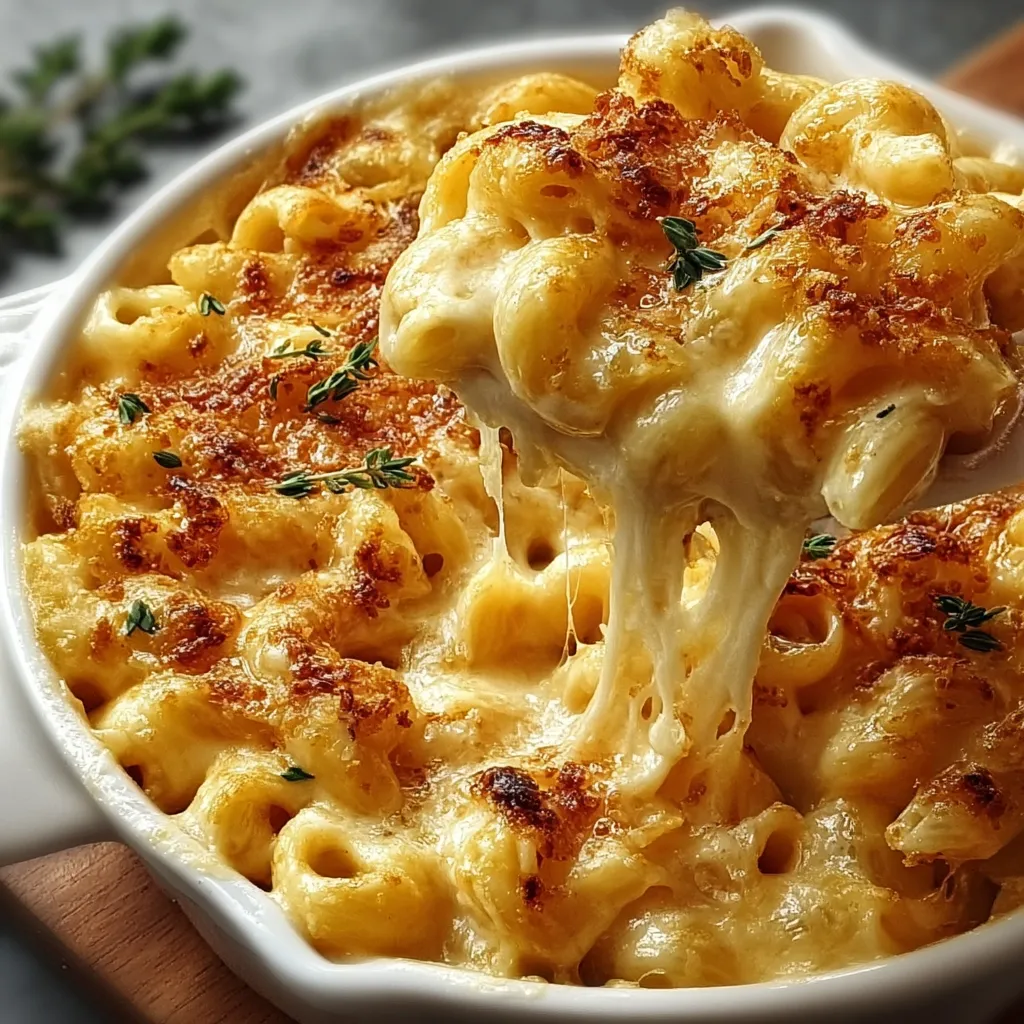
ULTIMATE Mac and Cheese
Ingredients
Equipment
Method
- Cook the pasta: Cook the pasta al dente according to package directions. Drain and set aside.
- Make the roux: In a medium saucepan over medium heat, melt the butter. Whisk in the flour until a smooth paste forms (the roux). Cook the roux for 1-2 minutes, stirring constantly.
- Add the liquid: Warm the milk and cream in a separate saucepan or in the microwave. Gradually whisk the warm milk and cream into the roux, a little at a time, until the sauce is smooth and creamy.
- Simmer: Bring the sauce to a simmer, stirring constantly, until it thickens slightly (about 5-7 minutes).
- Add the cheese: Reduce the heat to low. Add the cheeses gradually, stirring until each batch is melted before adding more.
- Season: Season with salt, pepper, nutmeg, garlic powder, onion powder, dry mustard, and hot sauce (if using).
- Combine: Add the cooked pasta to the cheese sauce and stir until well combined.
- For stovetop: Adjust consistency with more milk or cream if needed. Serve immediately.
- For baked (optional): Preheat oven to 350°F (175°C). Pour the Mac And Cheese into a greased baking dish. Top with breadcrumbs or extra cheese. Bake for 20-25 minutes, or until the topping is golden brown and the Mac And Cheese is bubbly. Let rest for a few minutes before serving.