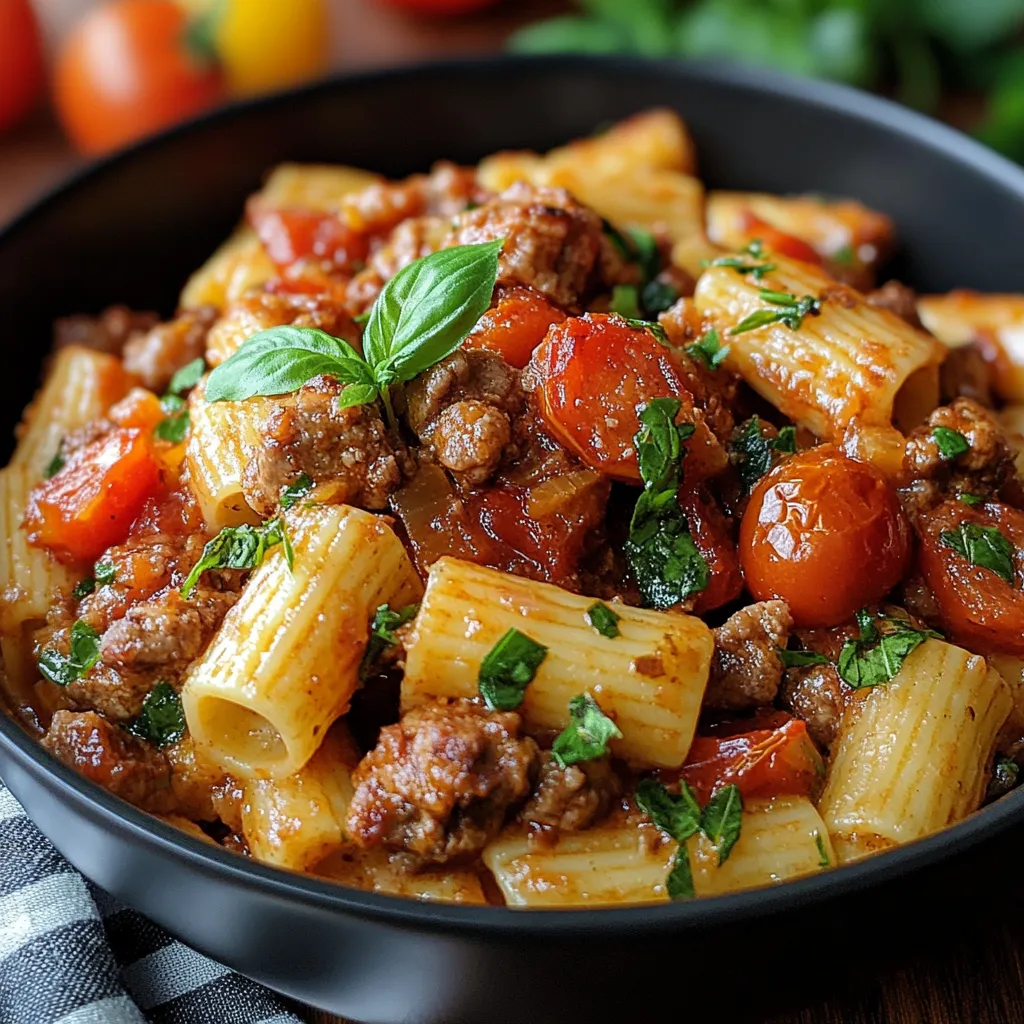
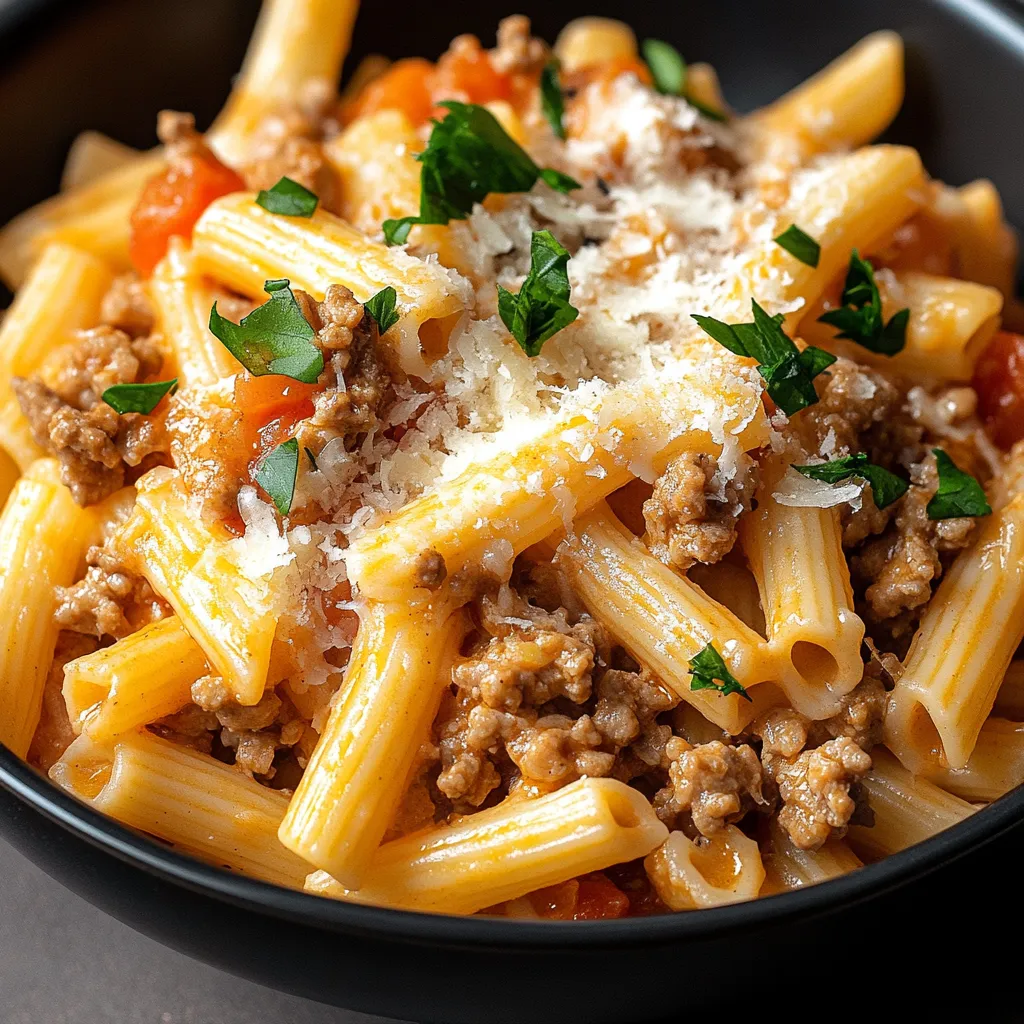
There’s something absolutely magical about pasta that cooks directly in broth, absorbing every bit of flavor while creating its own creamy sauce through the released starches. This Viral Creamy Garlic Butter Ditalini Pasta took TikTok by storm for good reason—it delivers restaurant-quality results in just 15 minutes with ingredients you probably already have in your pantry. The tiny tube-shaped ditalini pasta becomes incredibly creamy without a traditional sauce, and the garlic butter parmesan finish makes it completely irresistible.
This recipe works beautifully as either a quick weeknight side dish or as a main course when you add protein. The technique is similar to risotto but far less fussy, and the result is comfort food that feels indulgent but requires minimal effort. It’s one of those dishes that makes you look like a much better cook than the actual work involved.
Why You’ll Love This Ditalini Pasta
This pasta is ready in just 15 minutes from start to finish, making it faster than ordering takeout. With only 5 minutes of prep and 10 minutes of cooking, you can have dinner on the table before you even finish cleaning up the kitchen.
The cooking method is what makes this special. By cooking the pasta directly in broth rather than water, every single piece absorbs savory flavor. As the pasta cooks, it releases starch into the liquid, creating a naturally creamy sauce without needing a flour-based roux or excessive amounts of cream. This is the same principle behind risotto, but much faster and easier.
The ingredient list is short and straightforward. You need pasta, chicken broth, garlic, butter, cream, and parmesan—all things that keep well in the pantry and fridge. No specialty ingredients or complicated preparations required.
The texture is incredibly satisfying. The ditalini pasta is small enough to be scooped onto a spoon but substantial enough to feel filling. The creamy, glossy sauce clings to every piece, and the garlic butter parmesan flavor is rich without being heavy.
This recipe is extremely versatile. Serve it as a side with grilled chicken, steak, or fish. Make it the main event by stirring in cooked protein, vegetables, or both. Add different herbs, spices, or cheeses to change the flavor profile completely.
Ingredients for Ditalini Pasta
I always measure the pasta by volume rather than weight for this recipe because the liquid-to-pasta ratio is crucial. Too much pasta and you won’t have enough liquid to cook it properly; too little and you’ll end up with soup.
The Base:
- 1 ¼ cup ditalini pasta, uncooked
- 2 cups chicken broth, plus up to 1 cup more if needed
- 2 tbsp olive oil
- 1 tbsp garlic paste or minced fresh garlic
The Sauce Finish:
- ½ cup Parmesan cheese, finely grated
- ¼ cup heavy cream
- 2 tbsp salted butter
- ¼ tsp salt, plus more to taste
- Black pepper, to taste
- Fresh parsley, minced for garnish
About Ditalini Pasta: These tiny tube-shaped pasta pieces are perfect for this recipe because of their size and shape. They cook quickly and their hollow centers trap the creamy sauce. If you can’t find ditalini, small shells, orzo, or even elbow macaroni work as substitutes, though cooking times may vary slightly.
Broth Quality Matters: Since the pasta cooks directly in the broth and absorbs all that liquid, the quality of your broth makes a real difference. Use good chicken stock or Better Than Bouillon stirred into water. Low-sodium broth gives you better control over the final salt level. Vegetable broth works for a vegetarian version.
Garlic Choices: Garlic paste from a tube is convenient and distributes evenly throughout the dish without any chunks. Fresh minced garlic works beautifully too and has a brighter flavor. Use about 3-4 cloves minced if going fresh. Avoid garlic powder here—you want that fresh garlic punch.
Parmesan Quality: Freshly grated Parmesan cheese melts smoothly and creates a silky sauce. The pre-grated stuff in the green can doesn’t melt the same way and can make the sauce grainy. Buy a wedge and grate it yourself using a microplane or the fine holes of a box grater.
Heavy Cream: Don’t substitute with milk or half-and-half. The fat content in heavy cream is what helps create that luxurious, glossy sauce. You only need a quarter cup, so one small container will last you through several batches.
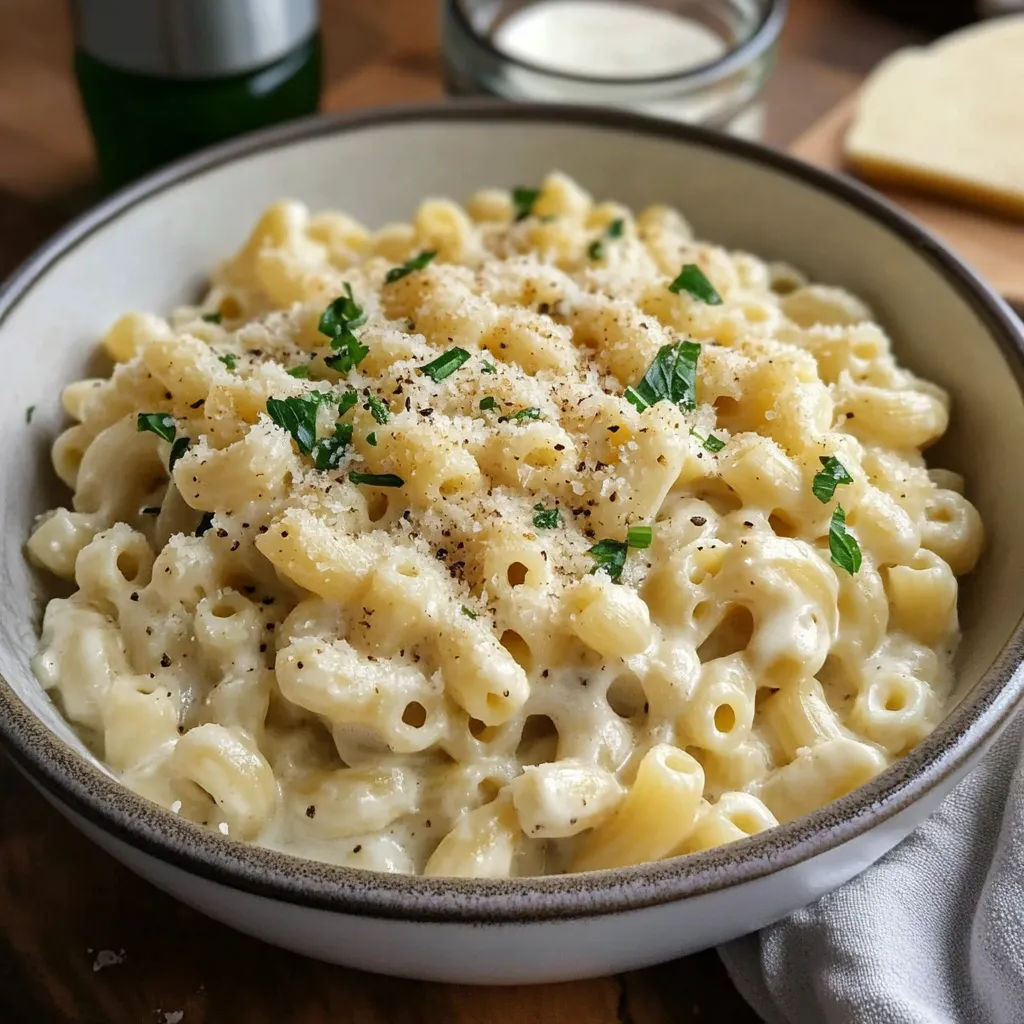
How to Make Ditalini Pasta
The key to this recipe is constant stirring and adding liquid as needed. Think of it like a very quick risotto—you’re building a creamy sauce through technique rather than adding a separate sauce.
Build the garlic base. Heat the olive oil in a large, deep skillet or sauté pan over medium-high heat. Add the garlic paste (or minced fresh garlic) and cook for about 30 seconds to 1 minute, stirring constantly. You want it fragrant and just starting to turn golden, but watch carefully because garlic burns quickly and turns bitter. The moment it smells amazing, you’re ready for the next step.
Toast the pasta. Add the dry ditalini pasta directly to the garlicky oil. Stir it around for about a minute, coating every piece in that garlic-infused oil. Toasting the pasta like this adds a subtle nutty flavor and helps it absorb the liquid more evenly. You’ll hear it sizzling slightly—that’s good.
Add the broth and simmer. Pour in the 2 cups of chicken broth and the quarter teaspoon of salt. The liquid should just barely cover the pasta. Bring it to a boil, then reduce to a steady simmer. This is where the magic happens—don’t walk away.
Stir frequently. Cook for 8-10 minutes, stirring every minute or so. As the pasta cooks, it releases starch into the broth, creating a creamy consistency. The frequent stirring prevents sticking and helps distribute that starch evenly. If the liquid gets absorbed before the pasta is al dente, add more broth a quarter cup at a time. You want most of the liquid absorbed by the end, but not completely dry—there should still be a bit of saucy liquid coating the pasta.
Check for doneness. After 8 minutes, taste a piece of pasta. It should be al dente—cooked through but still with a slight bite. If it’s too firm, add a splash more broth and cook for another minute or two. If it’s perfect, turn off the heat.
Finish with dairy and cheese. Working quickly while the pasta is still hot, add the heavy cream, butter, and grated Parmesan cheese. Stir vigorously for about 30 seconds. The residual heat will melt the butter and cheese, and the combination of starch, cream, and cheese will emulsify into a glossy, coating sauce. The more you stir, the creamier it gets.
Season and serve. Taste and adjust seasoning with additional salt and black pepper as needed. The sauce will continue to thicken as it sits, so serve immediately. Garnish with minced fresh parsley for color and a fresh herbal note.
Pro tip: If your sauce seems too thick, stir in a tablespoon or two of pasta water (if you have any left) or additional broth to loosen it. If it’s too thin, let it sit for a minute—the pasta will continue absorbing liquid as it rests.
Common mistake to avoid: Don’t add all the finishing ingredients at once and then walk away. The emulsification happens through active stirring while everything is hot. If you let it sit, the cheese can clump and the sauce won’t come together properly.
What to Serve with Ditalini Pasta
This creamy pasta works as both a side dish and a main course depending on what you pair it with and whether you add protein directly to the pasta.
Grilled Chicken: Simple grilled chicken breasts or thighs seasoned with herbs pair perfectly. The lean protein complements the rich pasta without making the meal too heavy.
Pan-Seared Salmon: A crispy-skinned salmon fillet adds healthy fats and makes this feel like a special occasion dinner. The richness of the salmon works beautifully with the garlic butter pasta.
Italian Sausage: Slice cooked Italian sausage and either mix it into the pasta or serve it alongside. The fennel and spice in the sausage complement the garlic and parmesan.
Simple Side Salad: A crisp green salad with lemon vinaigrette cuts through the richness of the pasta. Keep it simple with mixed greens, cherry tomatoes, and cucumber.
Roasted Vegetables: Roast broccoli, asparagus, or green beans with olive oil and garlic. The slight char and crisp-tender texture contrast nicely with the creamy pasta.
Garlic Bread: Lean into the garlic theme with crusty garlic bread for mopping up any extra sauce. Toast thick slices brushed with garlic butter until golden.
Caprese Salad: Fresh mozzarella, ripe tomatoes, and basil with balsamic glaze provides freshness and acidity to balance the dish.
Pro Tips & Variations
Make it a complete meal: Stir in cooked chicken, shrimp, or crispy bacon directly into the finished pasta. Add frozen peas, spinach, or sun-dried tomatoes for vegetables. This transforms it from a side into a full dinner.
Boost the flavor: Add a pinch of red pepper flakes with the garlic for heat. Stir in fresh or dried herbs like basil, oregano, or thyme. A squeeze of lemon juice at the end brightens everything.
Different cheeses: Mix in some mozzarella for extra creaminess, or use pecorino Romano instead of Parmesan for a sharper, saltier flavor. Gruyere adds a nutty richness.
Make it vegetarian: Use vegetable broth instead of chicken broth. Everything else stays the same.
Add wine: Deglaze the pan with a quarter cup of white wine after toasting the pasta, let it reduce slightly, then add the broth. This adds complexity and acidity.
Mushroom variation: Sauté sliced mushrooms with the garlic before adding the pasta. They add earthiness and make it more substantial.
Lighter version: Use half-and-half instead of heavy cream and reduce the butter to 1 tablespoon. It won’t be quite as rich but still delicious.
Meal prep consideration: This pasta is best served immediately, but leftovers can be revived. Store in the fridge for up to 3 days and reheat with a splash of broth or cream to loosen the sauce.
Storage & Reheating Tips
Store leftover ditalini pasta in an airtight container in the refrigerator for up to 3 days. The sauce will thicken considerably as it cools because the pasta continues absorbing liquid and the starches set up.
For reheating on the stovetop, place the pasta in a skillet over medium-low heat. Add a few tablespoons of chicken broth, water, or cream and stir constantly as it warms. The liquid helps recreate that creamy consistency. Heat until warmed through, about 5 minutes.
Microwave reheating works for individual portions. Place pasta in a microwave-safe bowl, add a tablespoon of liquid, cover with a damp paper towel, and heat in 30-second intervals at 70% power, stirring between each interval.
This pasta doesn’t freeze particularly well because the cream-based sauce can separate and become grainy after thawing. The texture of the pasta also changes. If you want to prep ahead, make the recipe fresh—it only takes 15 minutes anyway.
If you’re planning to have leftovers, slightly undercook the pasta by a minute and keep the sauce a bit looser than you want. This gives you room for the pasta to continue absorbing liquid as it sits and makes reheating easier.
Common Questions
Can I use a different type of pasta? Yes, though cooking times will vary. Small shells, orzo, or elbow macaroni work well. Larger pasta shapes might need more liquid and longer cooking times. The key is using a small pasta that cooks quickly and has lots of surface area to release starch.
What if I don’t have heavy cream? Half-and-half will work but the sauce won’t be quite as rich. In a pinch, whole milk with an extra tablespoon of butter can substitute, though it’ll be lighter and less creamy.
Can I make this dairy-free? It’s challenging because the cream and cheese are central to the sauce. You could try coconut cream and nutritional yeast, but the flavor and texture will be significantly different.
Why is my pasta mushy? You either cooked it too long or used too much liquid. Keep tasting after 8 minutes and remove from heat as soon as it reaches al dente. The pasta will continue cooking slightly in the residual heat.
Can I make this gluten-free? Use gluten-free pasta, but note that it may not release starch the same way, so your sauce might not get as creamy. You may need to add a bit more cream or a teaspoon of cornstarch mixed with water to achieve the right consistency.
This viral ditalini pasta lives up to the hype because it delivers maximum flavor with minimal effort and time. The creamy, garlicky sauce and tender pasta create pure comfort food that works for busy weeknights or when you’re craving something indulgent. Give this a try next time you need dinner fast—it’s the kind of recipe that becomes a regular in your rotation once you discover how easy it is.
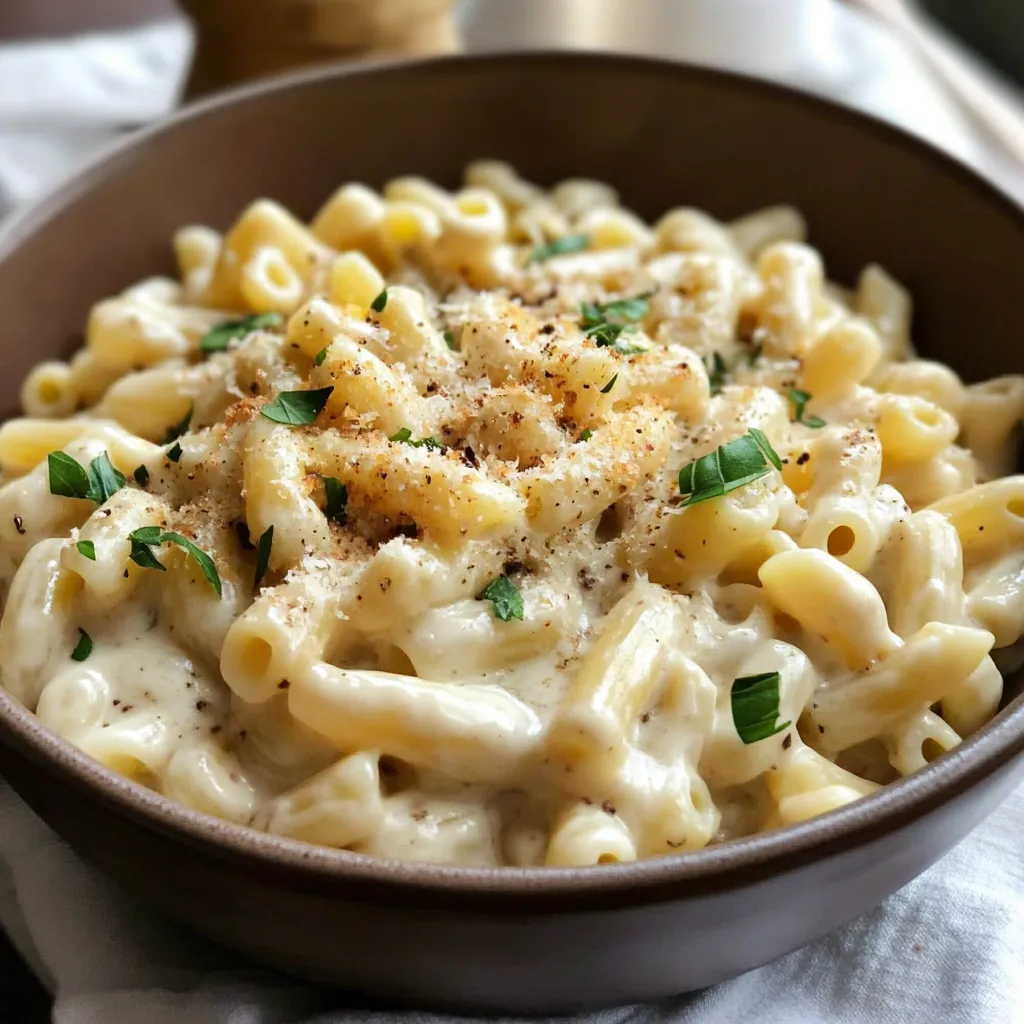
Viral Creamy Garlic Butter Ditalini Pasta
Ingredients
Equipment
Method
- Heat olive oil in a large deep skillet over medium-high heat. Add garlic paste (or minced fresh garlic) and cook for 30 seconds to 1 minute, stirring constantly, until fragrant and just beginning to turn golden. Don’t let it burn.
- Add the dry ditalini pasta to the skillet and stir for about 1 minute to coat it in the garlic oil and lightly toast it.
- Pour in 2 cups of chicken broth and add the 1/4 teaspoon of salt. The liquid should just barely cover the pasta. Bring to a boil, then reduce to a steady simmer.
- Cook for 8-10 minutes, stirring frequently (about every minute). The pasta will release starch and absorb the broth, creating a creamy consistency. If the liquid is absorbed before the pasta reaches al dente, add more broth 1/4 cup at a time.
- When most of the liquid is absorbed and the pasta is al dente, turn off the heat. There should still be a bit of saucy liquid coating the pasta.
- Immediately add the heavy cream, butter, and grated Parmesan cheese. Stir vigorously for about 30 seconds until the butter and cheese melt and everything emulsifies into a glossy, creamy sauce.
- Taste and adjust seasoning with additional salt and black pepper as needed. If the sauce seems too thick, stir in a tablespoon or two of broth to loosen it.
- Serve immediately, garnished with minced fresh parsley. The sauce thickens quickly as it cools.