Decoding the Cabbage Conundrum: A Matter of Maillard and Moisture
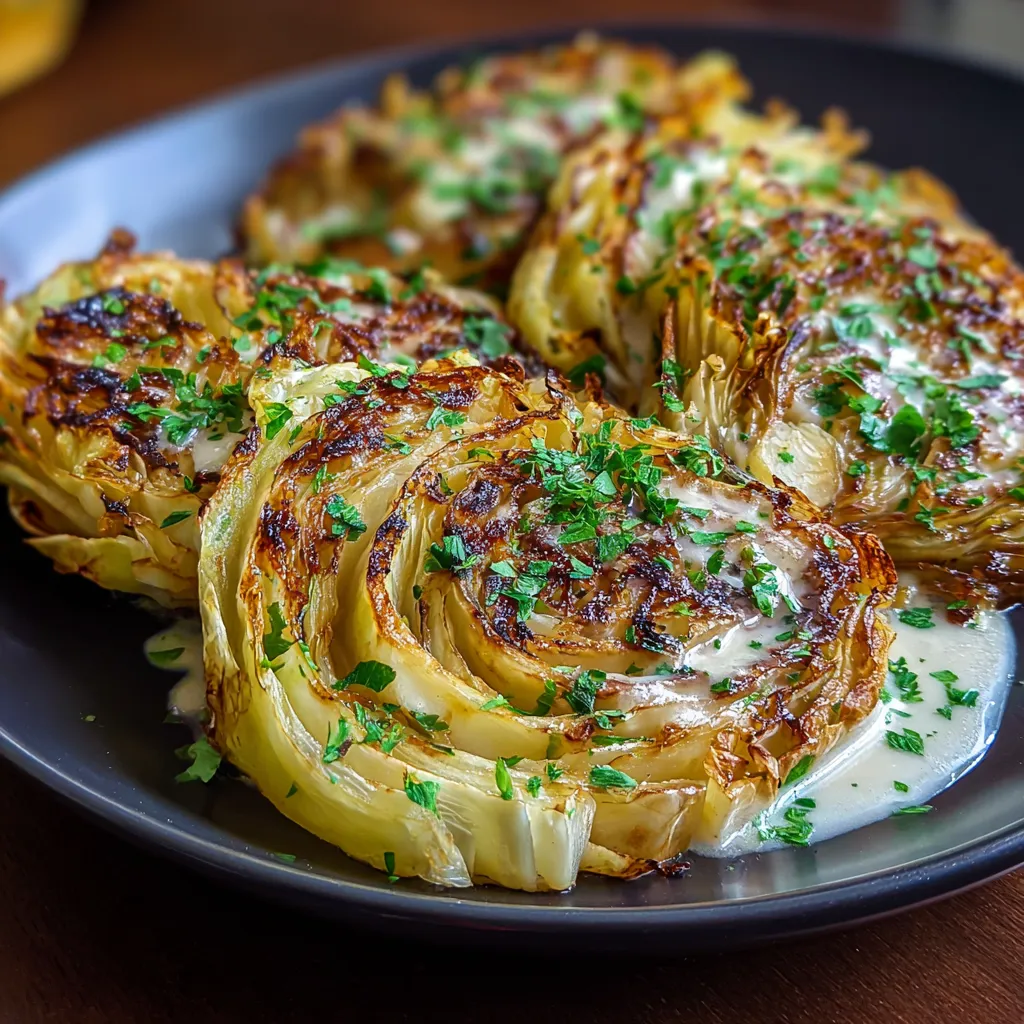 The key to transforming cabbage into a culinary star lies in understanding a few fundamental scientific principles: the Maillard reaction, moisture control, and the importance of even heat distribution. The Maillard reaction, that beautiful browning process that creates complex flavors, thrives in a relatively dry environment with high heat. Cabbage, by its very nature, is full of water. Our challenge, therefore, is to coax out that moisture, allow the sugars to caramelize, and the edges to crisp. Even heat distribution is crucial; we don’t want burnt edges and a soggy center. Think of it like this: we’re aiming for the same principles that make Oven-baked Crispy Parmesan Chicken so irresistible, just applied to a vegetable. The Parmesan cheese also plays a critical role, adding salty, umami richness and aiding in the browning process.
The Ultimate Garlic Parmesan Cabbage Steaks Recipe
Here’s a recipe that, after much experimentation, consistently delivers tender-crisp, flavorful cabbage steaks that will change the way you think about this often-underappreciated vegetable.Yields
Serves 2-4Prep Time
10 minutesCook Time
25-30 minutesIngredients
- 1 medium head of green cabbage
- 4 tablespoons olive oil, divided
- 4 cloves garlic, minced
- 1/4 cup grated Parmesan cheese, plus more for topping
- 1 teaspoon dried Italian herbs
- 1/2 teaspoon salt
- 1/4 teaspoon black pepper
- Optional: Red pepper flakes, for a touch of heat
Equipment
- Large cutting board
- Sharp knife
- Large skillet (cast iron preferred) or baking sheet
- Small bowl
Instructions
- Prepare the Cabbage: Preheat oven to 400°F (200°C). Remove any outer leaves of the cabbage that are damaged or wilted. Place the cabbage on its stem end and, using a large, sharp knife, cut downward through the core to create approximately 1-inch thick “steaks.” You should get 2-4 steaks from a medium head, depending on its size. The outer pieces will likely fall apart, don’t worry, you can still roast those!
- Make the Garlic Parmesan Mixture: In a small bowl, combine 2 tablespoons of olive oil, minced garlic, Parmesan cheese, Italian herbs, salt, pepper, and red pepper flakes (if using). Mix well. This aromatic blend is like the secret weapon in Garlic Parmesan Spaghetti, but for cabbage!
- Season the Cabbage: Brush both sides of each cabbage steak with the remaining 2 tablespoons of olive oil. Then, generously spread the garlic Parmesan mixture over the top of each steak.
- Cook the Cabbage Steaks: You have two cooking options:
- Skillet Method (Preferred for Crispier Edges): Heat a large, oven-safe skillet (cast iron is ideal) over medium-high heat. Carefully place the cabbage steaks in the hot skillet and sear for 2-3 minutes per side, until nicely browned. Then, transfer the skillet to the preheated oven and bake for 15-20 minutes, or until the cabbage is tender and the Parmesan is melted and golden brown.
- Baking Sheet Method (For Easier Cleanup): Line a baking sheet with parchment paper. Place the cabbage steaks on the baking sheet and bake in the preheated oven for 20-25 minutes, or until the cabbage is tender and the Parmesan is melted and golden brown.
- Serve: Remove the cabbage steaks from the oven (or skillet). Sprinkle with additional Parmesan cheese, if desired. Let cool slightly before serving. Serve as a side dish or a light main course. Consider serving alongside some Sheet Pan Sausage Veggies for a complete meal.
My Cabbage Steak Odyssey: From Soggy Disasters to Crispy Perfection
Like many of you, I initially thought cabbage was… well, boring. My first few attempts at making cabbage steaks were a disaster. They were either burnt on the outside and raw on the inside, or uniformly soggy and flavorless. But I’m a food scientist at heart, and I don’t give up easily. I embarked on a mission to unlock the secrets of the perfect cabbage steak.The Soggy Bottom Blues
My first challenge was the moisture. Cabbage is mostly water, and if you don’t address that, you end up with a steamed, rather than seared, vegetable. I tried salting the cabbage beforehand to draw out moisture, but that just made it limp and sad.The Maillard Moment
Then, I had an “Aha!” moment. I realized I needed to create an environment where the Maillard reaction could thrive. That meant high heat and minimal moisture. Searing the cabbage steaks in a hot skillet *before* baking them made a world of difference. It created a beautiful crust and helped to evaporate some of the excess water.Parmesan Power
The Parmesan cheese was another game-changer. Not only did it add flavor, but it also helped to create a crispy, golden-brown topping. I experimented with different types of Parmesan, and I found that freshly grated Parmesan worked best. The pre-shredded stuff just didn’t melt as nicely. It’s like using fresh mozzarella for Eggplant Parmesan versus the pre-shredded kind – a world of difference!The Garlic Infusion
And of course, the garlic! A generous dose of minced garlic infused the cabbage with a wonderful aroma and flavor. I tried adding the garlic at different stages of the cooking process, and I found that sautéing it briefly in olive oil before adding the Parmesan cheese created the best flavor.The Foolproof Cabbage Steak Technique: A Step-by-Step Guide to Success
After countless experiments, I’ve distilled the process down to a simple, foolproof technique. Follow these steps, and you’ll be on your way to cabbage steak nirvana.- Choose the Right Cabbage: Select a firm, heavy head of green cabbage. Avoid cabbages that are soft or have yellowed leaves.
- Cut Thick Steaks: Cut the cabbage into approximately 1-inch thick steaks. This allows the cabbage to cook evenly and prevents it from becoming too soggy.
- Sear First, Bake Second (Recommended): Searing the cabbage steaks in a hot skillet before baking creates a beautiful crust and helps to evaporate excess moisture. If you skip this step, the cabbage may be less crispy.
- Don’t Skimp on the Parmesan: Use a generous amount of freshly grated Parmesan cheese. It adds flavor, helps to create a crispy topping, and enhances the Maillard reaction.
- Monitor the Cooking Time: The cooking time will vary depending on the size and thickness of the cabbage steaks. Check for doneness by piercing the cabbage with a fork. It should be tender but not mushy.
- Experiment with Flavors: Feel free to experiment with different herbs and spices. Smoked paprika, chili powder, or even a drizzle of balsamic vinegar can add a unique twist to your cabbage steaks.
What is the key to making delicious garlic parmesan cabbage steaks?
The key lies in understanding the Maillard reaction, controlling moisture, and ensuring even heat distribution. Searing the cabbage before baking and using Parmesan cheese are also crucial.
Why is it recommended to sear the cabbage steaks in a skillet before baking?
Searing the cabbage steaks in a hot skillet helps to create a beautiful crust and evaporate excess moisture, leading to a less soggy and more flavorful result. It promotes the Maillard reaction.
Can I use pre-shredded Parmesan cheese for this recipe?
While you can, the recipe suggests using freshly grated Parmesan cheese for the best results. Pre-shredded Parmesan doesn’t melt as nicely and may not create as crispy a topping.
How thick should I cut the cabbage steaks?
You should cut the cabbage into approximately 1-inch thick steaks. This allows the cabbage to cook evenly and prevents it from becoming too soggy.
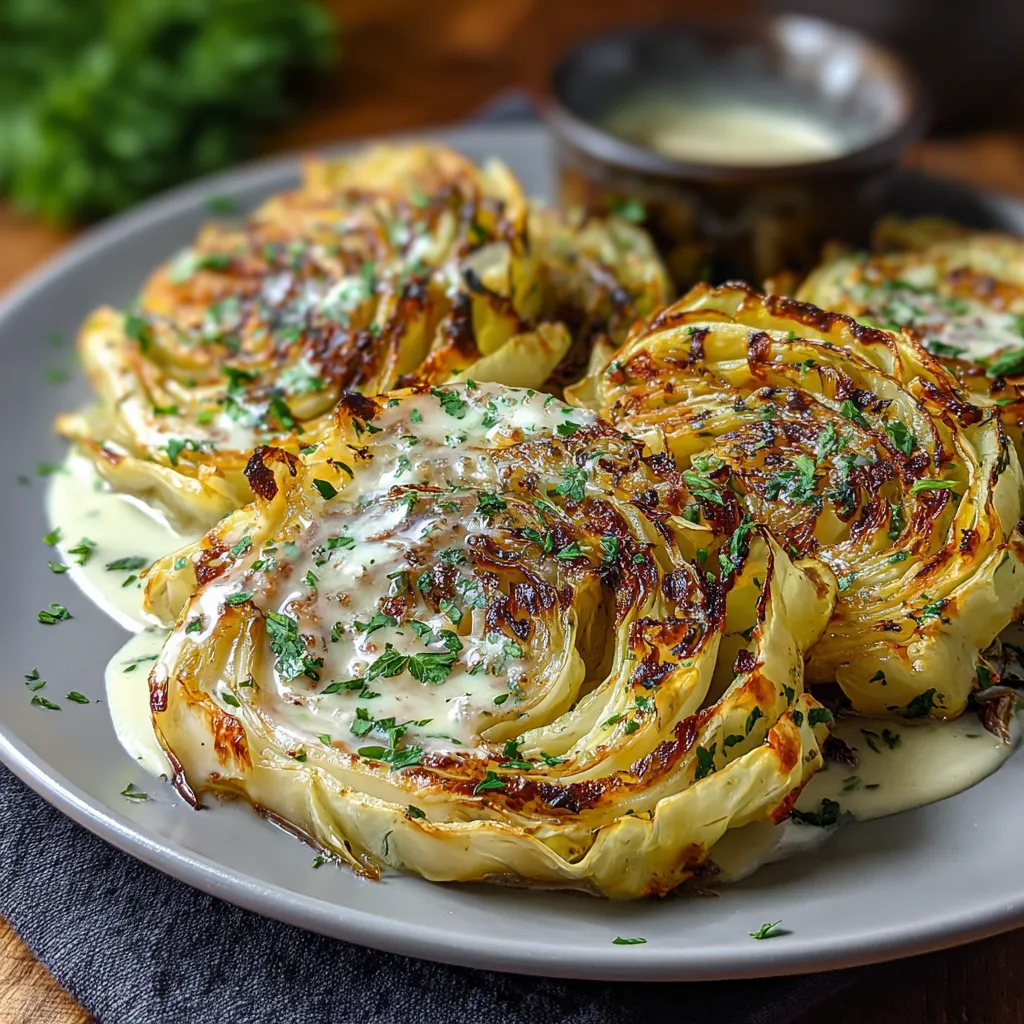
Garlic Parmesan Cabbage Steaks
Transform humble cabbage into a crave-worthy dish with this amazing recipe. Thick cabbage steaks are seared or baked with a flavorful garlic Parmesan topping, resulting in tender-crisp perfection that will change the way you think about cabbage.
Ingredients
Equipment
Method
- Preheat oven to 400°F (200°C). Remove any outer leaves of the cabbage that are damaged or wilted.
- Place the cabbage on its stem end and, using a large, sharp knife, cut downward through the core to create approximately 1-inch thick “steaks.”
- In a small bowl, combine 2 tablespoons of olive oil, minced garlic, Parmesan cheese, Italian herbs, salt, pepper, and red pepper flakes (if using). Mix well.
- Brush both sides of each cabbage steak with the remaining 2 tablespoons of olive oil.
- Generously spread the garlic Parmesan mixture over the top of each steak.
- Skillet Method (Preferred for Crispier Edges): Heat a large, oven-safe skillet (cast iron is ideal) over medium-high heat. Carefully place the cabbage steaks in the hot skillet and sear for 2-3 minutes per side, until nicely browned. Then, transfer the skillet to the preheated oven and bake for 15-20 minutes, or until the cabbage is tender and the Parmesan is melted and golden brown.
- Baking Sheet Method (For Easier Cleanup): Line a baking sheet with parchment paper. Place the cabbage steaks on the baking sheet and bake in the preheated oven for 20-25 minutes, or until the cabbage is tender and the Parmesan is melted and golden brown.
- Remove the cabbage steaks from the oven (or skillet).
- Sprinkle with additional Parmesan cheese, if desired.
- Let cool slightly before serving. Serve as a side dish or a light main course.
Notes
For best results, use freshly grated Parmesan cheese. Searing the cabbage steaks before baking creates a crispier texture. Experiment with different herbs and spices to customize the flavor. Store leftover cabbage steaks in an airtight container in the refrigerator for up to 3 days. Reheat in the oven or skillet for best results.